
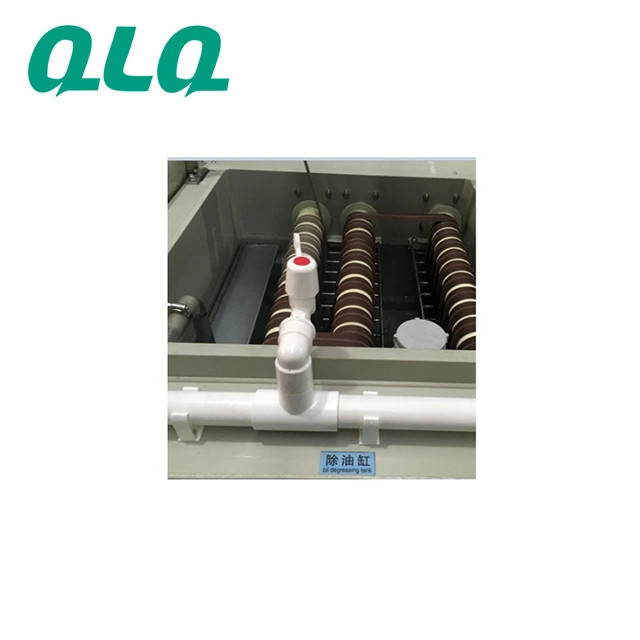
Anodizing film grows from the bath, and the junior controls racking, temperature and time. Get those right and the film holds colour and corrosion.
This guide is the junior-level standard for anodizing aluminium hardware.
Common Mistakes and How to Avoid Them
The pitfalls that show up most often in real projects, with the cause and the practical fix.
| Mistake | Why It Happens | Practical Fix |
|---|---|---|
| 1. Agitation weak | Hot spots and milky film | Verify per shift |
| 2. Dye temperature drift | Shade shifts | Hold dye temperature |
| 3. Rack contact corrosion | Uneven film | Clean contacts |
| 4. Seal bath exhausted | Bleed returns | Titrate or replace |
| 5. No film map | Defects unlocated | Map the rack |
| 6. No retention sample | Disputes | Keep samples |
| 7. Skipping the standard checklist | Steps skipped, quality varies | Follow the anodizing checklist every time |
| 8. Guessing instead of asking | Faults compound silently | Ask the senior before guessing |
| 9. No shift log | History lost at hand-over | Log readings, actions and faults |
Best Practices That Hold Up in Production
The operating disciplines that separate a reliable line from a reactive one.
- Verify agitation
- Hold dye temperature
- Clean rack contacts
- Map film across the rack
- Follow the standard checklist
- Log every shift and ask early
Implementation Roadmap
A practical sequence that can be adapted to your own project.
Process Flowchart
Junior anodizing routine
A step-by-step sequence with notes and cautions so every shift follows the same order.
- Film drives colour and corrosion.
- Sealing is part of the film.
- Acid baths need PPE.
- Tank gases need ventilation.
Working Data & Formula Notes
Working data - junior anodizing
Reference values from QLQ anodizing practice.
| Component / Parameter | Working Value / Role | What Changes Mean (annotation) |
|---|---|---|
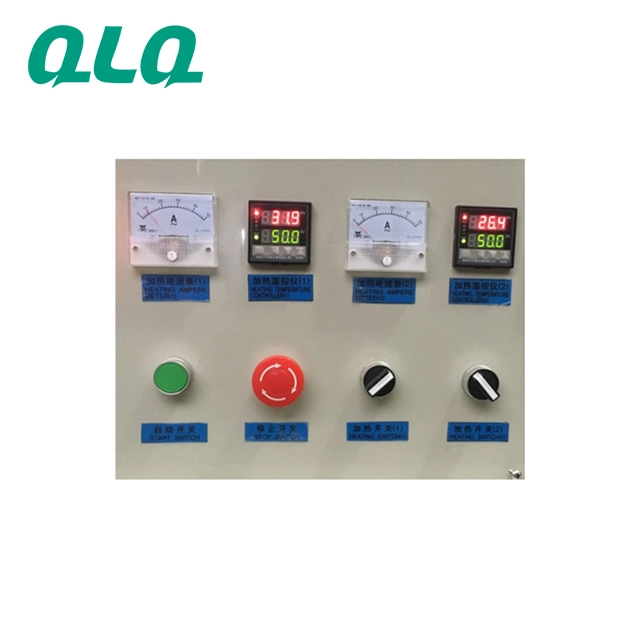
| Bath | 15-20% H2SO4, 18-22 C | Film density and clarity. |
| Current | 1.0-1.5 A/dm2 | Growth rate and burn risk. |
| Film | 8-25 um | Colour depth and corrosion. |
| Seal | Per spec | Dye bleed and corrosion follow it. |
| Rinse | Counterflow | Drag-in control. |
Reference Data
Specifications and references cited in this guide. Confirm final parameters with your line supplier.
Anodizing QC
| Film | First articles | 8-25 um |
| Shade | Per batch | vs master |
| Seal | Per batch | Dye test |
| Bath | Per shift | Temperature and acid |
Implementation Cases
Case 1 - milky film from a warm bath
Situation. Film turned milky on a hot day.
Approach. The bath was cooled to the window.
Outcome. Film clarity returned.
Case 2 - dye bleed from a skipped seal
Situation. Dye bled after shipping.
Approach. Sealing was restored per spec.
Outcome. Bleed stopped.
Frequently Asked Questions
What bath should I run?
Sulphuric 15-20% at 18-22 C for Type II.
Why does film turn milky?
The bath is too warm. Hold the window.
How do I set current?
1.0-1.5 A/dm2 from loaded surface area.
What film should I run?
8-25 um for decorative hardware.
Why seal?
Unsealed film bleeds dye and corrodes.
Why clean rinses?
Drag-in poisons the dye.
What do I gate?
Film, shade and seal on first articles.
What do I log?
Bath, current, time, dye and seal.
What Would You Like to Solve?
Rack clean, hold the bath, control the current and seal every batch. The junior who follows the anodize card keeps the film honest.
Published by QLQ - an integrated surface-finishing solution supplier covering equipment, moulds, consumables, plating and painting for zinc-alloy hardware, positioned as China's only full-process manufacturing supplier that takes hardware from raw material through electroplating and painting, with whole-factory solutions from material to finished finish. Values cited are project references; confirm with your line supplier before specification.