
Professional Zinc Alloy Surface Finishing Solutions
Citric Acid
Citric Acid
Generează cod QR
-
Estimated Delivery:Oct 02 - Oct 06
-
Free Shipping & Returns: On all orders over $75
Product description
Shipping & Return
Product Overview
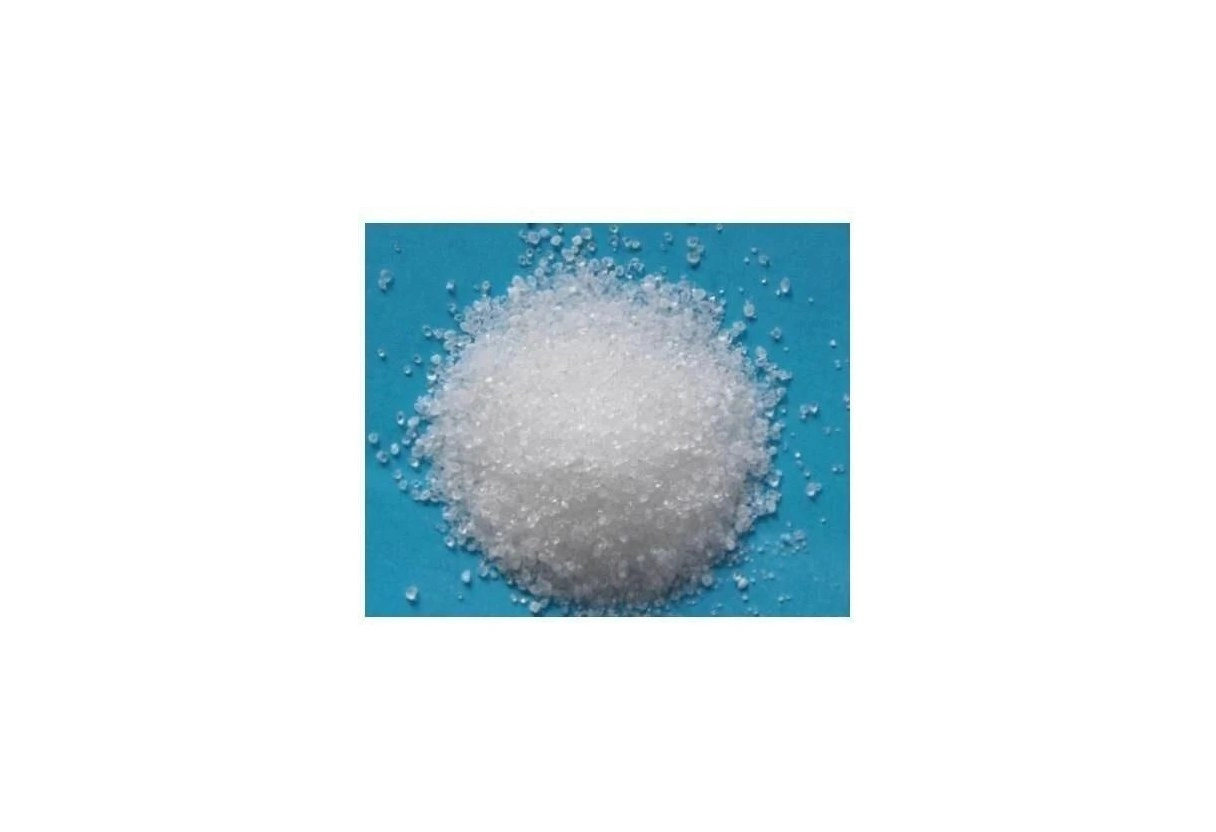
Citric Acid (C6H8O7) is the most used organic acid in the finishing shop - the base of citric-acid passivation of stainless steel (a standard alternative to nitric acid under ASTM A967), a complexant for electroless nickel, and the active ingredient of countless acid cleaning, deoxidizing and descaling dips for copper, aluminium and steel. It is a white crystalline powder or granular salt, freely soluble in water, with a clean 1% solution pH of about 2.2. Its usefulness comes from being both an acid and a chelant: the acid dissolves oxide films while the citrate part complexes the dissolved iron and copper ions, so they rinse away instead of re-depositing as smut. Two physical forms exist - anhydrous and monohydrate - differing by about 9% in weight for the same acid content. Market grades are led by food-grade anhydrous (the world's largest production), while finishing shops buy the same salt certified as technical grade with controlled chloride, sulfate and metal limits; for passivation and electroless work the certificate matters more than the grade label.
Product Identity (Encyclopaedia Card)
| Property | Value |
|---|---|
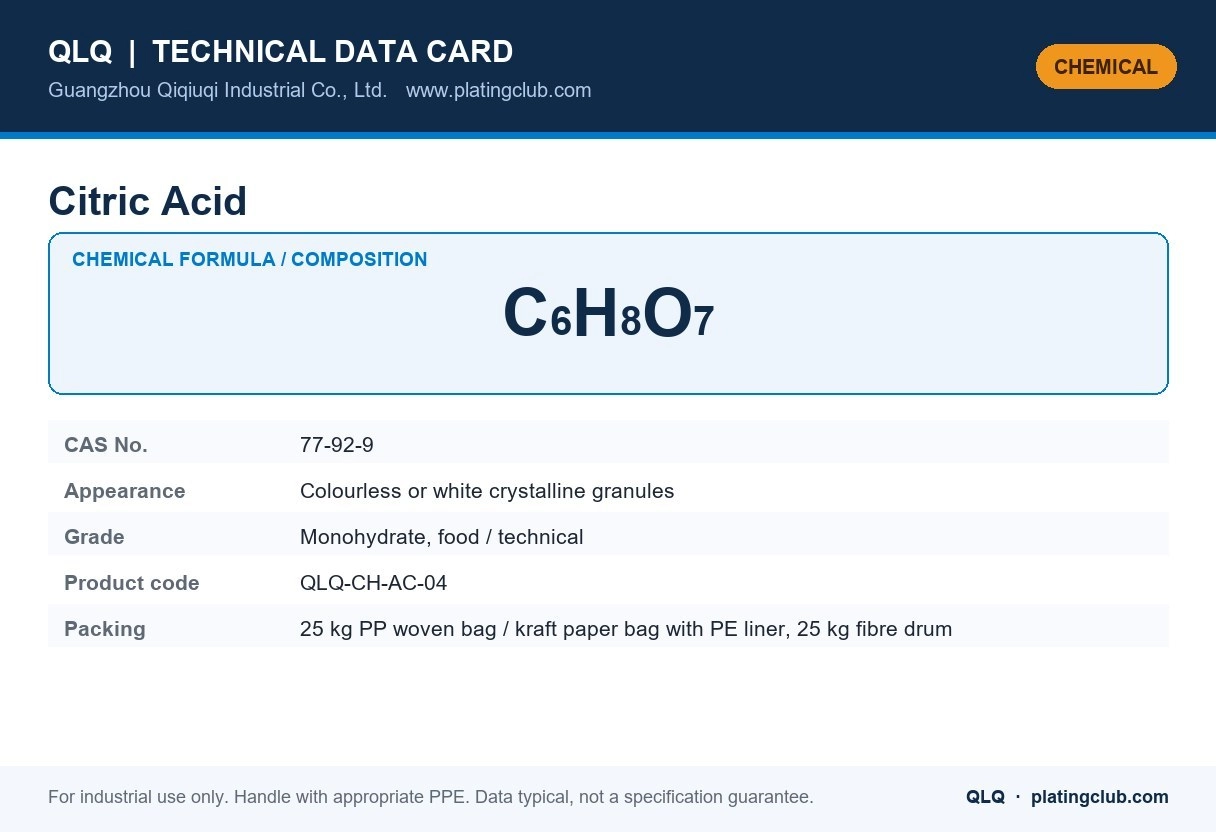
| Chemical name | Citric Acid |
| Chemical formula | C6H8O7 |
| CAS number | 77-92-9 |
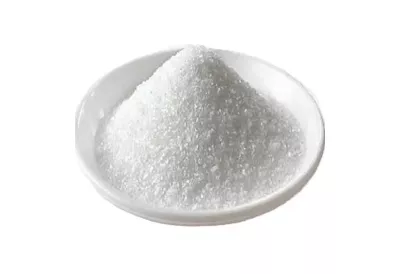
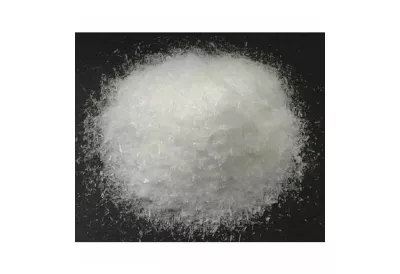
| Appearance | Colourless or white crystalline granules |
| Grade / type | Monohydrate, food / technical |
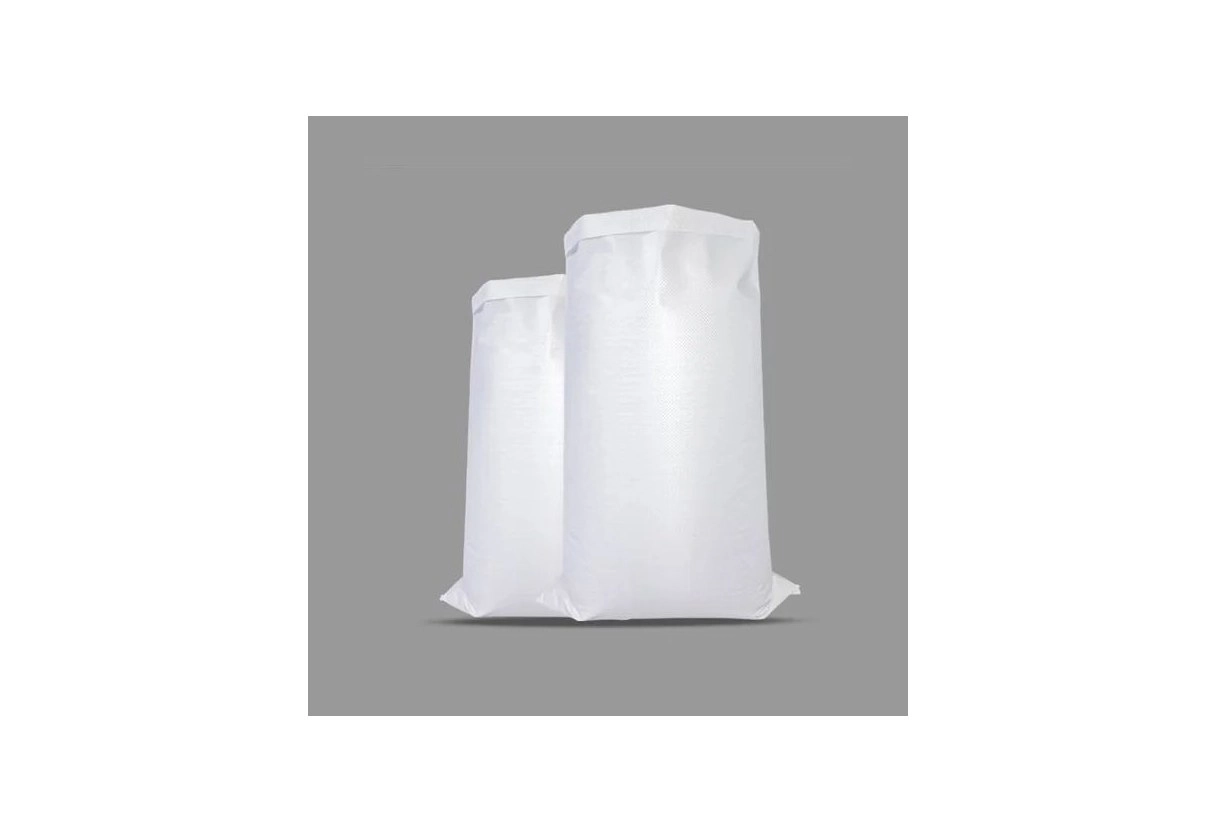
| Standard packing | 25 kg PP woven bag or kraft paper bag with PE inner liner; 25 kg fibre drum |
What it is and what it does. Citric acid is the base of citric acid passivation of stainless steel (a widely used alternative to nitric acid under ASTM A967) and the complexant of electroless nickel, as well as the active ingredient of countless acid cleaners.
- Colourless crystals, freely soluble; a 1% solution has a pH of about 2.2.
- Being both an acid and a chelant, it dissolves oxide films and complexes the dissolved iron so that it rinses away.
- Two forms exist - anhydrous and monohydrate - differing by about 9% in acid content per kilogram.
Typical Use in a Plating / Finishing Line
| Item | Typical guidance |
|---|---|
| Passivation of stainless steel | 4-10% w/w, 20-60 minutes at 50-60 C, followed by a thorough rinse |
| Electroless nickel complexant | As specified by the bath formulation |
| Cleaning and descaling | 5-15 g/L as required |
Safety, Handling & Storage
| Item | Requirement |
|---|---|
| Hazard classification | Irritant (GHS07) — causes serious eye irritation |
| Personal protective equipment | Safety goggles and acid-resistant gloves; dust mask when handling powder |
| Spill / first aid | Sweep up dry powder, or dilute and neutralise small liquid spills, then rinse to the effluent treatment system |
| Storage | Cool, dry, ventilated store; keep sealed against moisture, away from alkalis and oxidisers |
| Transport | Classified and packed according to IATA/IMDG for the hazard class; UN number and packing group stated on the shipping documents |
Quality Documents Shipped With Every Batch
| Document | Comment |
|---|---|
| COA (certificate of analysis) | Provided with the shipment; batch traceable to the production date |
| MSDS (safety data sheet) | Provided with the shipment; batch traceable to the production date |
| Packing list | Provided with the shipment; batch traceable to the production date |
| Commercial invoice | Provided with the shipment; batch traceable to the production date |
| Certificate of origin on request | Provided with the shipment; batch traceable to the production date |
Buyer Questions We Answer Every Week
| Question | Answer |
|---|---|
| Does passivation need a nitric acid step after the citric acid? | For many stainless grades the citric process is self-contained; confirm against the drawing or the customer specification. |
| Is the monohydrate or anhydrous better for passivation? | Either can be used; the make-up weight changes with the form, so state which you hold when ordering. |
| Item | Typical Value |
|---|---|
| Chemical formula | C6H8O7 (anhydrous) / C6H8O7·H2O (monohydrate) |
| Assay | 99.5-100.5% (anhydrous basis) |
| Appearance | White crystalline powder, odourless |
| Solubility (20°C) | ~ 590 g/L in water |
| pH (1% solution) | ~ 2.2 |
| Chloride / Sulfate | ≤ 0.005% / ≤ 0.02% |
| Iron (Fe) | ≤ 0.001% |
| Heavy metals (as Pb) | ≤ 0.001% |
| Residue on ignition | ≤ 0.05% |
| Standard packing | 25KG woven bag with PE inner liner |
How to Check Quality Before Loading a Batch
| Check | Method | Pass Criteria |
|---|---|---|
| Appearance | Visual | White uniform crystals; yellow tint or dark specks = contamination |
| Solubility / clarity | Dissolve 100 g in 100 ml DI water | Clear, colourless solution; no residue |
| Assay | COA (alkalimetric titration) | ≥ 99.5%; reject below 99% |
| Chloride (passivation-critical) | Silver nitrate test on 10% solution | No heavy precipitate - chloride above spec can pit stainless during passivation |
| Passivation coupon test | Passivate two 304 coupons per ASTM A967 with new vs reference acid, then copper-sulfate free-iron test | No pink copper deposit on either coupon; reference match |
How QLQ controls it: chloride is the enemy in stainless passivation, so every lot is quarantined and chloride-verified against the COA before release, with a passivation coupon run on retained samples. Batch numbers are stored 12 months so a corrosion claim can be traced to the exact acid used.
How It Is Used (Passivation, Deoxidizing, Complexing)
Citric acid passivation works like the classic nitric treatment but milder: the acid dissolves embedded iron and iron oxide from the stainless surface, and the passive chromium oxide film re-forms in the oxidizing, iron-free environment. It is preferred where nitric acid is restricted, where fumes are a problem, or where the alloy is sensitive to nitric attack. In electroless nickel, citrate is the complexant that keeps nickel soluble at operating pH; in cleaning chemistry, citric acid lifts scale and oxide without the hazards of strong mineral acid fumes. Concentration, temperature and time all trade against each other - the table gives the working windows, and every passivation spec (ASTM A967, AMS 2700) states its own acceptance test.
| Application | Working data | Notes |
|---|---|---|
| Citric passivation of stainless (ASTM A967 types 2/3) | 4-10 wt% citric acid; 20-70°C (typical 50-60°C); 10-60 min; DI rinse | Higher temperature shortens time; verify with free-iron and salt-spray tests |
| Aluminium deoxidizing / desmut | Citric blends 10-50 g/L with inhibitors or mild acid, 20-40°C, 1-5 min | Removes oxide and smut before anodizing or conversion coating |
| Electroless nickel (citrate EN) | Citric/sodium citrate 10-30 g/L with NiSO4 25-35 g/L, NaH2PO2 25-30 g/L, pH 4.6-5.2, 85-90°C | Complexant + buffer; adjust pH with ammonia or caustic |
| Acid cleaning of copper / brass | Citric 30-100 g/L with inhibitor, 20-40°C, dip to clean | Complexes Cu2+ - no redeposited smut; use where nitric is banned |
| Descaling of tanks / heaters | 5-10% citric acid, warm, recirculate | Removes hard-water scale and iron oxide; rinse and passivate after |
Common Problems & Fixes (Workshop Table)
| Problem | Root cause | Fix |
|---|---|---|
| Free-iron test still pink after passivation | Time/temperature too low for the alloy grade, or bath loaded beyond capacity | Raise temperature to 60°C, extend time, reduce load; re-clean parts first |
| Rust spots appear days after passivation | Chloride in the citric acid or rinse water; incomplete removal of iron | Verify acid chloride spec; use DI final rinse; repeat with fresh solution |
| EN bath hazes or plates rough | Citrate level low for the nickel loading | Raise complexant to spec; check nickel; verify pH in window |
| Aluminium smut not clearing | Deoxidizer too weak or wrong alloy (high Si/Cu) | Raise citric dose, check temperature, use alloy-appropriate blend |
| Etched or cloudy copper after citric dip | No inhibitor, dwell too long, or bath too hot | Add inhibitor, shorten dip, keep below 40°C |
Handling & Safety
- Health: citric acid powder irritates eyes and airways; solutions are acidic. Gloves, goggles and a dust mask are adequate; rinse splashes promptly with water.
- Dissolving: dissolves freely in water; dissolution cools the solution slightly (endothermic) - use warm water for fast make-up of concentrated solutions.
- Storage: keep bags sealed and dry. The monohydrate can lose or gain moisture with humidity; weigh and verify assay if storage has been poor.
- Mixing: never mix concentrated citric acid with hypochlorite bleach - toxic chlorine gas is released. Keep acid and alkaline lines clearly separated.
- Effluent: citric acid is fully biodegradable and adds COD; neutralised citrate solutions are generally acceptable to sewer within local pH and load limits, but check complexed-metal discharge rules where citric rinses carry nickel or copper.
- Process note: passivation tanks need good ventilation when heated - steam and acid mist carry above 50°C; fit fume extraction on production passivation lines.
What It Does on Iron, Zinc Alloy, Copper and Stainless Steel Parts
| Substrate | How citric chemistry serves the part | Practice note |
|---|---|---|
| Iron / steel parts | Citric-inhibited dips remove rust and heat scale before plating or painting with minimal base-metal loss | Use inhibitor; rinse fast; dry or proceed to plating immediately |
| Zinc alloy die-castings | Mild citric pre-cleaners lift buffing soils without the vigorous etch of strong mineral acids that would attack zinc | Short dwell, neutral-to-mild acid pH, verify no grey haze on bright surfaces |
| Copper / brass | Acid-citric deoxidising restores clean bright surfaces before lacquer, plating or antique colouring | Complexed copper stays in solution - no immersion smut on the part |
| Stainless steel | The flagship use: citric passivation removes free iron and restores the passive film per ASTM A967 without nitric fumes | Control chloride in acid and water; run the free-iron test on every batch at start-up |
FAQ
| Question | Answer |
|---|---|
| Is citric passivation as good as nitric passivation? | For most austenitic and martensitic grades in the standard citric treatments, yes - ASTM A967 lists both. Citric is milder to the alloy, safer to handle and easier on effluent. Verify your specific alloy and spec with the free-iron and salt-spray acceptance tests. |
| Anhydrous or monohydrate - which should I order? | Same acid, different water of crystallisation: monohydrate is about 9% heavier per unit of acid. Order one form, dose consistently by assay, and store sealed - mixing forms without calculation drifts your concentrations. |
| Why does my stainless pit after citric passivation? | Chloride is the usual culprit - either in the citric acid (check COA), in the water, or dragged in from an earlier acid dip. Verify chloride at each input and use DI for the final rinse. |
| Does QLQ support passivation and electroless lines? | Yes - every shipment carries a COA, and QLQ engineers help customers in 10+ countries with passivation schedules, ASTM test routines and remote defect diagnosis. |
Passivation or bath trouble? Send QLQ your alloy grade, analysis values and test results - engineers return a written correction plan for your line. Contact us.
Shipping cost is based on weight. Just add products to your cart and use the Shipping Calculator to see the shipping price.We want you to be 100% satisfied with your purchase. Items can be returned or exchanged within 30 days of delivery.