

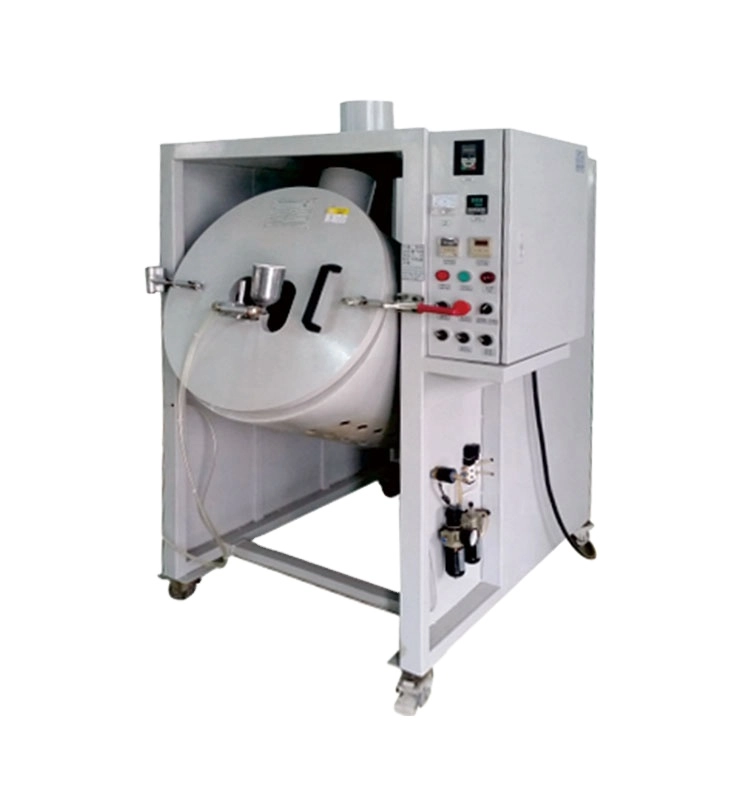
Twelve thousand zinc alloy bag slider frames were rejected in one order because every part carried two contact marks at the same points. The rack tips had not been dressed for six weeks and the springs were tightened far beyond their spec.
The rejection was traced in two days to tip condition and racking angle, not to the bath. This case study covers tip dressing frequency, spring tension and the orientation rules that keep contacts clean.
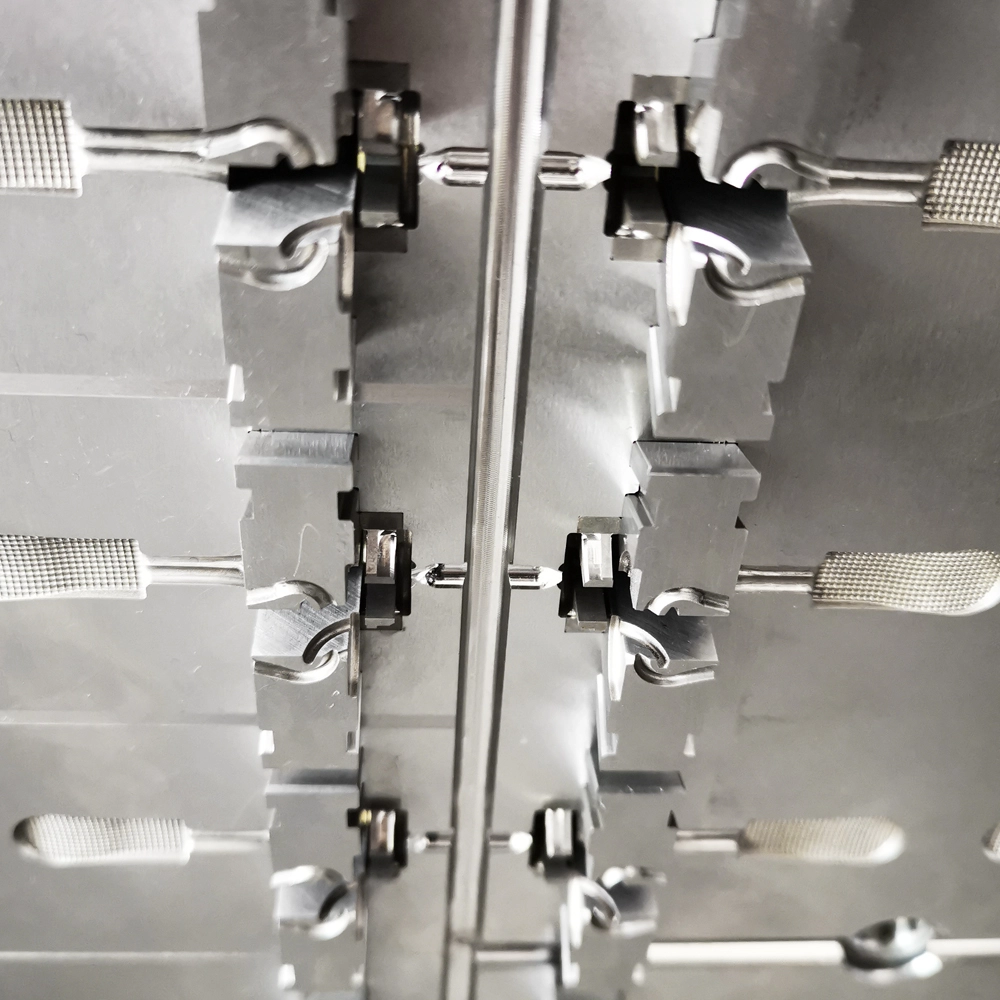
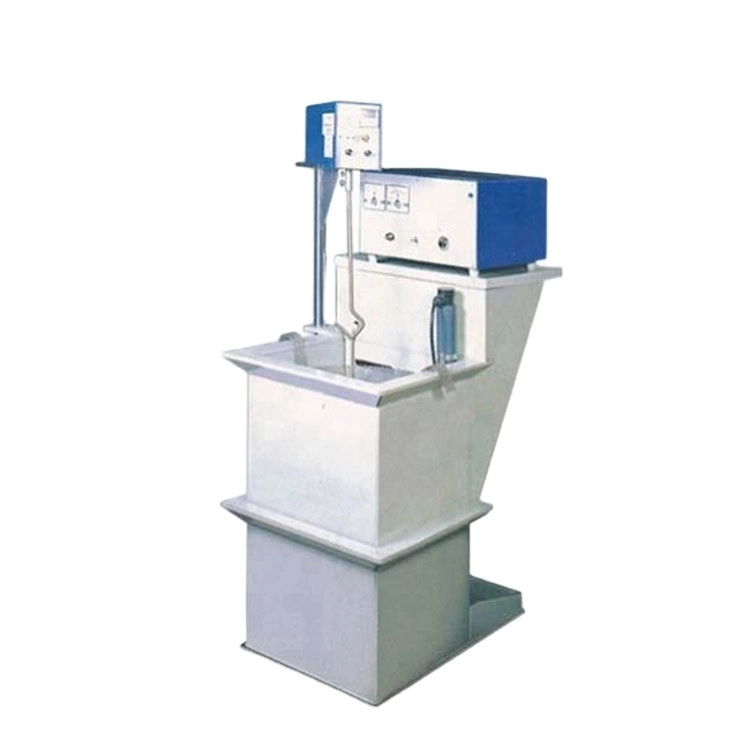
Common Mistakes and How to Avoid Them
| Mistake | Why It Happens | Practical Fix |
|---|---|---|
| 1. Tips never dressed | Deposit builds, marks parts | Dress per shift or per 3 racks |
| 2. Springs over-tightened | Tips bite into parts | Set tension per tip type |
| 3. Parts hung at wrong angle | Recesses screen and marks repeat | Follow the drawing orientation |
| 4. One contact point per part | Part moves and shadows | Use two points minimum |
| 5. No first-rack check | Fault repeats for the whole batch | Check the first rack before the line |
| 6. Worn tips kept in service | Marks worsen every cycle | Replace tips on the schedule |
| 7. Rack loaded unbalanced | Tilt breaks contact | Balance weight across the rack |
| 8. Contact marks ignored once | Pattern spreads to other racks | Stop and fix at the first mark |
| 9. No rack log | Same fault returns next order | Log tip condition per rack |
Best Practices
- Dress rack tips every shift or every three racks
- Set spring tension per tip type, not maximum
- Hang parts at the drawing orientation with two contacts
- Check the first rack before the line starts
- Replace worn tips on a fixed schedule
- Log tip condition and marks per rack
Implementation Roadmap
| Step | Frequency |
|---|---|
| Dress tips | Per shift or per 3 racks |
| Check springs | Per shift |
| Verify first rack | Before every line start |
| Log tip condition | Per rack, per day |
| Review mark record | Weekly |
Contact mark prevention flow
- Dress - Clean tips per shift or per 3 racks. (Dirty tips mark every part they touch.)
- Set - Spring tension per tip type. (Over-tight springs bite the part.)
- Hang - Drawing orientation, two contacts. (Wrong angle screens recesses.)
- Verify - First rack before the line. (An unchecked rack repeats all day.)
Contact marks are a maintenance and loading fault, not a bath fault. | The first rack check costs two minutes and saves a full order.
Rack contact data
Reference values for rack loading and tip care on zinc alloy hardware.
| Parameter | Reference | Why It Matters |
|---|---|---|
| Contact points | 2 per part minimum | One point shadows and moves |
| Tip dressing | Per shift or per 3 racks | Deposit build-up marks parts |
| Spring tension | Per tip type | Loose moves, tight marks |
| Current density | 1-4 A/dm² for zinc rack | Per bath and part |
| Racking angle | Recesses face the anode | Angle changes coverage |
| First rack | Check before line start | Cheap check, expensive batch |
| Tip replacement | On schedule or at first wear | Worn tips worsen every cycle |
Tip care schedule
| Task | Frequency | Sign of trouble |
|---|---|---|
| Dress tips | Per shift / 3 racks | Ridges or build-up |
| Check springs | Per shift | Loose or crushed |
| Replace tips | Per schedule | Wear grooves |
| Log marks | Per rack | Same position twice |
Orientation quick rules
| Feature | Rule | Why |
|---|---|---|
| Recess / cup | Face the anode | Current reaches inside |
| Flat face | Parallel to anode | Even distribution |
| Sharp edge | Away from anode | Avoids edge burn |
| Heavy side | Low on rack | Stable contact |
Case 1 - a 12,000-piece order rejected on contact marks
Scenario. A rack line plating zinc alloy bag slider frames rejected a full order of 12,000 pieces because two identical contact marks appeared on every part at the spring bite points.
Action. Investigation found tips undressed for six weeks and springs torqued past spec; tips were dressed, springs reset per type, and the first rack was verified before every line start.
Result.
Case 2 - worn springs marking brass handles in India
Scenario. A plant in India plating brass cabinet handles saw double marks on every third rack, always on the same tip positions where springs had lost their temper.
Action. The worn springs were replaced and the tip check moved from weekly to every shift, with a spring gauge added to the rack station.
Result.
Frequently Asked Questions
Why do contact marks appear on every part?
Deposit builds on undressed tips and over-tight springs bite into the part at the same points.
How often should I dress tips?
Every shift or every three racks on heavy lines; the deposit builds faster than expected.
How tight should springs be?
Per the tip type: tight enough to hold the part, loose enough not to mark it.
Why use two contact points?
One point lets the part move during agitation and shadows one side of the deposit.
What angle should parts hang at?
Recesses face the anode and flat faces stay parallel to it, per the part drawing.
Why check the first rack?
A loading or tip fault on the first rack repeats for the whole batch; the check is cheap.
Can I oil rack tips?
No - oil insulates the contact and starves the part of current.
What do I do at the first mark?
Stop, find the tip, fix it, and log it; one mark ignored becomes a full order rejected.
Who sets the tension spec?
The tip supplier's spec, applied by engineering and checked by the loader every shift.
What Would You Like to Solve?
Tell us your part drawings, rack types and the mark pattern you see, and we can help set the tip care schedule and racking angle rules for your line.