
A finishing factory is not a collection of machines; it is a process chain where each step inherits the defects of the one before. Die-casting flash becomes polishing cost, polishing residue becomes plating defects, plating porosity becomes lacquer failure. When every step comes from a different supplier, the factory owner becomes the unpaid integrator.
This guide explains the whole-factory model for zinc-alloy surface finishing - die-casting, polishing, cleaning, plating, painting, curing and testing supplied as one integration point - and why it reduces risk for owners and investors.

Common Mistakes and How to Avoid Them
The pitfalls that show up most often in real projects, with the cause and the practical fix.
| Mistake | Why It Happens | Practical Fix |
|---|---|---|
| 1. Buying from five suppliers | Blame games when quality fails | Reduce interfaces; one accountable integrator |
| 2. Mixing machine brands blindly | Compatibility problems at hand-off | Specify line-level integration, not isolated machines |
| 3. Chemistry from a different supplier than equipment | Support gaps on process issues | Align chemistry and equipment support |
| 4. Skipping the cleaning step in planning | Plating defects traced to washing | Include ultrasonic cleaning in the chain |
| 5. No drying in the chain | Stains and corrosion after plating | Add hot-wind drying |
| 6. Forgetting rectifier and filtration control | Quality depends on current and cleanliness | Specify rectifiers and filters with the tanks |
| 7. Undersized curing for painted parts | Adhesion fails under-cured | Match ovens to line speed and metal temperature |
| 8. No test station in the layout | Defects discovered by customers | Include Hull cell, XRF, salt spray and light booth |
| 9. Ignoring training | Good machines, wrong operation | Budget operator and maintenance training |
| 10. No spares plan | A small part stops a big line | Plan critical spares with the line |
Best Practices That Hold Up in Production
The operating disciplines that separate a reliable line from a reactive one.
- Design the chain from product to finish class, then equipment
- Keep one accountable integrator for equipment and chemistry
- Include cleaning and drying as first-class stations
- Plan testing into the layout, not as an office afterthought
- Align training and spares with line design
- Document the process chain per finish class
- Track yield at every hand-off, not only at the end
- Audit the chain quarterly with engineering
Implementation Roadmap
A practical sequence that can be adapted to your own project.
Working Data & Formula Notes
Working data - hand-off control points across the chain
Each control point prevents the next station from inheriting a defect; the annotations explain the failure each test catches.
| Component / Parameter | Working Value / Role | What Changes Mean (annotation) |
|---|---|---|
| After die-casting: flash and porosity check | Visual + section sample | Flash becomes polishing cost; porosity becomes plating defects later - catch it at the source. |
| After polishing: water-break on clean parts | 30 s continuous film | Wax and oil not removed here fail adhesion in plating. This single test predicts most plating rejects. |
| After plating: adhesion and thickness | Bend/cross-cut + XRF | Thin recesses decide corrosion; test edge, centre and recess. |
| After sealing: tarnish screen | Humidity test or salt spray | Sealer quality shows up here; a bad seal defeats the lacquer. |
| After painting: adhesion, MEK, colour | ISO 2409, 50 rubs, dE | Cure and ratio errors surface here, before packing. |
| Before packing: retention sample per lot | Archive 3-5 parts | Disputes months later need evidence; retention samples are the proof. |
Reference Data
Specifications and references cited in this guide. Confirm final parameters with your line supplier.
Whole-factory station map
| Die-casting | Hot-chamber die casting machines | Zinc-alloy parts from melt |
| Polishing | Dry/open/magnetic/centrifugal machines | Surface prep and deburring |
| Cleaning | Ultrasonic cleaning machine | Wax and oil removal |
| Plating | Barrels + rack plating machine | Cu/Ni/colour systems |
| Sealing | Protective sealer | Anti-tarnish base |
| Painting | Rack and cold painting machines | Colour and topcoats |
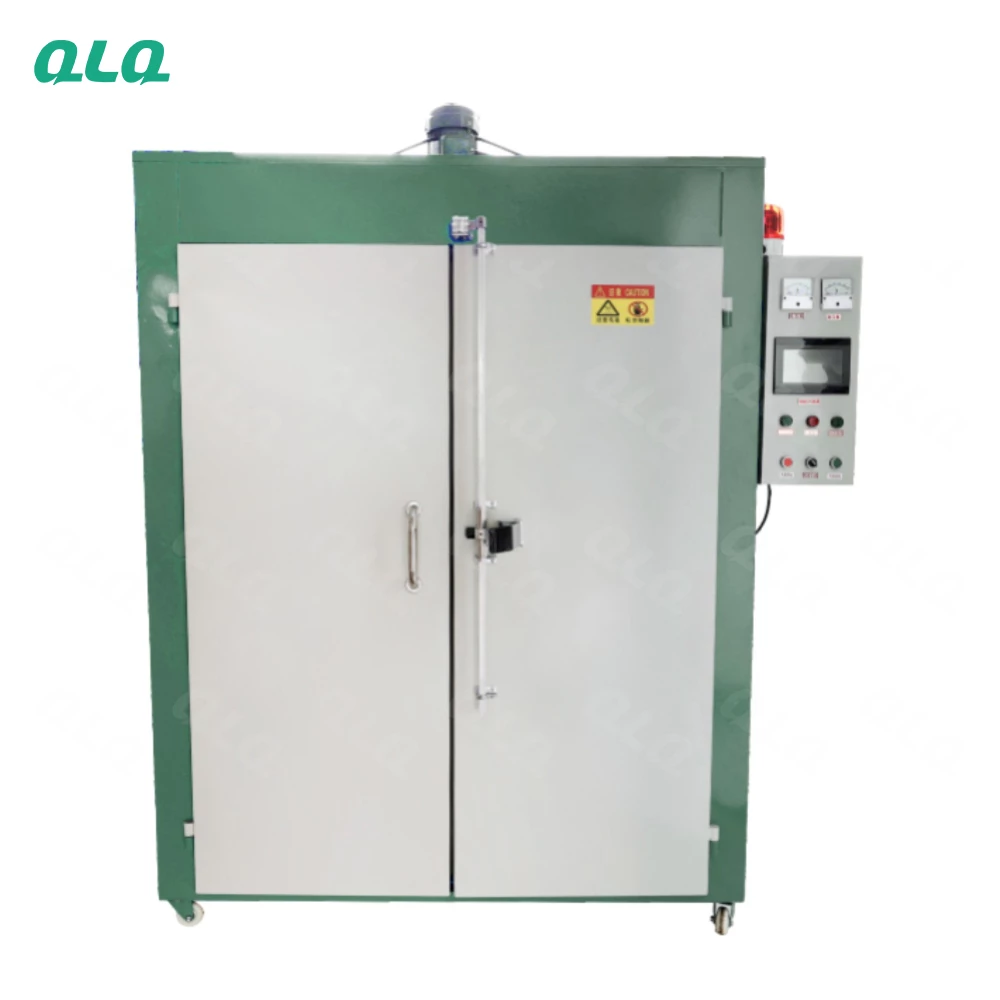
| Curing | Automatic ovens | Controlled cure |
| Drying | Hot-wind centrifugal dryer | Stain-free drying |
Controls and consumables in the chain
| Rectifiers | High-frequency 200-1000 A | Current control |
| Filtration | Corrosion-resistant filters | Bath cleanliness |
| Brighteners | Main + secondary additives | Brightness and coverage |
| Lacquers | Slider and zipper systems | Protection and colour |
| Rubber paint | Soft-touch system | Premium finishes |
Implementation Cases
Case 1 - one integration point beats five suppliers
Situation. A new factory bought casting, polishing and plating from different vendors and spent six months chasing interface defects: flash into plating, wax into nickel, porosity under lacquer.
Approach. The owner re-planned the chain with a single integrator, adding cleaning and drying stations and aligning chemistry with equipment support.
Outcome. Commissioning time shortened, yield at hand-offs became visible, and the factory stopped paying for integration with its own labour.
Case 2 - a phased whole-factory build for a first-time owner
Situation. A first-time owner wanted a full finishing plant but had limited capital and no experienced staff.
Approach. The project started with one complete line for one product family - casting, polishing, cleaning, plating, drying - run for six months, then added painting and curing once the first line stabilised.
Outcome. The phased build kept cash flow manageable, and every new station was added to an already-stable process instead of debugging the whole chain at once.
Frequently Asked Questions
What does whole-factory supply actually include?
Equipment for each process station, matching chemistry, controls, training and spares - one accountable integration point for the finishing chain.
Why does cleaning belong in the chain?
Wax and oil from polishing are the number one cause of plating adhesion failure. Cleaning and drying are process stations, not extras.
Can one supplier really cover casting to lacquer?
A full-chain supplier can cover die-casting, polishing, cleaning, plating, painting, curing and drying equipment plus chemistry - the whole finishing chain from one source.
Is whole-factory more expensive?
Unit equipment may compare with single suppliers, but integration, training and spares are managed once; most owners find total project risk and cost lower.
Should a beginner start with the full chain?
Usually a phased build: one complete line for one product family first, then add stations once the first line is stable. This avoids debugging the whole chain at once.
How do I keep hand-off quality under control?
Define a control point after each station - water-break after cleaning, adhesion and thickness after plating, adhesion and colour after painting - and track yield at every hand-off.
What is the biggest risk in a multi-supplier build?
Interface risk: each supplier guarantees their machine, nobody guarantees the chain. One integrator closes that gap.
How long does a whole-factory project take?
A common sequence is 1-2 weeks scope, 1-2 weeks layout and quote, 30-60 days equipment production, then 15-30 days installation and commissioning, plus 1-3 months to stabilise.
Do I need environmental approval for the whole chain?
Yes, especially for plating and painting. Confirm local discharge and VOC rules before finalising the design; a compliant design is cheaper than a retrofit.
Who can review a whole-factory project scope?
Engineering teams that supply full finishing chains can review product mix, layout and chemistry and propose the station-by-station scope - start with your product plan and workshop details.
What Would You Like to Solve?
A finishing factory succeeds as a chain, not as a list of machines. If you share your product plan, target output, workshop size and power supply, we can help you map the stations, the hand-off controls and the phased build that gets you to stable production without debugging the whole chain at once.
Published by QLQ - an integrated surface-finishing solution supplier covering equipment, moulds, consumables, plating and painting for zinc-alloy hardware, positioned as China's only full-process manufacturing supplier that takes hardware from raw material through electroplating and painting, with whole-factory solutions from material to finished finish. Values cited are project references; confirm with your line supplier before specification.