
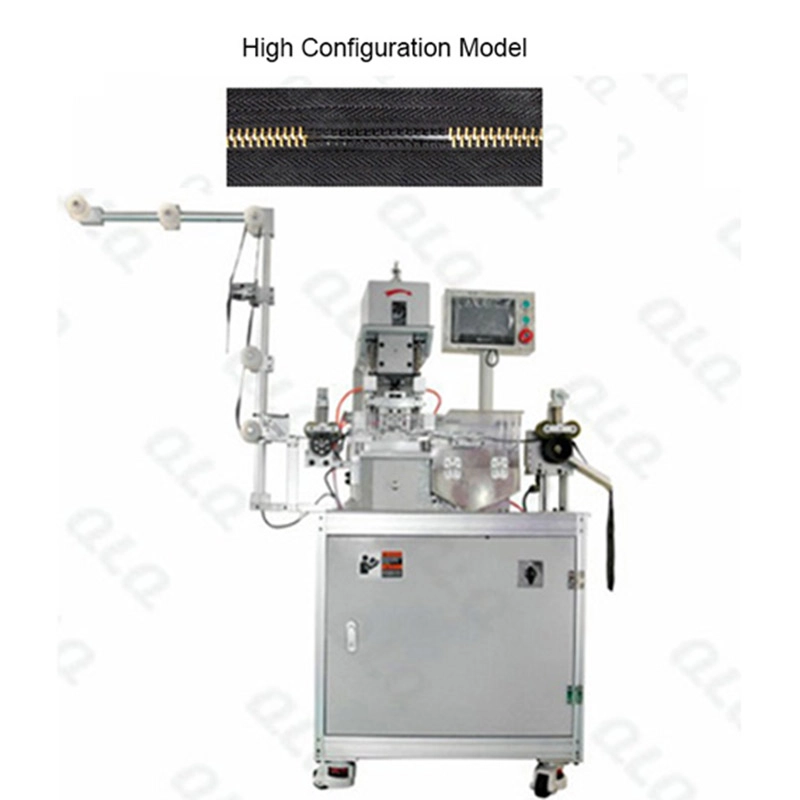
Most finishing line failures give a warning - a hotter bus bar, a noisier pump, a slower heater, a filter gauge creeping - that disappears into the shift if nobody is looking. A 15-minute daily audit turns those warnings into scheduled fixes instead of unscheduled scrap.
This guide is the audit routine QLQ recommends across plating, painting and e-coat lines: the fixed checkpoints, the readings to log, and the limits that trigger action. QLQ supplies the equipment and the training, and as China's only full-process manufacturing supplier from raw material through electroplating and painting, the audit is how a whole factory keeps every hand-off stable.
Common Mistakes and How to Avoid Them
The pitfalls that show up most often in real projects, with the cause and the practical fix.
| Mistake | Why It Happens | Practical Fix |
|---|---|---|
| 1. Audit as a glance, not a checklist | Problems hide in the details | Walk the fixed checklist in order every shift |
| 2. No log | Yesterday warning is forgotten today | One card per line, signed and dated |
| 3. Rectifier read but never calibrated | The read is a lie | Monthly calibration plus daily read |
| 4. Filter gauge ignored | Loaded filter recirculates sludge | Read and record differential pressure daily |
| 5. Pump noise accepted | Cavitation wears the pump | Log noise and flow; fix early |
| 6. Temperature read from the display only | Sensor drift goes unseen | Spot-check with a reference probe weekly |
| 7. Safety devices bypassed | Guards and interlocks save the line | Verify guards, interlocks and E-stops daily |
| 8. Air pressure set by ear | Tools and guns drift | Read the regulator at 0.5-0.7 MPa |
| 9. Skipping the oven and dryer | Cure drift is expensive | Check set-points and profiles on schedule |
| 10. Audit done by one person only | Second eyes catch more | Rotate auditors or pair them |
Best Practices That Hold Up in Production
The operating disciplines that separate a reliable line from a reactive one.
- Run the same fixed checklist every shift
- Keep one signed log card per line
- Read rectifier, filter and temperature daily
- Calibrate instruments on the monthly schedule
- Fix pump noise, leaks and hot joints early
- Verify guards, interlocks and E-stops daily
- Spot-check temperatures with a reference probe
- Rotate auditors to keep the walk fresh
Implementation Roadmap
A practical sequence that can be adapted to your own project.
Process Flowchart
Daily audit flow
A step-by-step sequence with notes and cautions so every shift follows the same order.
- A signed daily card builds the trend that finds the real problem.
- Fifteen minutes of audit saves hours of rejects.
- Rotate auditors so the walk never becomes a habit.
- Only trained staff touch electrical and pressure systems.
- Never reset an interlock that has tripped without finding the cause.
- Log safety findings first; they outrank production.
Working Data & Formula Notes
Working data - audit limits
Reference limits from QLQ finishing line practice and the knowledge base maintenance notes.
| Component / Parameter | Working Value / Role | What Changes Mean (annotation) |
|---|---|---|
| Supply voltage | 380 V +/- 10% | Outside the band, motors and heaters behave unpredictably. Read at the panel. |
| Air pressure | 0.5-0.7 MPa | The working band for pneumatics and spray guns. Drift changes atomisation and tool force. |
| Rectifier calibration | Monthly | Daily reads only help if the instrument is truthful. Calibrate current and voltage monthly. |
| Filter differential pressure | Daily read, change on rise | A climbing gauge is the filter asking for a change; ignoring it recirculates sludge. |
| Bath temperature | Daily per window | Compare with a reference probe weekly; alarms on deviation. |
| Oven and dryer profile | Monthly | Cure is a metal-temperature process; profile per product on schedule. |
| Safety devices | Daily | Guards, interlocks and E-stops must work before production starts. |
Reference Data
Specifications and references cited in this guide. Confirm final parameters with your line supplier.
Daily audit checkpoints
| Safety | Daily | Guards, interlocks, E-stops, ventilation |
| Utilities | Daily | 380 V +/- 10%, air 0.5-0.7 MPa |
| Tanks | Daily | Temperature, level, circulation |
| Rectifiers | Daily read / monthly calibrate | Display, contacts, Ah meter |
| Filters and pumps | Daily | Pressure, flow, noise |
| Racks and barrels | Daily | Contacts, hooks, loading |
| Ovens and dryers | Daily set-points / monthly profile | Belts, fans, profile schedule |
Weekly and monthly items
| Reference temperature check | Weekly | Spot-check bath sensors |
| Anode bag inspection | Weekly | Replace before bursting |
| Rectifier calibration | Monthly | Current and voltage |
| Oven profile | Monthly | Metal temperature per product |
| Line trend review | Weekly | Read the daily cards |
Implementation Cases
Case 1 - the audit that caught a heater before the shift
Situation. A nickel line started its shift on a heater that was slow to recover, and the first loads ran dull.
Approach. The daily audit card had shown a climbing recovery time for three days. The plant serviced the heater element and contactor before it failed completely.
Outcome. The dull-load loss was avoided, and the trend card became the trigger for planned maintenance.
Case 2 - a filter gauge that saved a bright nickel bath
Situation. A plating shop ignored a rising filter pressure for a week and started rejecting rough parts.
Approach. The audit routine was introduced with a daily gauge read; the filter was changed on pressure rise, and the housing cleaned.
Outcome. Roughness stopped returning, and the daily read became a standing rule.
Frequently Asked Questions
Why do I need a daily audit?
Finishing failures give warnings - hot joints, noisy pumps, slow heaters, rising filter pressure. A 15-minute daily audit turns those warnings into scheduled fixes.
What should I check every shift?
Safety devices, utilities (power and air), tanks, rectifiers, filters, racks and ovens - in a fixed order, logged on one card per line.
What air pressure should the line run?
0.5-0.7 MPa is the working reference for pneumatics and spray guns. Drift changes atomisation and tool behaviour.
How often should rectifiers be calibrated?
Monthly for current and voltage, with a daily read of the display. A daily read of an uncalibrated meter is a confident lie.
Why read filter pressure every day?
The differential pressure gauge is the filter telling you it is full. Ignoring it recirculates sludge into the bath.
Who should do the audit?
A trained technician, and preferably rotate auditors so the walk does not become a blind habit.
What if I find a problem?
Log it, flag it and fix small faults the same day. Use the trend card to schedule bigger repairs before they fail.
Do ovens need daily checks?
Check set-points and belts daily; profile by metal temperature monthly. Cure drift is expensive and invisible until testing.
How do I make the audit stick?
One signed card per line per shift, reviewed weekly for trends. What gets logged gets fixed.
Does QLQ provide audit training?
Yes - commissioning includes operator and technician training, and QLQ engineers can help you build the daily audit card for your specific line.
What Would You Like to Solve?
If your line has repeating surprises, start a daily audit card tomorrow: same order, same readings, signed per shift. Share your first week of cards and we can help you set the limits and triggers that turn warnings into planned fixes.
Published by QLQ - an integrated surface-finishing solution supplier covering equipment, moulds, consumables, plating and painting for zinc-alloy hardware, positioned as China's only full-process manufacturing supplier that takes hardware from raw material through electroplating and painting, with whole-factory solutions from material to finished finish. Values cited are project references; confirm with your line supplier before specification.