
Professional Zinc Alloy Surface Finishing Solutions
DL-Methionine
DL-Methionine
Buat kode QR
-
Estimated Delivery:Oct 02 - Oct 06
-
Free Shipping & Returns: On all orders over $75
Product description
Shipping & Return
Product Overview
DL-Methionine (C5H11NO2S) is a sulfur-containing amino acid supplied to the plating industry as a raw material and working co-additive for brightener systems, most prominently in acid zinc and zinc-alloy plating, where it acts as a secondary brightener and leveler. Its sulfur atom is the key: sulfur-bearing organic molecules adsorb on the growing zinc surface and control crystal growth, which is the same family chemistry that saccharin brings to nickel - here applied to bright, leveled zinc deposits with an even low-current-density range. The “DL” prefix means the synthetic racemic mixture (both optical forms), which is the standard economical plating/industrial grade; L-methionine is a purified form sold mainly for feed and food, at a price the plating shop should not pay. Market grades differ in assay (≥ 99% for additive blending), heavy metals and chloride. QLQ selects the low-heavy-metal DL form so formulators and plating shops start from clean material, not from a bag whose impurities land in the brightener tank.
Product Identity (Encyclopaedia Card)
| Property | Value |
|---|---|
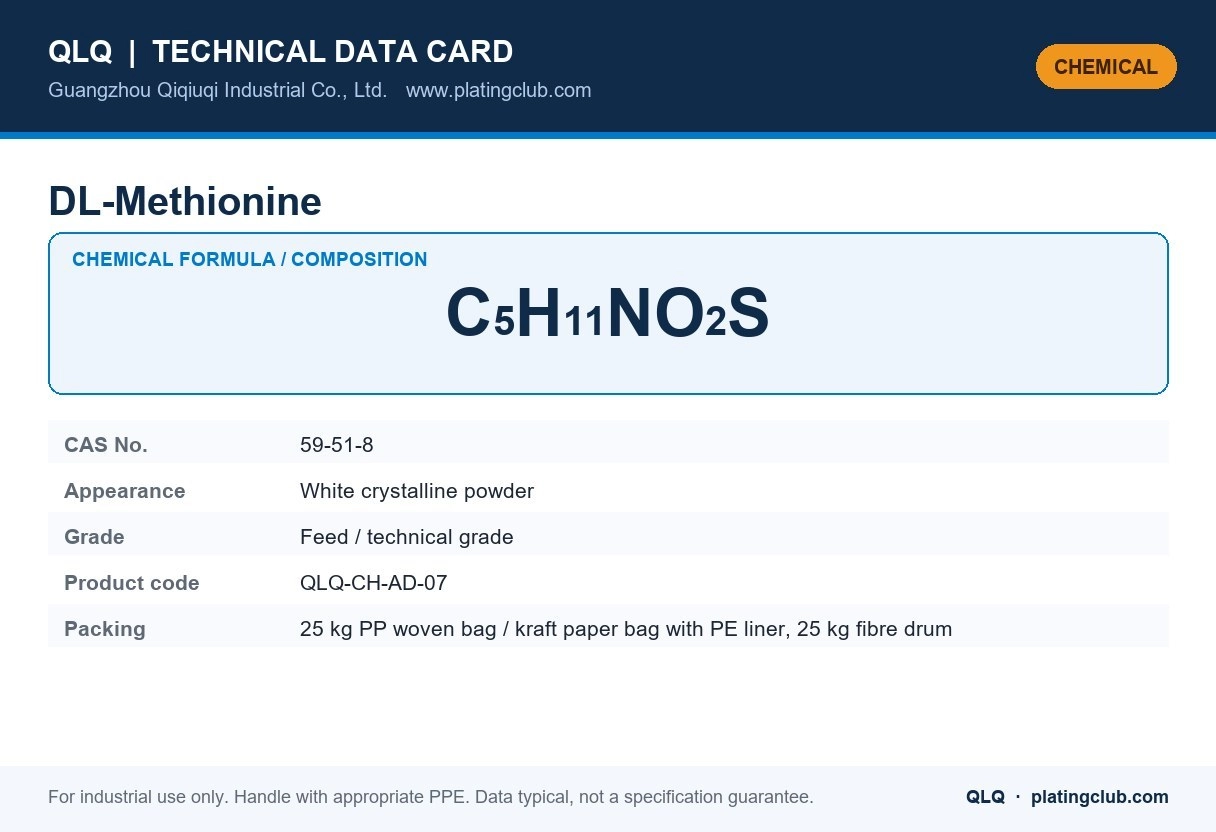
| Chemical name | DL-Methionine |
| Chemical formula | C5H11NO2S |
| CAS number | 59-51-8 |
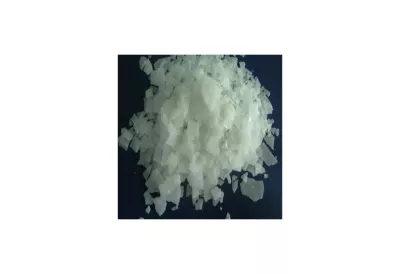
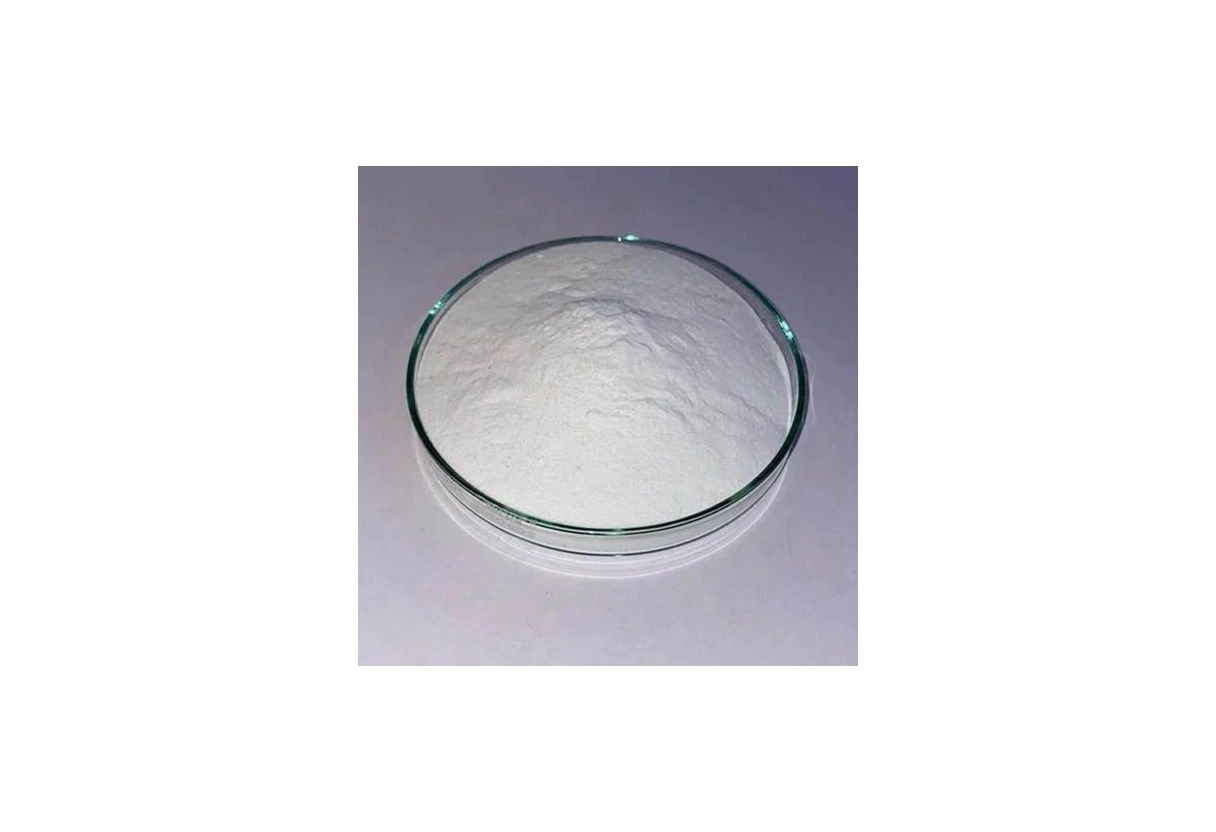
| Appearance | White crystalline powder |
| Grade / type | Feed / technical grade |
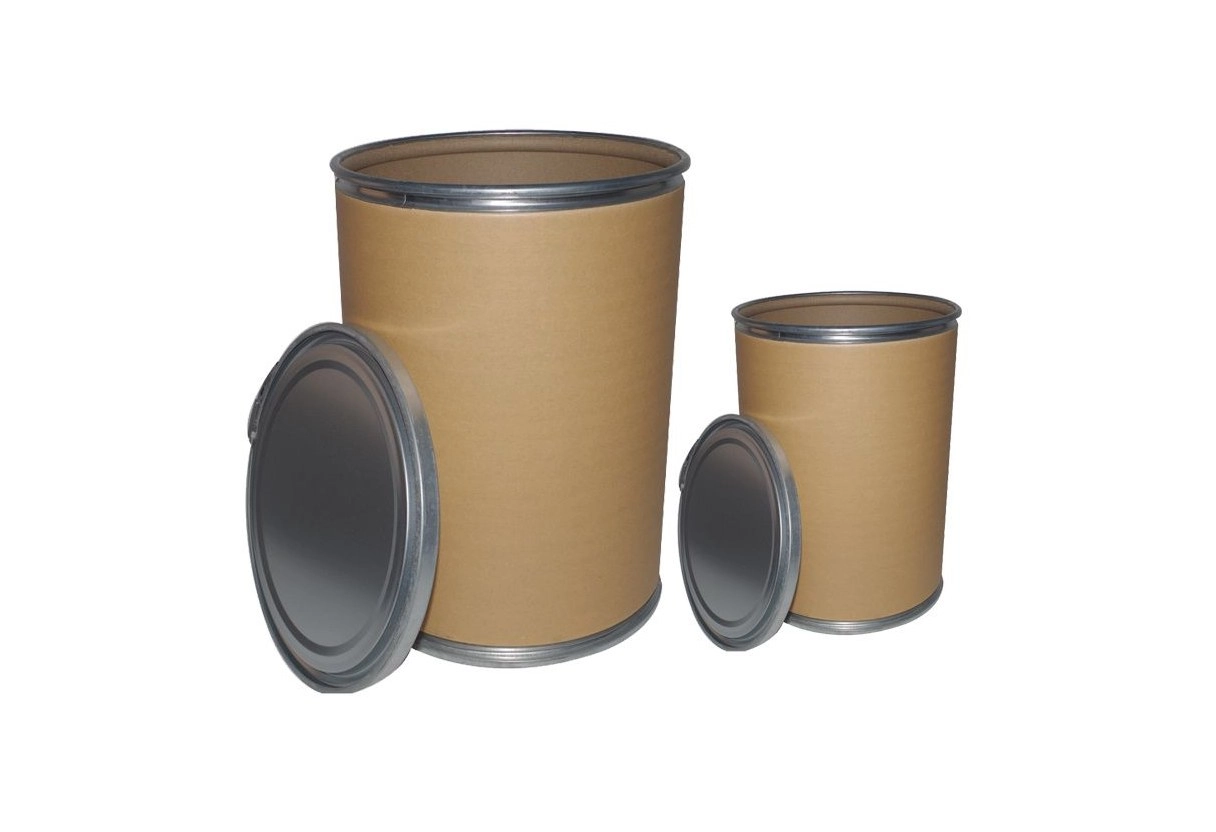
| Standard packing | 25 kg PP woven bag or kraft paper bag with PE inner liner; 25 kg fibre drum |
What it is and what it does. DL-methionine is the amino acid additive used as a brightener, a complexant and a stabiliser in acid copper, bronze and some electroless systems.
- White crystalline powder; one of the classic protein-type brightener components in barrel bronze baths.
- Helps to control the copper-tin ratio in bronze plating, which is what sets the colour of the deposit.
- Also used as a corrosion inhibitor and as a nutrient in some biological water treatment systems.
Typical Use in a Plating / Finishing Line
| Item | Typical guidance |
|---|---|
| Barrel bronze / brass | 0.05-1 g/L depending on the system |
| Acid copper | As part of the additive package |
| Control | Hull cell panel plus periodic carbon treatment |
Safety, Handling & Storage
| Item | Requirement |
|---|---|
| Hazard classification | Not classified as dangerous for transport in most cases; observe good industrial hygiene and dust control |
| Personal protective equipment | Dust mask, goggles and gloves for powder handling; general ventilation |
| Spill / first aid | Sweep up dry; material is a nuisance dust — avoid breathing the dust |
| Storage | Cool, dry, sealed store; keep bags closed, off the floor and away from moisture |
| Transport | Classified and packed according to IATA/IMDG for the hazard class; UN number and packing group stated on the shipping documents |
Quality Documents Shipped With Every Batch
| Document | Comment |
|---|---|
| COA (certificate of analysis) | Provided with the shipment; batch traceable to the production date |
| MSDS (safety data sheet) | Provided with the shipment; batch traceable to the production date |
| Packing list | Provided with the shipment; batch traceable to the production date |
| Commercial invoice | Provided with the shipment; batch traceable to the production date |
| Certificate of origin on request | Provided with the shipment; batch traceable to the production date |
Buyer Questions We Answer Every Week
| Question | Answer |
|---|---|
| What does DL mean? | It is the racemic mixture of the two optical forms; the plating performance is the same as the separate forms give together. |
| Can it be replaced by gelatin? | They are used together in many bronze baths; one does not fully replace the other. |
| Item | Typical Value |
|---|---|
| Chemical identity | DL-Methionine, C5H11NO2S (racemic) |
| Appearance | White crystalline powder / flakes |
| Assay | ≥ 99% (industrial grade) |
| Solubility | ~33 g/L in water at 25°C; soluble in dilute acid/alkali |
| pH (1% solution) | 5.5-7.0 |
| Loss on drying | ≤ 0.5% |
| Heavy metals | ≤ 10 ppm |
| Standard packing | 25KG/DRUM, PE-lined |
How It Works in a Zinc Brightener System
Methionine adsorbs on the cathode in the current-density range where zinc grows fastest and slows deposition there, letting the recessed areas catch up - the definition of leveling. At the same time its sulfur atom is incorporated in trace amounts into the deposit, which refines the grain and widens the bright range toward the low-current end where barrels and racks always have problems. It is a secondary additive: it rarely works alone and is normally formulated with a carrier (polyether-type surfactant) and a primary brightener such as a benzalacetone-type carbonyl compound:
| Component | Typical in-bath level | Role |
|---|---|---|
| Zinc chloride (or sulfate) | Zn 15-40 g/L | Main salt |
| Potassium chloride (chloride system) | 180-220 g/L | Conductivity carrier |
| Boric acid | 20-30 g/L | pH buffer |
| Polyether carrier | 1-5 g/L | Solubilizes brighteners, widens bright range |
| Primary brightener (e.g. benzalacetone type) | 0.05-0.3 g/L | Brightness |
| DL-Methionine | 0.02-0.5 g/L (working range) | Secondary brightener / leveler - refines grain, lifts low-CD brightness |
When methionine is used as a direct tank addition (rather than inside a bought brightener), the practical guidance is: dissolve it in the carrier stock, start near the low end of the range, and move up only on Hull cell evidence. Above roughly 0.5-1 g/L it stops leveling and starts producing haze at low current density.
Why Plating Shops and Formulators Buy It
| Buyer type | How methionine is used | Benefit |
|---|---|---|
| Additive formulator | Blended into acid zinc and zinc-alloy brightener concentrates | A cost-effective leveling/refining component in the formula |
| Plating shop (direct dosing) | Co-additive with carrier + primary brightener in acid zinc | Levels the deposit and rescues low-CD brightness without a new bought system |
| R&D / pilot lines | Zinc-nickel and specialty alloy bath studies | Sulfur-amino-acid chemistry explored as leveler in alloy deposits |
Market-grade guidance: buy on assay and heavy metals, and verify performance in a Hull cell on your own bath - the amino acid that works in a sulfate bath may need different levels in a chloride bath.
Quality Checks Before Use
| Check | Method | Pass |
|---|---|---|
| Appearance | Visual vs retained sample | White crystals; no yellowing or clumping (moisture pickup) |
| Assay | COA (HPLC or Kjeldahl nitrogen) | ≥ 99% |
| Solubility | 3 g in 100 ml water at 25°C | Clear solution; no residue or film |
| pH (1%) | pH meter | 5.5-7.0 |
| Hull cell (acid zinc) | Add 0.05-0.1 g/L to a working acid zinc bath | Low-CD brightness improves; no haze appears at any CD |
How QLQ controls it: every lot is checked for assay, heavy metals and Hull cell response in an acid zinc bath against a retained reference before release. Because methionine is usually one of three or four components in a blend, the batch number lets QLQ isolate quickly whether a brightness complaint traces to this lot or to the carrier and primary brightener around it.
Common Problems & Fixes (Workshop Table)
| Problem | Root cause | Fix |
|---|---|---|
| Low-CD haze after dosing methionine | Over-dosed for the carrier level | Cut dose; raise carrier; Hull cell at 0.5-1 A to confirm |
| No leveling effect seen | Dose far below effective level or carrier too weak | Increase stepwise to 0.1-0.3 g/L; verify carrier in range |
| Bath goes cloudy in winter | Carrier or primary brightener salted out at low temperature | Warm tank to 25-30°C; check carrier cloud point |
| Brightness varies between make-up lots | Assay or heavy-metal drift in raw material | Verify COA per lot; retain samples; buy on assay not price |
| White film on dried zinc parts | Not a methionine fault - chromate/rinse issue | Check passivation and rinse; don't mis-attribute to the brightener |
Handling & Safety
- Health: methionine is a low-toxicity amino acid, but industrial dust should not be inhaled; wear a dust mask and gloves when weighing.
- Dosing: dissolve in warm water or directly in the carrier stock; never dump powder into the plating tank where it can float and over-dose locally.
- Stability: stable as a solid; aqueous solutions can support microbial growth if stored warm for weeks - prepare dosing stocks fresh and keep them cool.
- Incompatibility: keep away from strong oxidizers and strong acids in the dry state; do not store near chlorine-bearing chemicals.
- Storage: sealed drums in a dry, cool store; hygroscopic when humidity is high. Shelf life sealed: 24 months.
- Waste: amino-acid residues are biodegradable; spent zinc baths still carry zinc and must be treated for metal content before discharge.
What It Does on Iron, Zinc Alloy, Copper and Stainless Steel Parts
| Substrate | Role / behavior of methionine-leveled zinc | Practice note |
|---|---|---|
| Iron / steel hardware | The main application - bright, leveled acid zinc on fasteners, brackets and stamped parts ready for chromate and sealing | Barrel 0.5-2 A/dm², pH 5.0-5.8; keep methionine at the low end of range for barrel work |
| Zinc alloy (die-cast sliders, buckles) | No role on the die-cast surface itself - zinc-alloy parts are Cu-Ni-Cr finished, not zinc plated | Do not confuse this acid-zinc additive with the die-cast copper-nickel route; keep the two lines separate |
| Copper / brass | Not used as a decorative additive on copper; relevant only in stripping zinc from rejects in acid | For zinc removal on brass rework, use controlled strip chemistry - do not dose the plating bath |
| Stainless steel | Acid zinc can plate stainless after proper activation; methionine improves the deposit on difficult geometry | Activate (acid or nickel strike) first; low CD and recesses benefit most from the leveling |
FAQ
| Question | Answer |
|---|---|
| What is DL-methionine doing in my zinc bath? | It is a sulfur-containing secondary brightener/leveler: it adsorbs where zinc grows fastest, refines the grain and lifts low-current-density brightness in acid zinc and zinc-alloy systems. |
| DL or L - which grade should I buy? | DL (racemic, synthetic) is the standard industrial grade and the right buy for plating. L-methionine costs more and is purified for feed/food; the plating bath gains nothing from the extra cost. |
| Can I add methionine directly to an existing proprietary acid zinc bath? | Only in small trial steps under Hull cell control - proprietary systems already contain their own levelers and an uncontrolled extra amino acid can over-dose them. Test at 0.02-0.05 g/L on panels before committing a production tank. |
| Does QLQ help with acid zinc brightener blending? | Yes - DL-methionine, carriers, primary brighteners and wetting agents are supplied with formulation guidance, and QLQ engineers help customers tune the blend by Hull cell analysis. |
Low-current haze or weak leveling on your zinc line? QLQ engineering helps plating shops in 10+ countries balance brightener components by Hull cell. Contact us with a panel photo and your bath analysis.
Shipping cost is based on weight. Just add products to your cart and use the Shipping Calculator to see the shipping price.We want you to be 100% satisfied with your purchase. Items can be returned or exchanged within 30 days of delivery.