

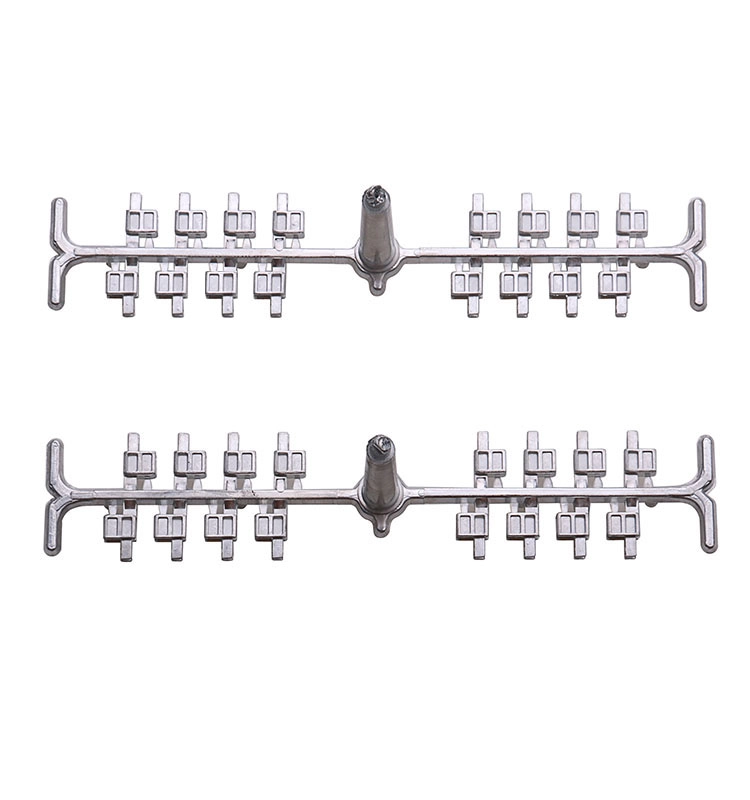
A die-casting machine talks through oil temperature, tie-bar stretch and shot-end sound. Juniors who read those signals keep the machine from failing in the middle of a run.
This junior guide is the daily care checklist for a zinc die-casting machine: hydraulics, lubrication, shot-end wear and the first-hour checks that protect the shift.
Common Mistakes and How to Avoid Them
The pitfalls that show up most often in real projects, with the cause and the practical fix.
| Mistake | Why It Happens | Practical Fix |
|---|---|---|
| 1. Cold oil start | Slow cycle and jerky shot | Pre-heat hydraulics |
| 2. Oil overheat | Seals fail fast | Check cooler and level |
| 3. Tie-bar stretch ignored | Flash appears | Measure per schedule |
| 4. Plunger dry | Sticking and scoring | Lubricate the shot end |
| 5. Sleeve wear unseen | Flash and rough castings | Inspect per week |
| 6. Leaks ignored | Pressure loss | Check fittings daily |
| 7. No first-hour watch | Fault repeats all shift | Stay at the machine |
| 8. Lube points missed | Wear and noise | Follow the lube card |
Best Practices That Hold Up in Production
The operating disciplines that separate a reliable line from a reactive one.
- Warm the hydraulics before production
- Watch oil temperature all day
- Check tie-bar stretch weekly
- Lubricate the shot end per cycle rules
- Listen in the first hour and log findings
Implementation Roadmap
A practical sequence that can be adapted to your own project.
Process Flowchart
Daily machine care flow
A step-by-step sequence with notes and cautions so every shift follows the same order.
- Oil temperature is the machine health number.
- The first hour is the cheapest fault detector.
- Never open guards while the machine cycles.
- Report hydraulic leaks immediately.
Working Data & Formula Notes
Machine care data
Reference values for zinc die-casting machine daily care.
| Component / Parameter | Working Value / Role | What Changes Mean (annotation) |
|---|---|---|
| Oil temperature | 40-55 C | Too cold jerks, too hot kills seals |
| Tie-bar stretch | Per machine spec | Uneven stretch = flash |
| Plunger lube | Per cycle rule | Dry shot scores the sleeve |
| First-hour log | Every shift | Trend beats memory |
Reference Data
Specifications and references cited in this guide. Confirm final parameters with your line supplier.
Daily care card
| Check | Target | Action |
| Oil level | Full mark | Top up per spec |
| Oil temperature | 40-55 C | Check cooler |
| Shot-end lube | Per cycle | Set the pump |
| Leaks | None | Tighten or report |
Implementation Cases
Case 1 - cold oil that stole the morning
Situation. A plant started production with cold hydraulics and rejected the first hour with sluggish shots and flash.
Approach. Hydraulic warm-up time was added before production and oil temperature was logged.
Outcome. First-hour rejects stopped; the warm-up is now in the shift plan.
Case 2 - a dry plunger that scored a sleeve
Situation. Plunger lubrication failed on a night shift and the sleeve scored, causing flash all day.
Approach. Shot-end lubrication was checked at start-up and logged per shift.
Outcome. No further scoring; the start-up card caught it before the run.
Frequently Asked Questions
Why warm the hydraulics?
Cold oil makes the shot jerky and the cycle slow; 40-55 C gives a stable shot.
Why check tie-bar stretch?
Uneven stretch opens the die and creates flash; measure per spec.
Why lubricate the shot end?
A dry plunger sticks, scores the sleeve and causes flash.
What oil temperature is safe?
About 40-55 C for most zinc machines; above that seals fail fast.
Why watch the first hour?
Start-up faults show in the first hour while the machine can still be saved.
What do I log?
Oil temperature, shot-end lube, tie-bar readings and any leak or noise.
Why report leaks immediately?
Hydraulic leaks drop pressure and can burn or injure; report now.
Who owns the care card?
The machine operator, reviewed by the die-casting supervisor each shift.
What Would You Like to Solve?
Tell us your machine model, oil spec and current care card. We can help set the daily care routine and the first-hour log for your zinc die-casting machine.
Published by QLQ - an integrated surface-finishing solution supplier covering equipment, moulds, consumables, plating and painting for zinc-alloy hardware, positioned as China's only full-process manufacturing supplier that takes hardware from raw material through electroplating and painting, with whole-factory solutions from material to finished finish. Values cited are project references; confirm with your line supplier before specification.