
Why wheel speed decides the finish before anything else
On a polishing bench, wheel surface speed — not motor RPM alone — decides how fast compound cuts and how much heat goes into the part. A wheel run too slow smears compound instead of cutting; run too fast, it burns edges on zinc and pulls oils out of the wheel. This page gives the starting ranges every junior must memorise before touching a production part.
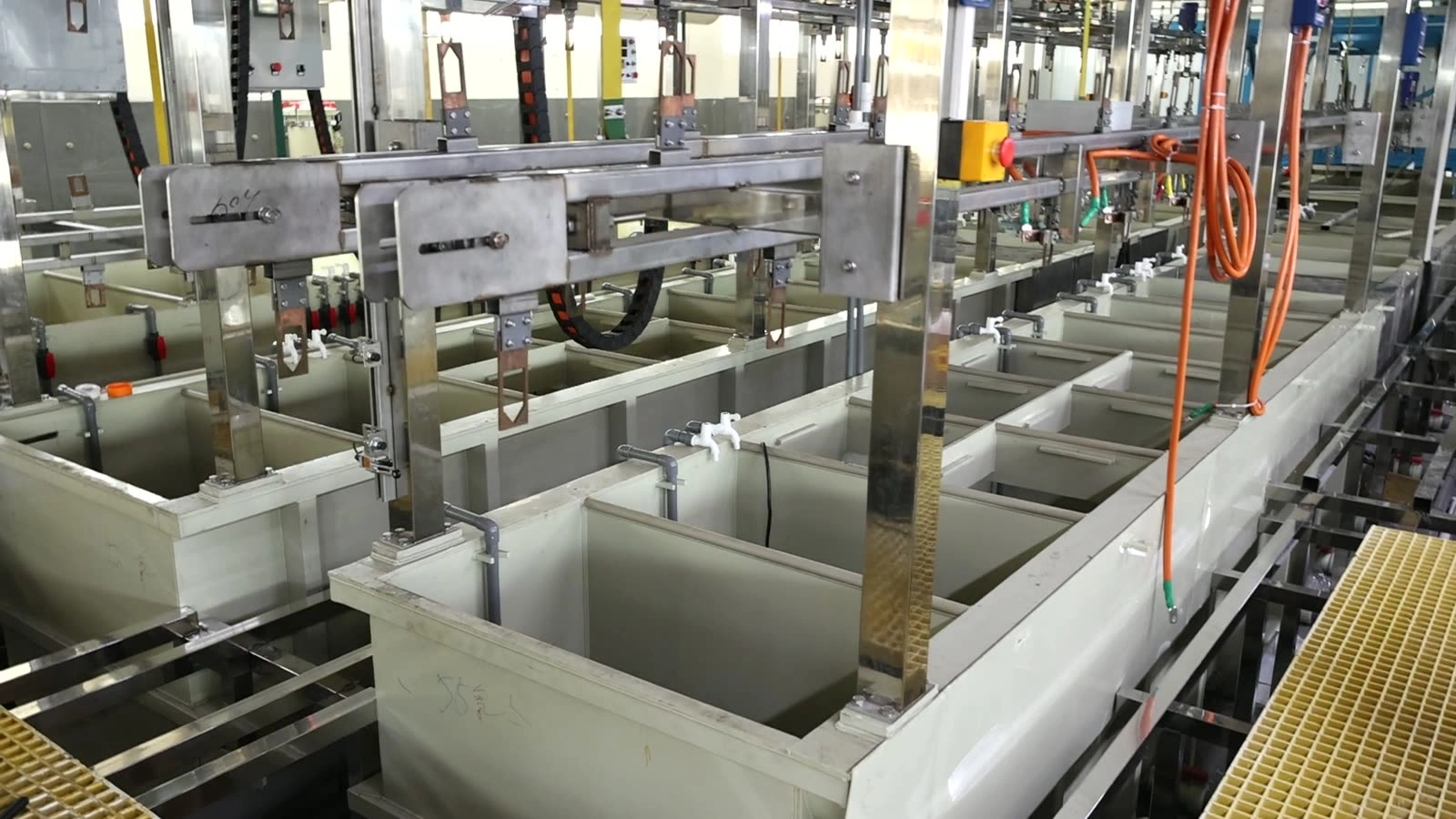
The RPM ranges by wheel type (data table)
Set speed by wheel diameter: larger wheels need lower RPM to hit the same surface speed. Log your bench settings on the card below and adjust one variable at a time.
| Wheel type / diameter | Surface speed target | Typical RPM (300 mm wheel) | Watch out |
|---|---|---|---|
| Sisal / hard felt, 300 mm | 28–35 m/s | 1800–2200 | Edge burning on thin zinc |
| Cloth loose buff, 300 mm | 20–28 m/s | 1300–1800 | Wheel grabs part if pressure too high |
| Fine finish muslin, 250 mm | 18–24 m/s | 1400–1800 | Over-bright with too much compound |
| Wire wheel, 250 mm | 25–30 m/s | 1900–2300 | Wire tips blunt above 2400 |
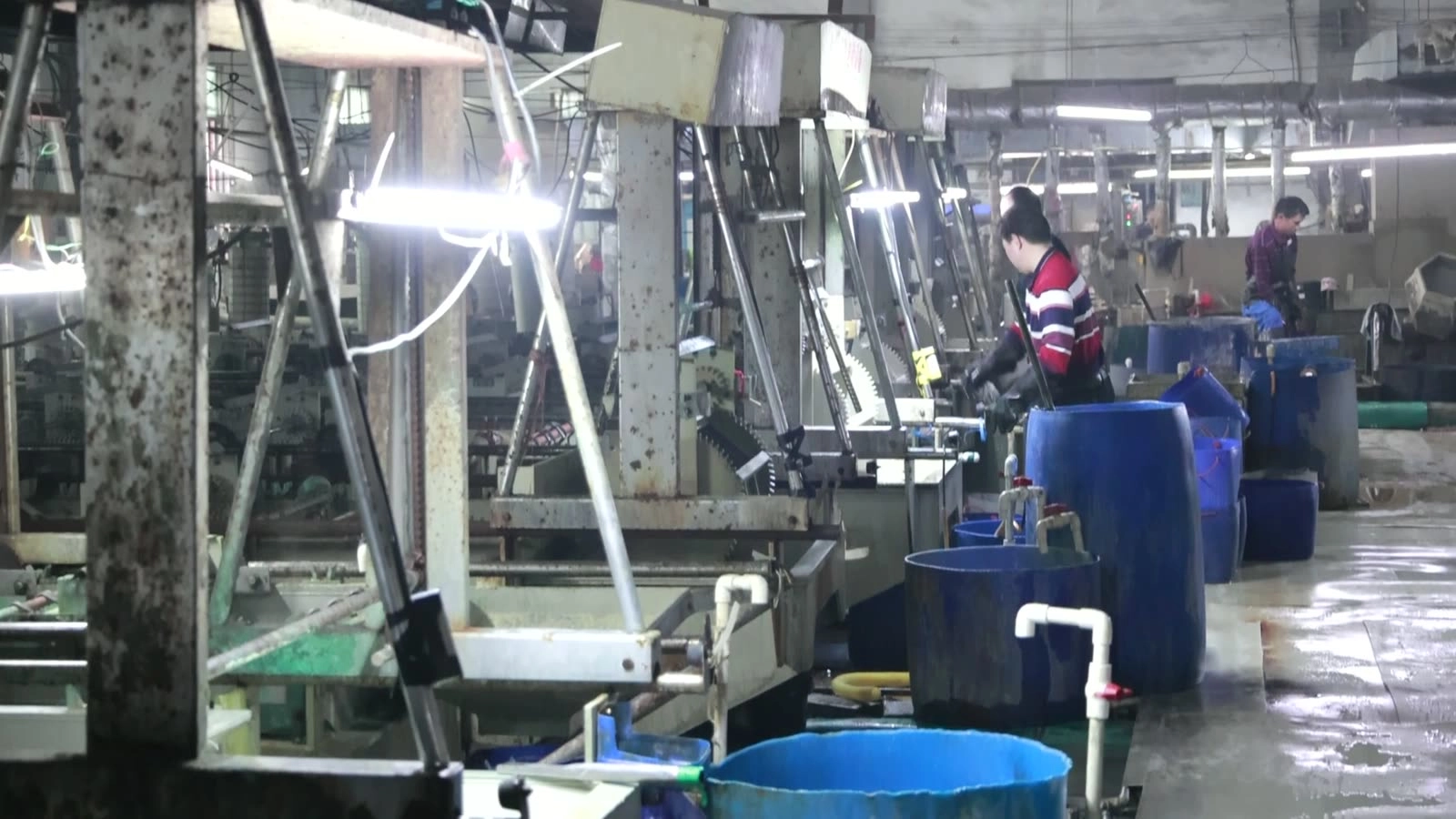
Pressure: the variable juniors get wrong
Pressure should come from wheel speed doing the cut — not muscle. Start with the part touching the wheel under its own weight plus a finger of guidance. If the motor note drops or the part heats in under five seconds, pressure is too high; back off and let compound work. Burn lines and dark edges mean both speed and pressure are past the window — stop, cool, restart lower.
Setup routine before the first piece
- Check wheel RPM rating against spindle speed — never exceed the wheel label.
- Dress the wheel true; a wobble transfers to every part.
- Apply compound in short touches while running — never press a bar against a stopped wheel.
- Run a scrap piece of the same alloy to confirm gloss before production.
- Log bench RPM, wheel type and compound on the job card.
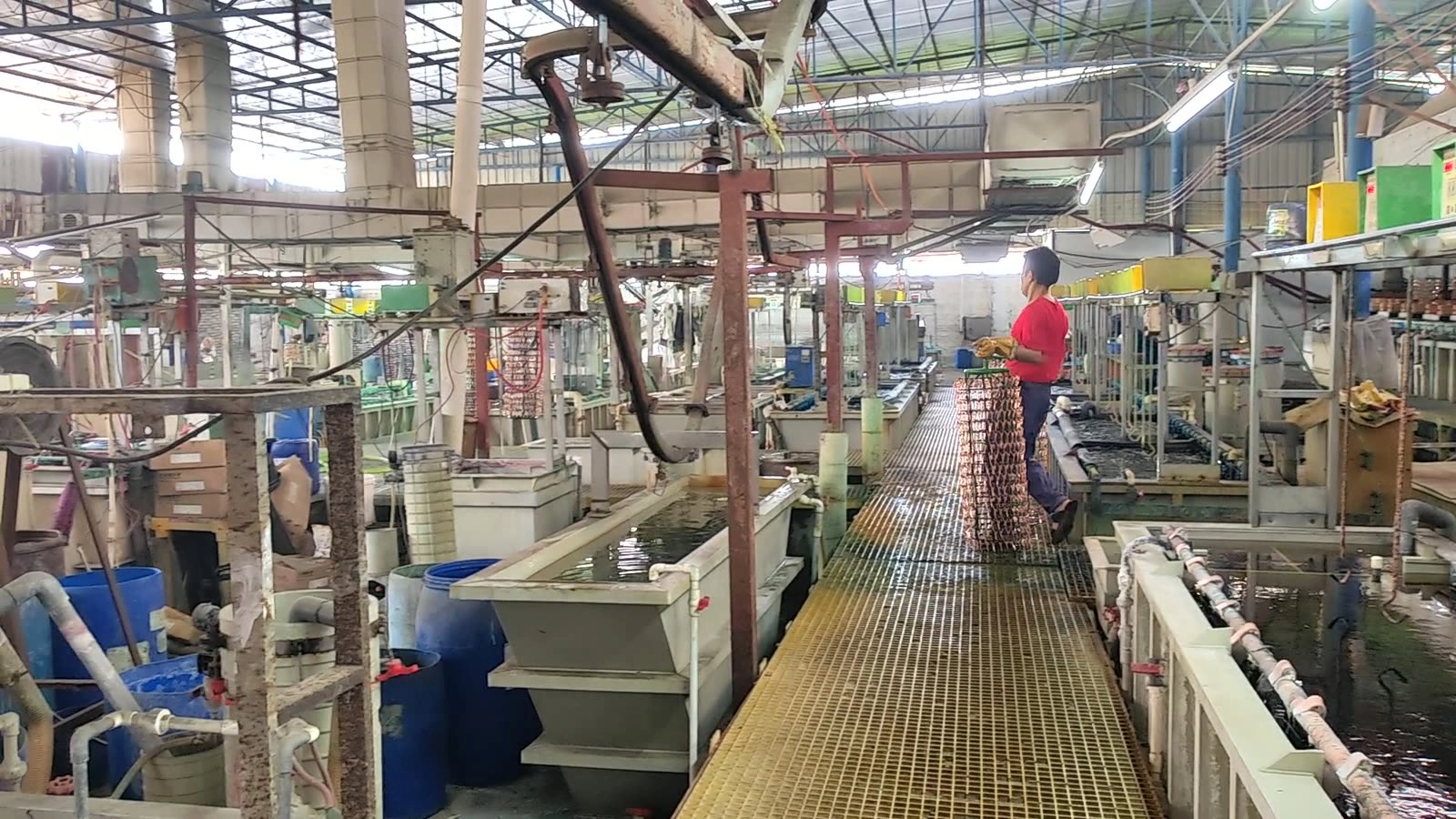
Engineer notes
- Small diameter wheels spin faster RPM for the same cut — recalculate, do not copy settings across benches.
- Keep a 5 s cool-down between passes on zinc diecast edges.
- Grease-based compounds cut cooler than bar wax in summer shop heat.
- A glazed wheel polishes nothing: re-dress before adding more compound.
- Vibration you feel in the handle shows up as witness lines on the part — check spindle bearings first.