
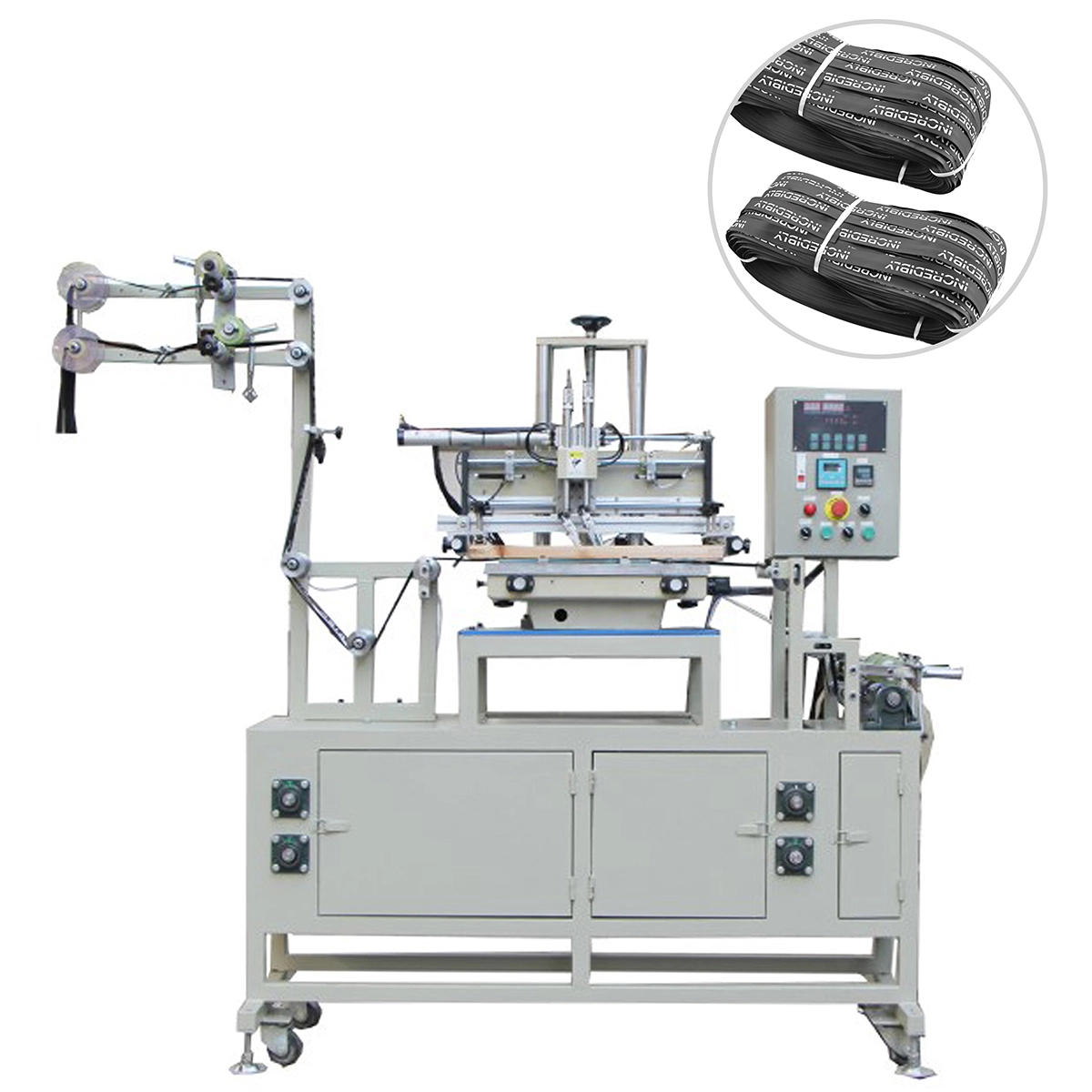
A tumble line's capacity is set by the drum cycle: load, spray, cure and unload. Layout and scheduling decide how many cycles the line actually completes per shift.
This management guide covers drum cycle math, bottleneck identification and batch scheduling for a full tumble painting line.
Common Mistakes and How to Avoid Them
The pitfalls that show up most often in real projects, with the cause and the practical fix.
| Mistake | Why It Happens | Practical Fix |
|---|---|---|
| 1. Capacity counted from drums | Real rate lower | Use the cycle time |
| 2. Cure oven bottleneck | Drums wait | Map the cycle |
| 3. No schedule | Starts drift | Plan batch starts |
| 4. Paint prep not counted | Cycle extends | Include prep time |
| 5. Change-over ignored | Time lost | Plan change-over slots |
| 6. No buffer | One delay stops the line | Stage prepared batches |
| 7. OEE never measured | Losses invisible | Track monthly |
| 8. Layout crosses flows | Contamination | Dirty to clean routing |
Best Practices That Hold Up in Production
The operating disciplines that separate a reliable line from a reactive one.
- Calculate capacity from the full drum cycle
- Map every step and find the bottleneck
- Schedule batch starts per hour
- Include paint prep and change-over in the plan
- Track OEE monthly
Implementation Roadmap
A practical sequence that can be adapted to your own project.
Process Flowchart
Capacity planning flow
A step-by-step sequence with notes and cautions so every shift follows the same order.
- Capacity = shifts x batches/hour at the bottleneck.
- Buffers absorb small delays.
- Do not rush the cure step - film needs time.
- Keep the flow dirty-to-clean.
Working Data & Formula Notes
Capacity data
Reference math for tumble line planning.
| Component / Parameter | Working Value / Role | What Changes Mean (annotation) |
|---|---|---|
| Capacity | Shifts x batches/hour | Bottleneck sets the rate |
| Cycle | Load, spray, cure, unload | All steps count |
| OEE | Availability x performance | Losses become visible |
| Buffer | 1-2 prepared batches | Absorbs delays |
Reference Data
Specifications and references cited in this guide. Confirm final parameters with your line supplier.
Cycle time map
| Step | Time per batch | Note |
| Paint prep | Logged | Often forgotten |
| Load + spray | Logged | Drum step |
| Cure | Logged | Usually bottleneck |
| Unload | Logged | End of cycle |
Implementation Cases
Case 1 - drums waiting on the oven
Situation. A line with four drums produced three batches per shift; the cure oven could only take one batch at a time and was the bottleneck.
Approach. Batch starts were scheduled around the oven, and a second cure rack was added to double oven capacity.
Outcome. Output rose to six batches per shift with the same drums; the oven became the planning unit.
Case 2 - paint prep that ate the morning
Situation. Every morning started late because paint prep was done after the drums were loaded; prep time was not in the plan.
Approach. Prep was moved before drum loading and included in the schedule; change-over slots were added.
Outcome. The line started on time; prep is now a scheduled step.
Frequently Asked Questions
How is capacity calculated?
From the full drum cycle at the bottleneck step: shifts x batches per hour.
What is the bottleneck?
The longest cycle step, usually the cure oven, because everything waits on it.
Why include paint prep?
Prep is real time; ignoring it overstates capacity.
What is a batch schedule?
Planned start times that keep the bottleneck full.
What is OEE?
Availability x performance; it shows where tumble time is lost.
Why buffers?
One or two prepared batches absorb small delays without stopping the line.
How do I fix a cure bottleneck?
Add oven capacity, stage batches, or shorten the cycle without under-curing.
Why dirty-to-clean routing?
Paint dust and overspray must not land on cured parts.
How often review the plan?
Monthly, plus after part mix or oven changes.
What Would You Like to Solve?
Tell us your drum cycles, oven capacity and batch times. We can build the capacity math and the batch schedule for your tumble line.
Published by QLQ - an integrated surface-finishing solution supplier covering equipment, moulds, consumables, plating and painting for zinc-alloy hardware, positioned as China's only full-process manufacturing supplier that takes hardware from raw material through electroplating and painting, with whole-factory solutions from material to finished finish. Values cited are project references; confirm with your line supplier before specification.