
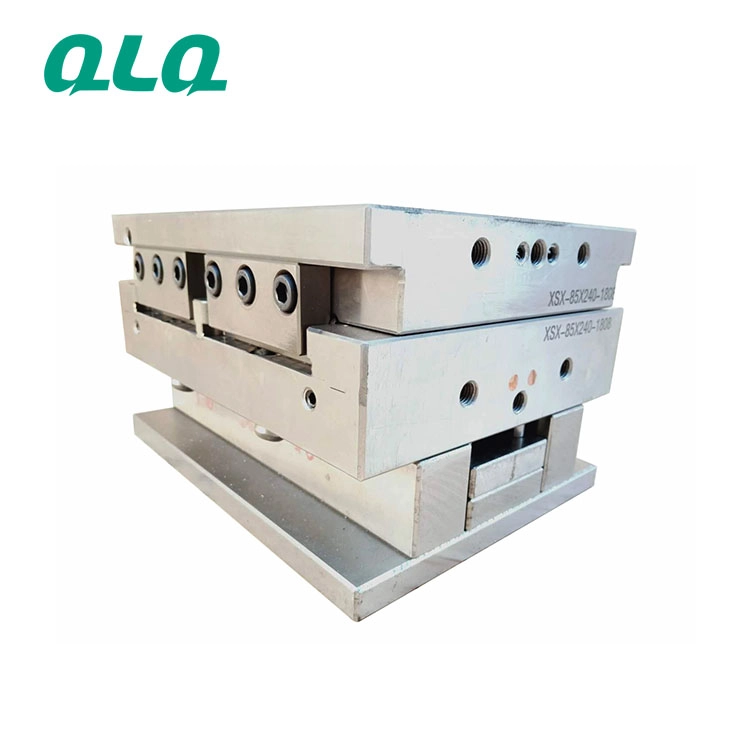
A toolroom is governed by gates and records: every repair measured, documented and costed. Managers who run this protect the most valuable assets on the line.
This guide is the toolroom governance system for a zinc die-casting plant.
Common Mistakes and How to Avoid Them
The pitfalls that show up most often in real projects, with the cause and the practical fix.
| Mistake | Why It Happens | Practical Fix |
|---|---|---|
| 1. Repairs ungated | Bad moulds run | Gate every repair |
| 2. No mould cards | History lost | Cards mandatory |
| 3. Costs untracked | Invisible budget | Cost per mould |
| 4. One toolmaker owns all | Absence stops | Cross-train |
| 5. Priority by argument | Wrong tools first | Value and risk |
| 6. No spare plan | Stops stretch | Spares by risk |
| 7. Training as induction | Skill gaps | Run the ladder |
| 8. Gates unenforced | Faults escape | Audit |
Best Practices That Hold Up in Production
The operating disciplines that separate a reliable line from a reactive one.
- Gate every repair
- Keep mandatory mould cards
- Track cost per mould
- Prioritise by value and risk
- Cross-train the toolroom
Implementation Roadmap
A practical sequence that can be adapted to your own project.
Process Flowchart
Toolroom governance flow
A step-by-step sequence with notes and cautions so every shift follows the same order.
- Cost per mould is the toolroom truth.
- The card is the accountability record.
- Toolroom safety is mandatory.
- Never release an unverified mould.
Working Data & Formula Notes
Working data - toolroom KPIs
Reference KPIs for a toolroom.
| Component / Parameter | Working Value / Role | What Changes Mean (annotation) |
|---|---|---|
| Repair gate compliance | Percent repairs | Discipline. |
| Cost per mould | Per thousand parts | The budget truth. |
| Repair cycle time | Days | Responsiveness. |
| Mould uptime | Percent | Outcome. |
Reference Data
Specifications and references cited in this guide. Confirm final parameters with your line supplier.
Management review
| Repair gate compliance | Weekly | Cards signed |
| Cost per mould | Monthly | Per thousand parts |
| Open repairs | Weekly | Age and priority |
| Training progress | Monthly | Ladder |
Implementation Cases
Case 1 - an ungated repair that ran a shift
Situation. A mould came back from repair and ran a full shift producing flow marks.
Approach. A first-article gate was enforced for every repair.
Outcome. The fault was caught before the shift.
Case 2 - cost tracking that changed priorities
Situation. Repairs were done by whoever shouted loudest.
Approach. Cost per mould and risk ranking set the queue.
Outcome. High-value moulds stopped waiting.
Frequently Asked Questions
Why gate every repair?
Unverified work prints faults into production.
Why mandatory mould cards?
History prevents repeated fixes and supports decisions.
What is cost per mould?
Repair and maintenance cost per thousand parts - the budget truth.
How do I prioritise?
By value and risk, not by argument.
How do I stop single-expert risk?
Cross-train and document.
Why plan spares?
Risk-based spares keep stops short.
What KPIs should I run?
Repair gate compliance, cost per mould, repair cycle time and uptime.
How do I keep gates real?
Audit them.
What Would You Like to Solve?
Gate every repair, keep the cards, cost every mould and train the toolroom. Governance turns repairs into controlled work.
Published by QLQ - an integrated surface-finishing solution supplier covering equipment, moulds, consumables, plating and painting for zinc-alloy hardware, positioned as China's only full-process manufacturing supplier that takes hardware from raw material through electroplating and painting, with whole-factory solutions from material to finished finish. Values cited are project references; confirm with your line supplier before specification.