

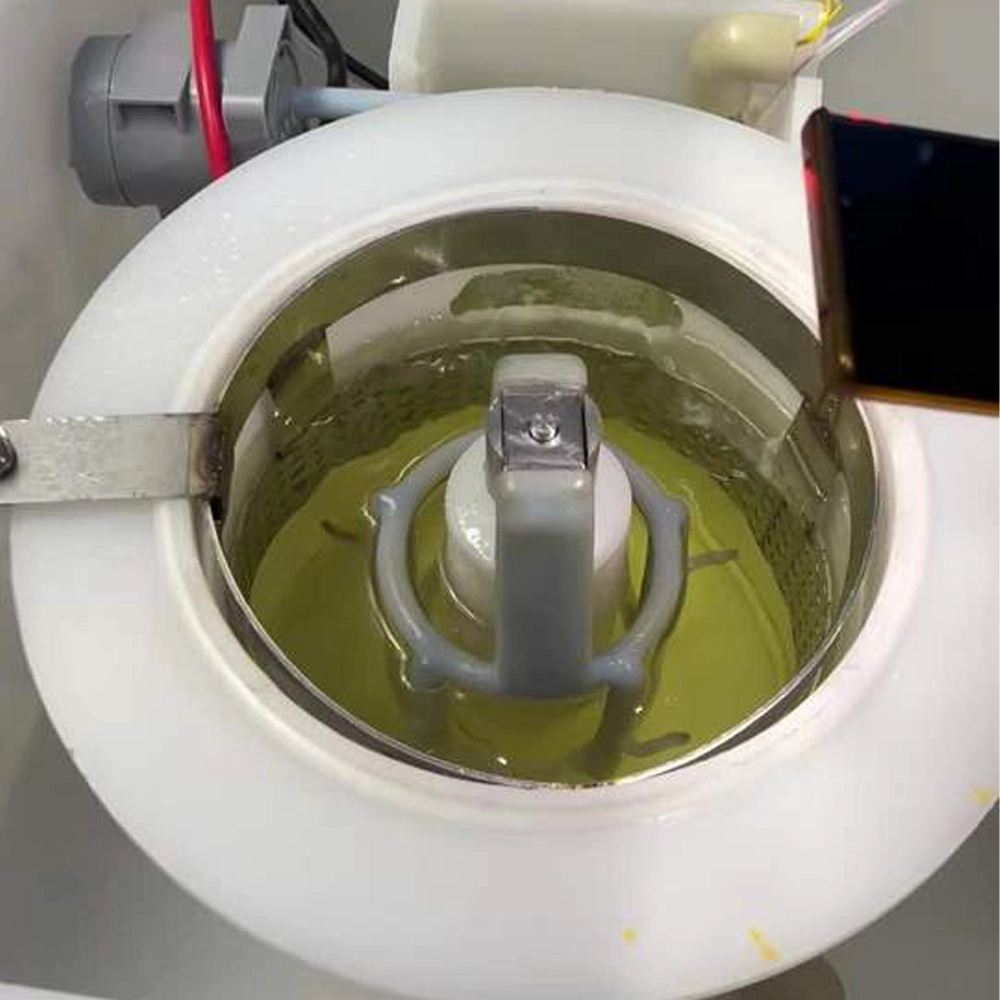
Every plating tank reaches a point where dumping looks cheaper than fighting. The senior skill is not just knowing how to re-make a bath; it is knowing when dumping is truly justified, how to clean the tank so the new bath is not poisoned, and how to bring the re-made bath back with a Hull cell gate.
This senior guide covers the full re-make cycle: dump decisions, tank and anode cleaning, re-make calculation, dummy plating, and the verification that protects the first production load.

Common Mistakes and How to Avoid Them
The pitfalls that show up most often in real projects, with the cause and the practical fix.
| Mistake | Why It Happens | Practical Fix |
|---|---|---|
| 1. Dumping on habit | Wastes good chemistry | Compare recovery and re-make cost |
| 2. Re-making over residue | New bath inherits the fault | Clean the tank fully first |
| 3. Wrong working volume | All concentrations are off | Measure actual solution volume |
| 4. Skipping dummy plate | Roughness returns in the first load | Dummy plate after make-up |
| 5. No Hull cell gate | Production is the first test | Pass a panel before any parts |
| 6. Old anodes reused dirty | Contamination returns | Clean or replace anodes |
| 7. Filters not cleaned | Particulates stay in the loop | Service filters during the dump |
| 8. First load at full size | Any error becomes a big reject | Run a small verification load |
Best Practices That Hold Up in Production
The operating disciplines that separate a reliable line from a reactive one.
- Decide dumping on cost data, not fatigue
- Clean the tank, heaters, filters and anodes during a dump
- Re-make from the actual working volume
- Dummy plate and run a Hull cell gate before production
- Follow the first re-made load closely and log it
Implementation Roadmap
A practical sequence that can be adapted to your own project.
Process Flowchart
Tank re-make flow
A step-by-step sequence with notes and cautions so every shift follows the same order.
- A re-make is only as good as the cleaning before it.
- The first load after re-make is a verification, not a celebration.
- Never re-make a bath over old sludge.
- Never send a full production load through an unverified re-made bath.
Working Data & Formula Notes
Re-make calculation data
Example logic for a re-make; replace with your own tank volume and chemical spec.
| Component / Parameter | Working Value / Role | What Changes Mean (annotation) |
|---|---|---|
| Working volume | Measured litres | Base of every concentration |
| Metal salt | g/L per spec | Scale to working volume |
| Buffer and additives | mL/L per spec | Add after salts dissolve |
| Dummy plate | 0.2-0.5 A/dm2, 2-4 hours | Removes metallic fines |
| Hull cell gate | Panel in spec | Gate before production load |
Reference Data
Specifications and references cited in this guide. Confirm final parameters with your line supplier.
Dump decision worksheet
| Recovery option | Estimated cost | Expected bath life |
| Carbon treatment | Low to medium | Weeks to months |
| Dummy plate only | Low | Only for metal fines |
| Partial dump and dilute | Medium | Extended but not full |
| Full re-make | High | Full clean bath life |
Implementation Cases
Case 1 - the bath that was dumped too late
Situation. A nickel bath had been treated with carbon twice and peroxide once, but roughness and haze kept returning. The team kept dosing until the bath was chemically imbalanced beyond recovery.
Approach. A senior reviewed the treatment history, confirmed the bath was past recovery, and planned a full dump with a cleaned tank, serviced filters and fresh anodes.
Outcome. The re-made bath passed its Hull cell gate and ran clean for months; the plant now sets a treatment budget that triggers a dump decision before the bath is ruined.
Case 2 - the re-make over residue
Situation. A zinc bath was dumped and re-made quickly to meet an order, but the tank was not cleaned. Roughness appeared in the first load because the new bath had dissolved old sludge.
Approach. The bath was dumped again, the tank fully cleaned, filters serviced, and the re-make was completed with dummy plating and a Hull cell gate.
Outcome. The second re-make passed cleanly, and tank cleaning became a non-negotiable step in every dump procedure.
Frequently Asked Questions
When should I dump a bath?
When recovery cost exceeds re-make cost and treatment history shows repeated failure.
Why clean the tank before re-making?
Old sludge and residue dissolve into the new bath and return the fault.
How do I calculate the re-make?
Use the measured working volume, not the tank nameplate, for every concentration.
What is dummy plating?
Plating at low current on scrap to remove metallic fines from a fresh bath.
Why a Hull cell gate?
A panel test proves the bath before any production part is at risk.
Should I reuse old anodes?
Only after cleaning; dirty anodes carry contamination back in.
How big should the first load be?
Small and fully checked so any error is limited.
Who approves the re-made bath?
The senior bath owner signs the Hull cell panel and the first-load record.
What Would You Like to Solve?
If you are deciding whether to treat or re-make a bath, send us the analysis history, treatment log and tank volume. We can help build the cost worksheet and re-make gate that protect your next months of production.
Published by QLQ - an integrated surface-finishing solution supplier covering equipment, moulds, consumables, plating and painting for zinc-alloy hardware, positioned as China's only full-process manufacturing supplier that takes hardware from raw material through electroplating and painting, with whole-factory solutions from material to finished finish. Values cited are project references; confirm with your line supplier before specification.