
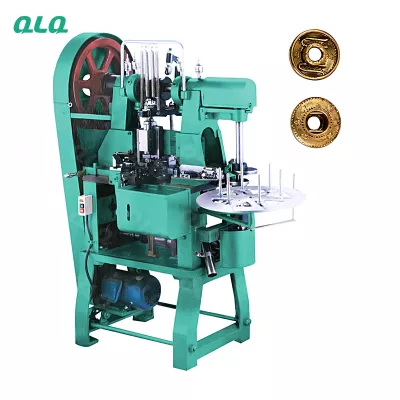
Most line faults start small: a loose terminal, a warm pump, a slow heater. The daily walk-around catches them while they are still cheap.
This junior guide covers the daily equipment check routine for rectifiers, pumps and heaters.
Common Mistakes and How to Avoid Them
The pitfalls that show up most often in real projects, with the cause and the practical fix.
| Mistake | Why It Happens | Practical Fix |
|---|---|---|
| 1. Checks skipped | Faults grow | Fixed daily route |
| 2. Rectifier cooling blocked | Overheat and trip | Check airflow and fins |
| 3. Pump noise ignored | Bearing failure | Log noise and vibration |
| 4. Leaks ignored | Chemistry loss | Check and report |
| 5. Heater not heating | Bath cold | Check elements and control |
| 6. No log | Trend invisible | Log every check |
| 7. Guards removed | Safety risk | Keep guards on |
| 8. Meters not verified | False data | Verify per schedule |
Best Practices That Hold Up in Production
The operating disciplines that separate a reliable line from a reactive one.
- Run a fixed daily walk-around
- Check rectifier cooling every day
- Listen to pumps and log changes
- Verify heater output
- Log every check and action
Implementation Roadmap
A practical sequence that can be adapted to your own project.
Process Flowchart
Daily check flow
A step-by-step sequence with notes and cautions so every shift follows the same order.
- The walk-around is the line insurance.
- Small fixes at the round are cheapest.
- Never remove guards.
- Escalate anything beyond a quick fix.
Working Data & Formula Notes
Check data
Reference values for daily equipment checks.
| Component / Parameter | Working Value / Role | What Changes Mean (annotation) |
|---|---|---|
| Rectifier cooling | Airflow clear | Blocked cooling trips |
| Pump | Normal flow and noise | Noise warns of wear |
| Heater | Reaches temperature | Cold bath drifts film |
| Log | Every check | Trend needs data |
Reference Data
Specifications and references cited in this guide. Confirm final parameters with your line supplier.
Walk-around card
| Item | Check | Action |
| Rectifier | Output, cooling | Clean, verify |
| Pumps | Flow, noise, leaks | Log and report |
| Heaters | Temperature | Check elements |
| Valves | Position and leaks | Tighten or replace |
Implementation Cases
Case 1 - a blocked rectifier that tripped at peak
Situation. A rectifier tripped every hot afternoon; the walk-around never checked its cooling fins.
Approach. Cooling fins were cleaned and the walk-around card was updated.
Outcome. Trips stopped; the cooling check is now daily.
Case 2 - a pump noise that warned early
Situation. A pump began whining; the fault was logged and the bearing was replaced before failure.
Approach. Noise and vibration were logged on the walk-around card.
Outcome. The pump survived to the planned change; the log caught it early.
Frequently Asked Questions
Why a fixed route?
A fixed route ensures every item is checked every day.
Why check rectifier cooling?
Blocked cooling overheats and trips the rectifier at the worst time.
Why listen to pumps?
Noise and vibration change before failure; the log catches the trend.
Why verify heater output?
A cold bath drifts the film before the alarm sounds.
Why log everything?
The log turns daily checks into a trend.
Why keep guards on?
Guards are the safety line; never remove them.
What do I escalate?
Anything beyond a quick fix, immediately.
How long is the round?
As long as the line needs; the card sets the pace.
Who owns the card?
The maintenance technician, reviewed weekly.
What Would You Like to Solve?
Tell us your line equipment list. We can help build the daily walk-around card and the check log for your line.
Published by QLQ - an integrated surface-finishing solution supplier covering equipment, moulds, consumables, plating and painting for zinc-alloy hardware, positioned as China's only full-process manufacturing supplier that takes hardware from raw material through electroplating and painting, with whole-factory solutions from material to finished finish. Values cited are project references; confirm with your line supplier before specification.