
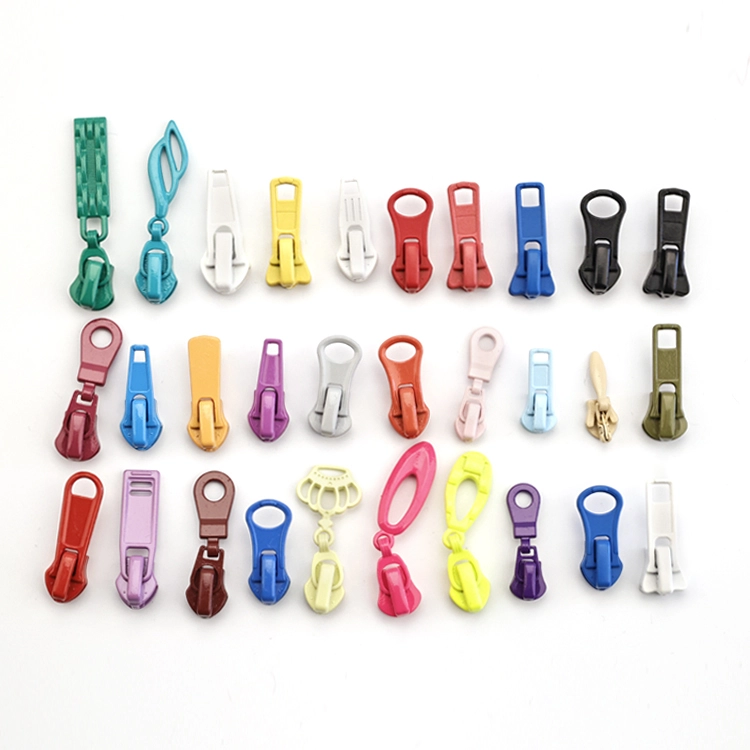
At five years, a cold painter owns the specialty finishes: texture and effect coats, edge coverage on complex parts and booth control. These are the areas an intermediate fixes alone.
This guide covers texture effects, edge coverage and booth control on cold-painted hardware.

Common Mistakes and How to Avoid Them
The pitfalls that show up most often in real projects, with the cause and the practical fix.
| Mistake | Why It Happens | Practical Fix |
|---|---|---|
| 1. Hand position drift | Uneven coats | Use guides |
| 2. Booth temperature swings | Effects change | Hold the window |
| 3. Effect sample expired | Comparison drifts | Renew masters |
| 4. Thinner by eye | Viscosity drift | Measure per TDS |
| 5. No batch retention | Disputes | Keep samples |
| 6. Gun not cleaned between effects | Contamination | Clean per change |
| 7. Fixing by feel | The cause stays hidden | Measure and verify before changing |
| 8. Changing two variables | Cause unclear | Change one, prove one |
| 9. No before-and-after records | Cannot judge the fix | Keep reference data |
Best Practices That Hold Up in Production
The operating disciplines that separate a reliable line from a reactive one.
- Hold booth temperature
- Measure thinner per TDS
- Clean the gun between effects
- Keep effect masters current
- Measure before changing
- Keep before-and-after records
Implementation Roadmap
A practical sequence that can be adapted to your own project.
Process Flowchart
Intermediate cold painting flow
A step-by-step sequence with notes and cautions so every shift follows the same order.
- Effect masters make judgment a standard.
- Edges decide complex parts.
- Effect chemicals need MSDS care.
- Booth lights need calibration.
Working Data & Formula Notes
Working data - intermediate cold painting
Reference controls for effect cold painting.
| Component / Parameter | Working Value / Role | What Changes Mean (annotation) |
|---|---|---|
| Effect film | Per TDS | Thick cracks, thin fails. |
| Viscosity | Per batch at booth temp | Effects follow it. |
| Booth temperature | Per shift | Effects shift with it. |
| Edge film | Map and hold | Complex parts fail there. |
| dE and effect | vs master | The acceptance standard. |
Reference Data
Specifications and references cited in this guide. Confirm final parameters with your line supplier.
Problem to check
| Crackle fails | Film or viscosity | Per TDS |
| Thin edges | Coverage not mapped | Edge film map |
| Effect drift | Booth temperature | Hold booth temp |
| Runs | Film too thick | Reduce build |
| Colour shift | dE vs master | Light booth |
Implementation Cases
Case 1 - crackle that stopped cracking
Situation. Crackle effect stopped appearing on one shift.
Approach. Viscosity and film were off the TDS. Both were restored.
Outcome. The effect returned.
Case 2 - edge failures on complex parts
Situation. Complex catches failed coverage at edges.
Approach. Edge film was mapped and the gun path adjusted.
Outcome. Edge coverage passed.
Frequently Asked Questions
What controls texture effects?
Application: gun, viscosity, film and booth temperature, per the effect TDS.
Why do edges fail?
Complex geometry needs mapped coverage. Check edge film, not just faces.
Why does my effect drift?
Booth temperature, viscosity or cure. Check them in order.
How thick should effect coats be?
Per the effect TDS. Thick cracks, thin fails.
When should I check viscosity?
Per batch at booth temperature.
What is an effect master?
An approved sample that makes the effect a standard.
Why profile cure?
Cure drift changes the same effect batch to batch.
What does an intermediate own?
Texture effects, edge coverage and booth control - three areas.
What Would You Like to Solve?
Follow the effect TDS, map the edges and hold the booth. Own these three and the specialty finishes stay repeatable.
Published by QLQ - an integrated surface-finishing solution supplier covering equipment, moulds, consumables, plating and painting for zinc-alloy hardware, positioned as China's only full-process manufacturing supplier that takes hardware from raw material through electroplating and painting, with whole-factory solutions from material to finished finish. Values cited are project references; confirm with your line supplier before specification.