
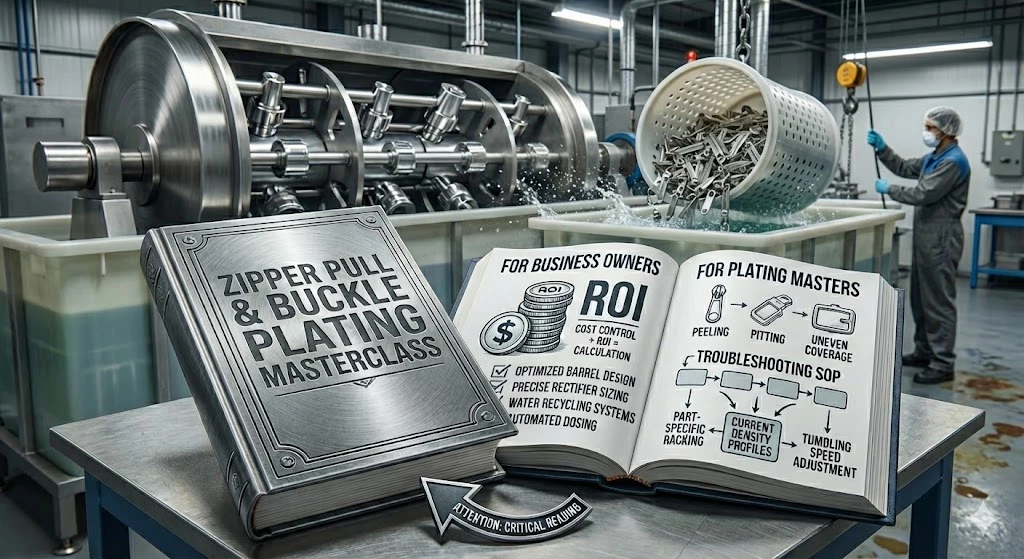
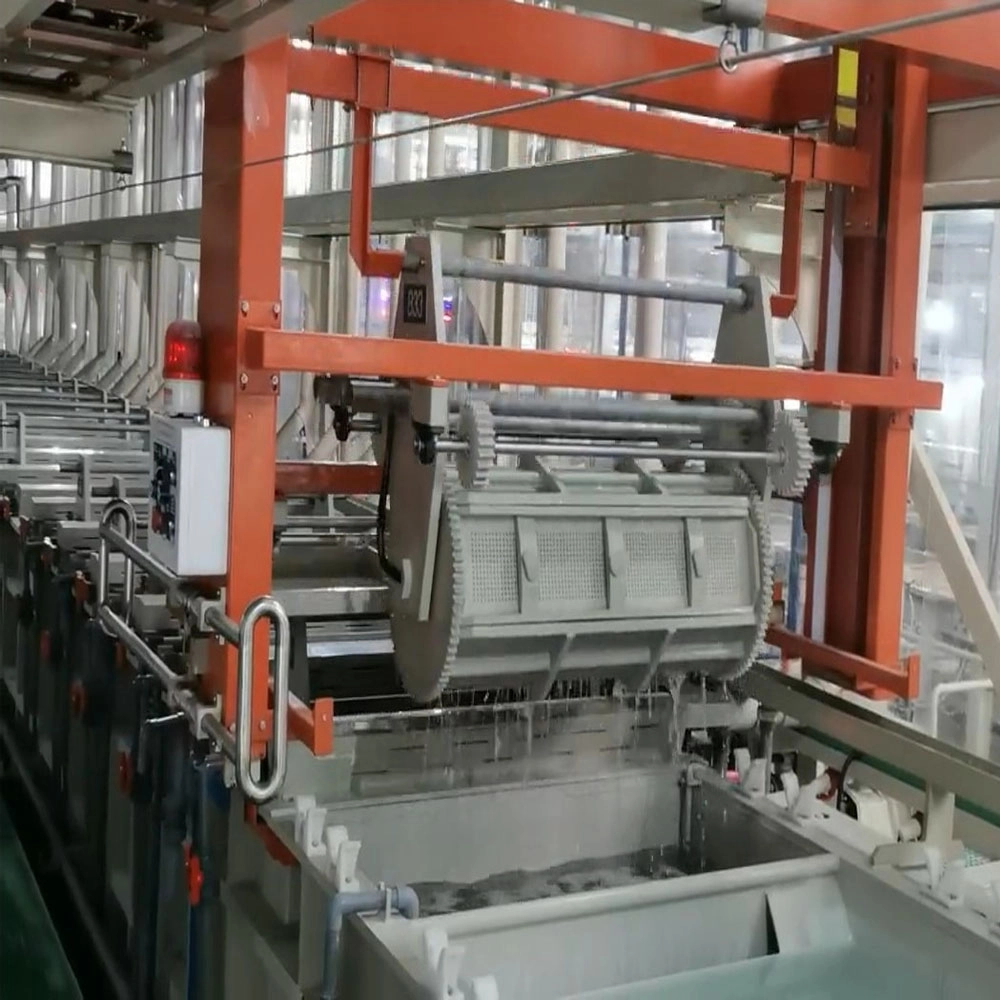
A barrel line consumes brightener and metal by ampere-hours, not by calendar days. Lines that dose by guess drift until the deposit changes and the rejects arrive.
This senior guide covers ampere-hour metering, dosing by consumption, the drift check sequence and the record that links bath use to deposit quality.
Common Mistakes and How to Avoid Them
The pitfalls that show up most often in real projects, with the cause and the practical fix.
| Mistake | Why It Happens | Practical Fix |
|---|---|---|
| 1. Dosing by calendar | Consumption varies | Dose by AH meter |
| 2. AH meter uncalibrated | False consumption | Calibrate monthly |
| 3. Top-ups unlogged | Drift untraceable | Log every addition |
| 4. Hull cell skipped | Drift hidden until rejects | Run per shift or per AH |
| 5. Brightener over-added | Haze and ductility loss | Follow consumption tables |
| 6. Metal balance ignored | Deposit changes slowly | Analyse and balance weekly |
| 7. Records split by shift | Trend lost | One shared log |
| 8. No weekly review | Drift returns | Review AH and dose weekly |
Best Practices That Hold Up in Production
The operating disciplines that separate a reliable line from a reactive one.
- Meter ampere-hours per barrel
- Dose additives by consumption
- Log every top-up with time and amount
- Run hull cell checks on schedule
- Review the AH and dose trend weekly
Implementation Roadmap
A practical sequence that can be adapted to your own project.
Process Flowchart
AH governance flow
A step-by-step sequence with notes and cautions so every shift follows the same order.
- Additive consumption tracks ampere-hours.
- The hull cell shows drift before the line does.
- Never trust an uncalibrated meter.
- Over-dosing brightener causes haze.
Working Data & Formula Notes
AH tracking data
Reference values for barrel nickel and zinc systems.
| Component / Parameter | Working Value / Role | What Changes Mean (annotation) |
|---|---|---|
| Dose basis | Per 1000 AH | Consumption varies by load |
| Hull cell | Per shift or per AH | Drift shows early |
| Analysis | Weekly | Metal balance drifts slowly |
| Review | Weekly | Trend keeps dosing honest |
Reference Data
Specifications and references cited in this guide. Confirm final parameters with your line supplier.
AH log example
| Shift | AH run | Top-up ml | Hull cell result |
| Day | Logged | Logged | Logged |
| Night | Logged | Logged | Logged |
| Week total | Logged | Logged | Reviewed |
Implementation Cases
Case 1 - calendar dosing that drifted a nickel bath
Situation. A line dosed brightener every morning regardless of production; a slow week over-dosed the bath and haze appeared.
Approach. Dosing moved to ampere-hour consumption tables, and the hull cell became a daily gate.
Outcome. Haze cleared within days and the AH log explained exactly when the drift started.
Case 2 - an uncalibrated meter that doubled dosing
Situation. Rejects rose after the meter read 40% low for a month; the line was dosing more brightener than the bath used.
Approach. The meter was calibrated monthly from then on, and consumption tables were rebuilt from measured data.
Outcome. Dosing returned to the table and rejects fell; the calibration date is now on the meter card.
Frequently Asked Questions
Why track ampere-hours?
Additives and metal are consumed by current; AH is the true usage measure.
How do I dose by consumption?
Use the supplier's consumption per 1000 AH and adjust from your hull cell and analysis results.
Why not dose by calendar?
Production varies; calendar dosing over- or under-adds on slow or heavy weeks.
How often run a hull cell?
At least per shift, or per a set AH interval; it shows drift before rejects.
What if the meter is wrong?
Recalibrate monthly and rebuild consumption tables from measured data.
Why log every top-up?
The log is the only way to trace a drift back to a date and amount.
What is metal balance?
The metal added vs metal plated; imbalance changes deposit quality slowly.
Why one shared log?
Split shift logs lose the trend; one log keeps the week readable.
When adjust the tables?
After a week of data that consistently differs from the table.
What Would You Like to Solve?
Send us your bath type, additive consumption data and current dosing method. We can build the AH log, consumption tables and hull cell schedule for your line.
Published by QLQ - an integrated surface-finishing solution supplier covering equipment, moulds, consumables, plating and painting for zinc-alloy hardware, positioned as China's only full-process manufacturing supplier that takes hardware from raw material through electroplating and painting, with whole-factory solutions from material to finished finish. Values cited are project references; confirm with your line supplier before specification.