
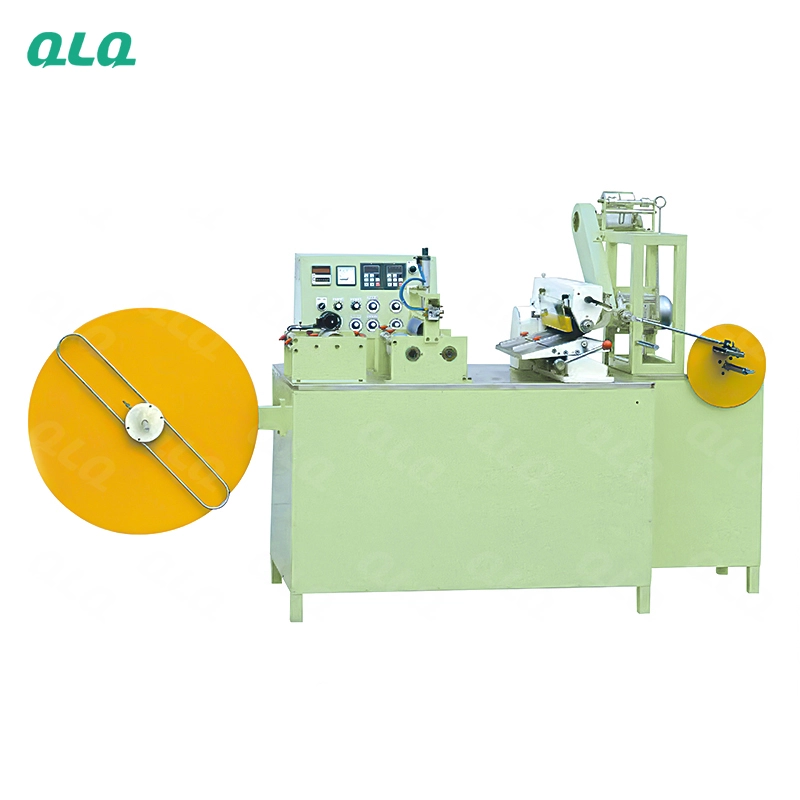
A quality department runs on standards: written criteria, enforced gates and a release rule that everyone follows. Without them, quality depends on the inspector on duty.
This management guide covers quality department standards, gates and audit.

Common Mistakes and How to Avoid Them
The pitfalls that show up most often in real projects, with the cause and the practical fix.
| Mistake | Why It Happens | Practical Fix |
|---|---|---|
| 1. Criteria in heads | Varies by inspector | Write per part |
| 2. Gates informal | Faults pass | Written gates |
| 3. No release rule | Disputes | One rule |
| 4. Audit skipped | Standards decay | Monthly audit |
| 5. Review skipped | Trends missed | Weekly review |
| 6. Inspectors untrained | Inconsistent | Training ladder |
| 7. Instruments uncalibrated | False data | Calibrate |
| 8. No escalation path | Faults run | Written path |
Best Practices That Hold Up in Production
The operating disciplines that separate a reliable line from a reactive one.
- Write criteria per part
- Enforce written gates
- Publish one release rule
- Audit standards monthly
- Review trends weekly
Implementation Roadmap
A practical sequence that can be adapted to your own project.
Process Flowchart
Department flow
A step-by-step sequence with notes and cautions so every shift follows the same order.
- Written criteria make inspection consistent.
- The release rule ends disputes.
- Never let inspectors judge unwritten criteria.
- Audit instruments and people together.
Working Data & Formula Notes
Standards data
Reference values for quality department management.
| Component / Parameter | Working Value / Role | What Changes Mean (annotation) |
|---|---|---|
| Criteria | Written per part | Consistency |
| Gates | First, in-line, final | Faults stopped early |
| Release rule | One written rule | No disputes |
| Audit | Monthly | Standards stay real |
Reference Data
Specifications and references cited in this guide. Confirm final parameters with your line supplier.
Gate card
| Gate | Check | Who |
| First article | Per criteria | Inspector |
| In-line | Per plan | Inspector |
| Final | Per criteria | QC |
| Release | Per rule | QC plus supervisor |
Implementation Cases
Case 1 - criteria in heads
Situation. Three inspectors judged the same defect differently because criteria were never written.
Approach. Criteria were written per part and inspectors were trained to the card.
Outcome. Judgements matched; the written card became the standard.
Case 2 - a release rule that ended disputes
Situation. Batches were released by different rules on different shifts, causing customer disputes.
Approach. One written release rule was published and enforced at the final gate.
Outcome. Disputes ended; the rule is now on the final gate card.
Frequently Asked Questions
Why write criteria?
Written criteria make inspection consistent across people and shifts.
What gates?
First article, in-line and final, each with written checks.
What is the release rule?
One written rule for when a batch may ship.
Why audit?
Audits keep standards from decaying.
Why a training ladder?
Trained inspectors judge consistently.
Why calibrate?
False instruments make false gates.
What is the escalation path?
A written path from inspector to supervisor to management.
How often review?
Weekly trends, monthly audit.
Who owns the standards?
Quality management, with the line following them.
What Would You Like to Solve?
Tell us your part types and current criteria. We can help write the standards, gates and release rule for your quality department.
Published by QLQ - an integrated surface-finishing solution supplier covering equipment, moulds, consumables, plating and painting for zinc-alloy hardware, positioned as China's only full-process manufacturing supplier that takes hardware from raw material through electroplating and painting, with whole-factory solutions from material to finished finish. Values cited are project references; confirm with your line supplier before specification.