
Why this keeps coming up
Zinc Diecast Blisters is one of the recurring questions on finishing forums — and answers online usually jump to a single fix. There isn't one: the symptom has several causes, each confirmed differently, each fixed differently. This is the diagnostic sequence our lines run.
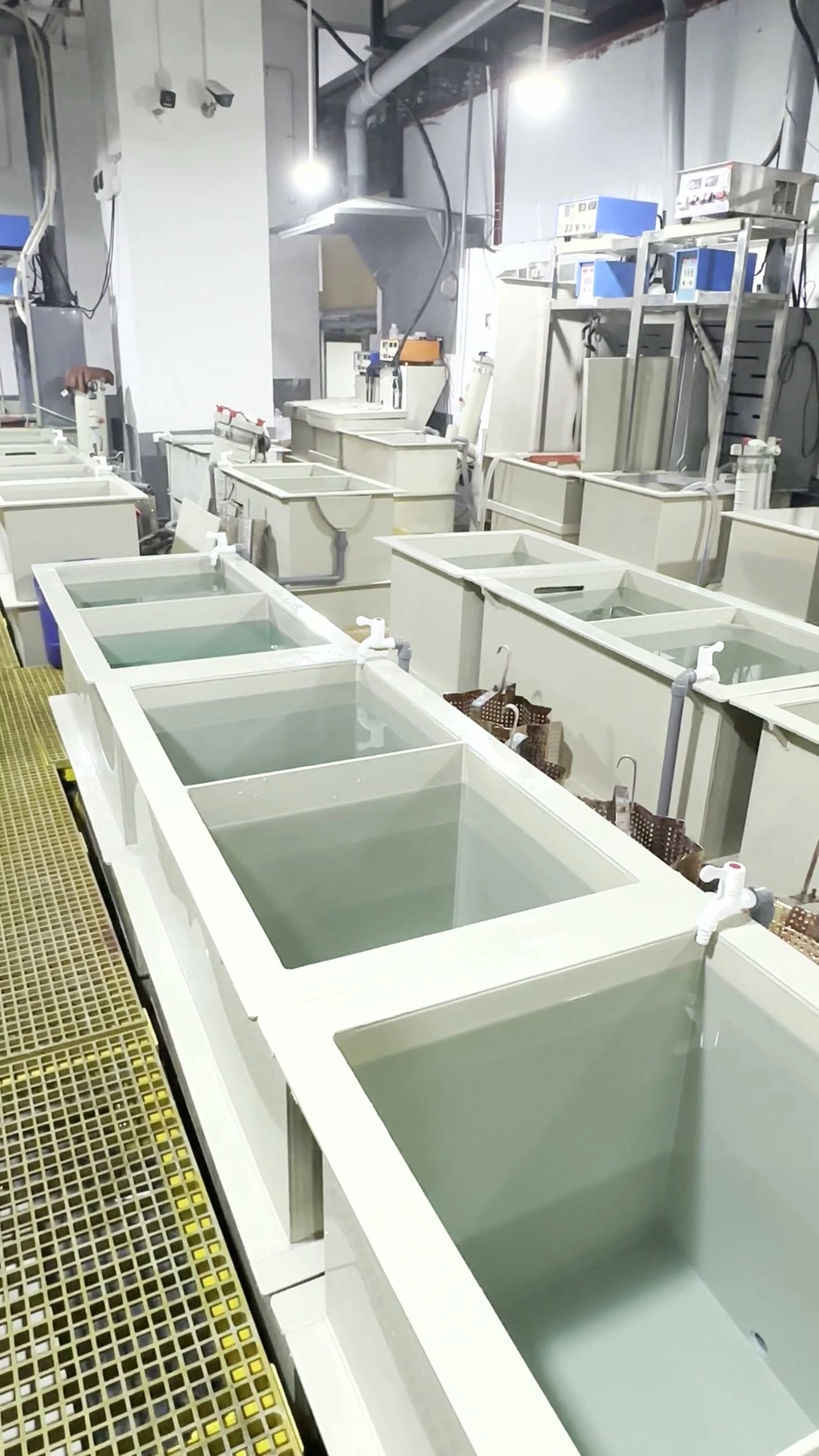
Triage: symptom → confirm → first move
| Blister pattern | Likely root | Confirm by | First move |
|---|---|---|---|
| After plating bake only | Sub-surface porosity out-gassing | 200 °C re-bake test | Quarantine casting lot |
| Random single blisters | Oil or wax under deposit | Blister cross-section | Pre-clean audit |
| Edges and thin walls | Over-etch or acid dwell | Etch weight loss check | Cut acid time, verify strike |
| On flat faces in rows | Air trapped by rack angle | Position map | Re-rack angle 10–20° |
| Whole lot, every load | Casting gas content | Density / lot tag audit | Push back to foundry |
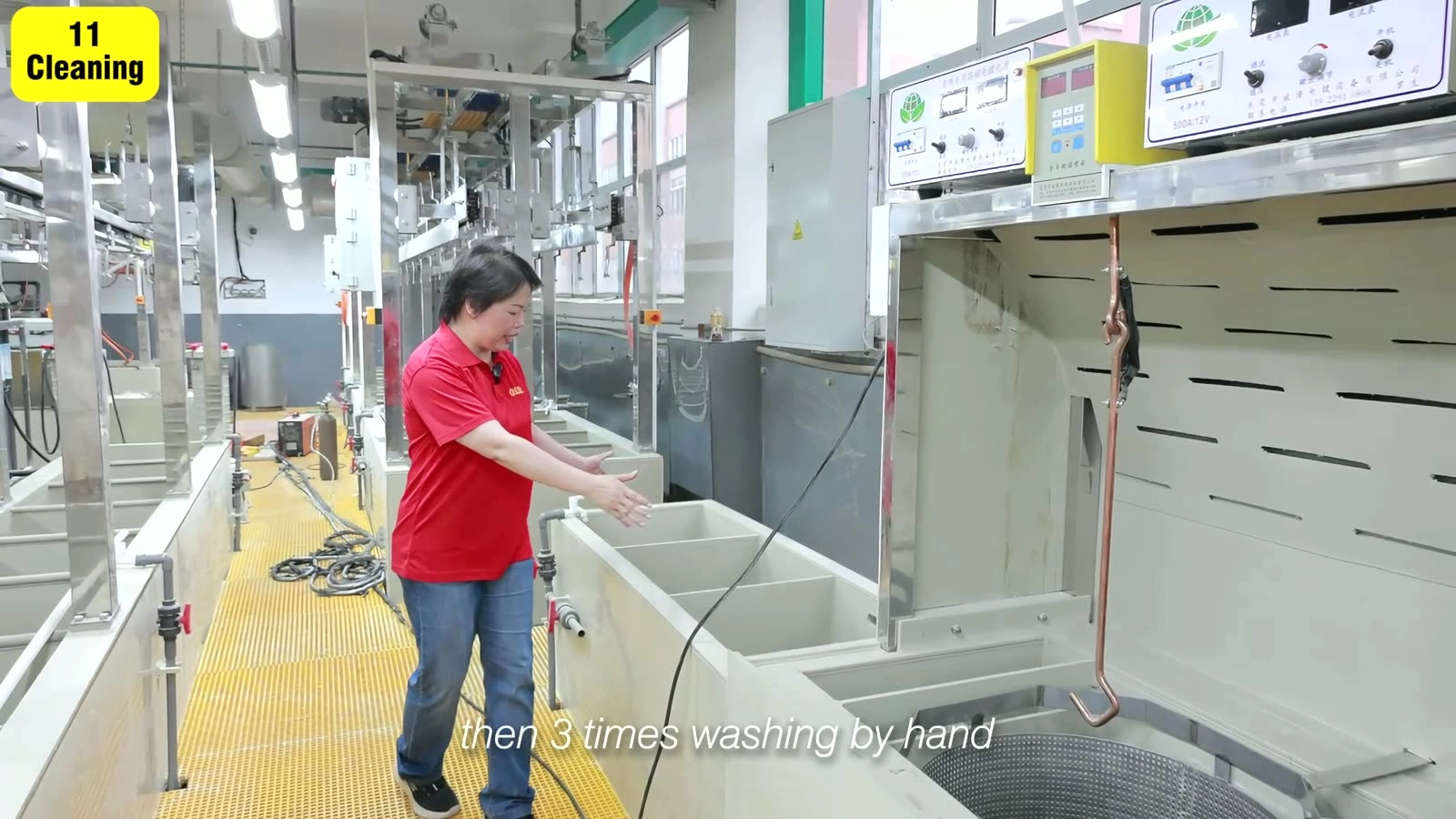
The fix set with windows
- Fix 1 — bake gate — 100–110 °C × 1–2 h pre-plate bake; 200 °C test bake for release of new lots
- Fix 2 — strike discipline — Copper strike first on zinc; never acid pickle raw zinc diecast
- Fix 3 — etch control — Mild alkaline clean; acid contact seconds only, by weight-loss check
- Fix 4 — transfer wet — Never let parts dry between stages; dry film = blister seed
- Fix 5 — supplier gate — Bake-test first articles of every new casting lot; density audit on suspicion
Case method
A hardware line saw blisters appear only after its own bake step. The 200 °C test bake on first articles of each new casting lot moved rejection upstream: foundries with high gas porosity were rejected before plating, and blister escapes to packing fell to single digits per month. (Method illustration: keep your own bake window data.)
On the floor: recognise, record, escalate
| You see | You do | You never do |
|---|---|---|
| Blister after bake | Photograph, tag lot, call senior | Press the blister flat |
| Single blister mid-face | Note position, check pre-clean | Re-plate without cleaning |
| Edge blisters | Record acid station time | Extend acid to 'clean' more |
| Blister shows casting metal | Quarantine the lot | Blame the plating bath |
Engineer notes
- One variable per corrective action; verify with the confirm-by column.
- Records beat memory: log every trial on the tank card.
- Two failed actions in a row is a senior call — escalate with your log.
Safety: bake ovens hold hot parts; hydrogen from pickled parts is real. Heat gloves, face shield, never load pickled zinc straight into a hot oven.
FAQ
Why do blisters appear only after baking?
Heat expands trapped gas from casting porosity under the deposit. The blister was born in the metal, not the bath.
Acid pickle or alkaline clean for zinc diecast?
Alkaline. Acid attacks the zinc surface and seeds blisters; acid contact should be seconds if ever.
Copper strike parameters on zinc diecast?
Alkaline copper strike, low CD start, full immersion contact; check first-article adhesion by bend test.
Who pays for porosity blisters?
The casting, when your bake gate and lot tags are in order. Records move the cost upstream.