

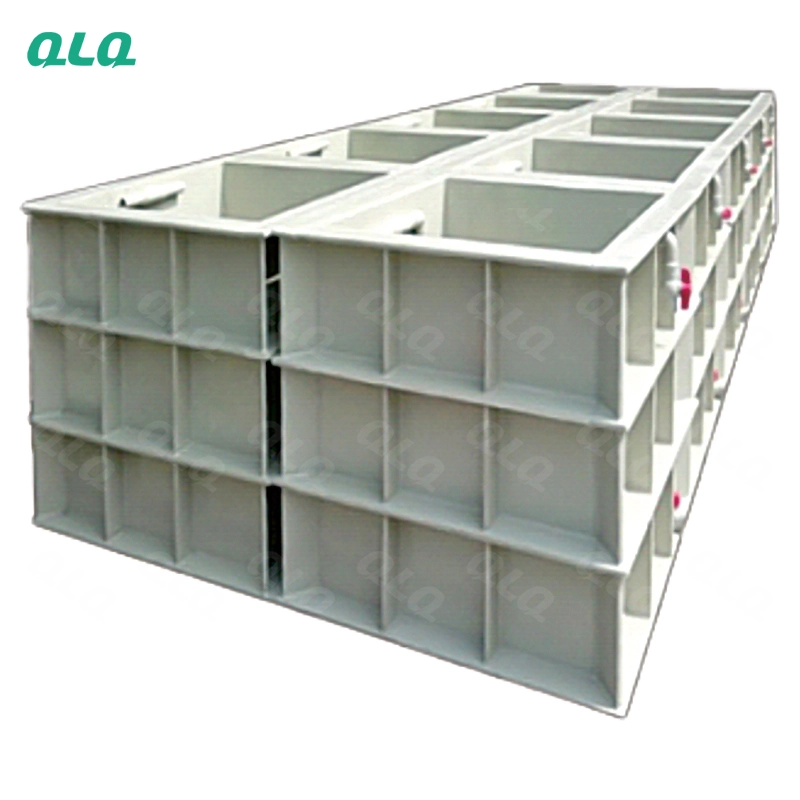
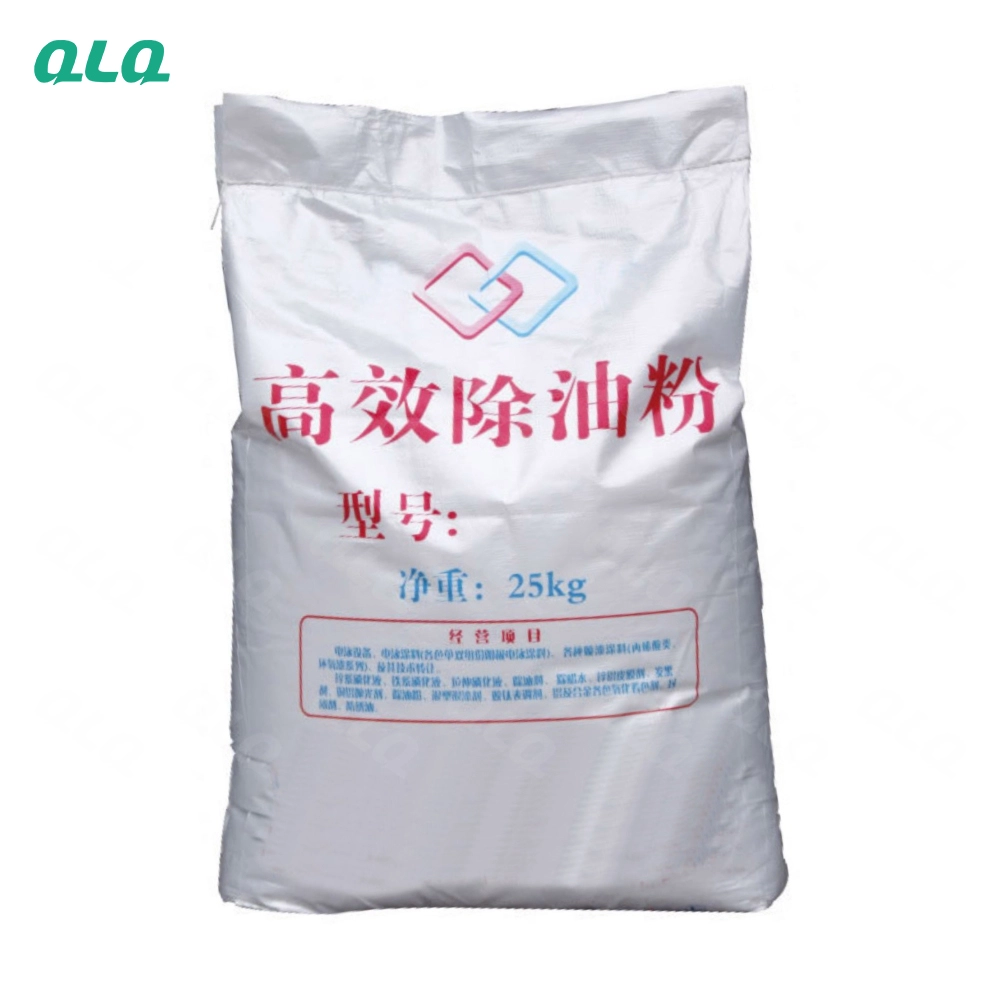
Pre-treatment chemicals clean parts and burn people with equal efficiency. Juniors who handle acids and degreasers safely protect themselves and the line.
This junior guide covers chemical handling and safety: PPE, sampling rules, container care and spill response.
Common Mistakes and How to Avoid Them
The pitfalls that show up most often in real projects, with the cause and the practical fix.
| Mistake | Why It Happens | Practical Fix |
|---|---|---|
| 1. No gloves | Chemical burns | PPE before work |
| 2. Pipetting by mouth | Poisoning risk | Use a bulb |
| 3. Unlabelled containers | Wrong chemical | Label everything |
| 4. Water into acid | Splash and heat | Add acid to water |
| 5. Spill ignored | Exposure spreads | Contain and report |
| 6. Fumes breathed | Lung irritation | Use extraction |
| 7. Wash after splash | Skin damage | Flush immediately |
| 8. PPE left off | Routine risk | Check before each tank |
Best Practices That Hold Up in Production
The operating disciplines that separate a reliable line from a reactive one.
- Wear full PPE at chemical tanks
- Never taste or pipette by mouth
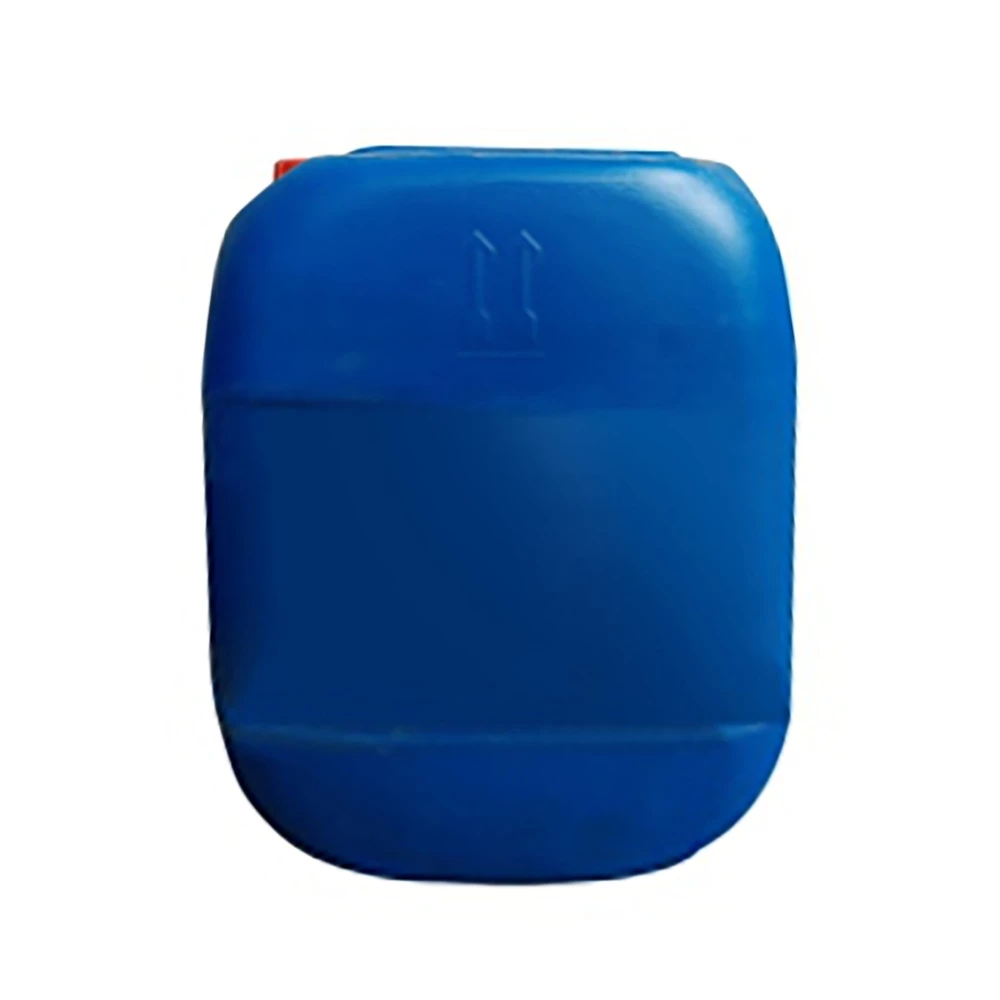
- Label and seal every container
- Always add acid to water
- Respond to spills immediately
Implementation Roadmap
A practical sequence that can be adapted to your own project.
Process Flowchart
Chemical safety flow
A step-by-step sequence with notes and cautions so every shift follows the same order.
- Sampling is a chemical task, not a taste test.
- Extraction keeps fumes away from lungs.
- Never pipette by mouth.
- Eye wash must be within reach.
Working Data & Formula Notes
Safety data
Reference rules for chemical handling.
| Component / Parameter | Working Value / Role | What Changes Mean (annotation) |
|---|---|---|
| PPE | Gloves, eyes, apron | First line of defence |
| Mixing | Acid to water | Reverse order splashes |
| Labels | Always | Wrong chemical = burn |
| Spill | Immediate | Contain and report |
Reference Data
Specifications and references cited in this guide. Confirm final parameters with your line supplier.
Chemical safety card
| Chemical | PPE | Mixing rule |
| Acid | Full PPE | Add to water |
| Alkaline | Gloves + eyes | Slow |
| Degreaser | Gloves | Ventilated |
Implementation Cases
Case 1 - a splash that burned because PPE was off
Situation. An operator removed gloves to tighten a valve and was splashed; the burn stopped the line for a shift.
Approach. PPE checks were added before any tank work and gloves were kept at each station.
Outcome. No further burns; the PPE check is now part of start-up.
Case 2 - an unlabelled bottle that hit the wrong tank
Situation. A cleaner was poured into the acid tank because the bottle label had worn off; the bath was contaminated.
Approach. All containers were re-labelled and a label check was added before pouring.
Outcome. No more wrong pours; the label check became a habit.
Frequently Asked Questions
Why full PPE?
Pre-treatment chemicals burn skin and eyes; PPE is the first line of defence.
Why not pipette by mouth?
Chemicals are poisonous; always use a bulb.
Why add acid to water?
Adding water to acid releases heat and splashes; acid into water is safer.
Why label containers?
An unlabelled bottle can contaminate the wrong tank and burn someone.
What if I am splashed?
Flush the area with water immediately and report; eye wash must be close.
Why use extraction?
Fumes irritate lungs; extraction keeps the air safe.
How do I respond to a spill?
Contain it, alert others, clean per the chemical sheet and report.
Who checks PPE?
Every operator before tank work; the supervisor enforces it.
What Would You Like to Solve?
Tell us your chemical list and current PPE practice. We can help build the handling and spill-response card for your pre-treatment line.
Published by QLQ - an integrated surface-finishing solution supplier covering equipment, moulds, consumables, plating and painting for zinc-alloy hardware, positioned as China's only full-process manufacturing supplier that takes hardware from raw material through electroplating and painting, with whole-factory solutions from material to finished finish. Values cited are project references; confirm with your line supplier before specification.