

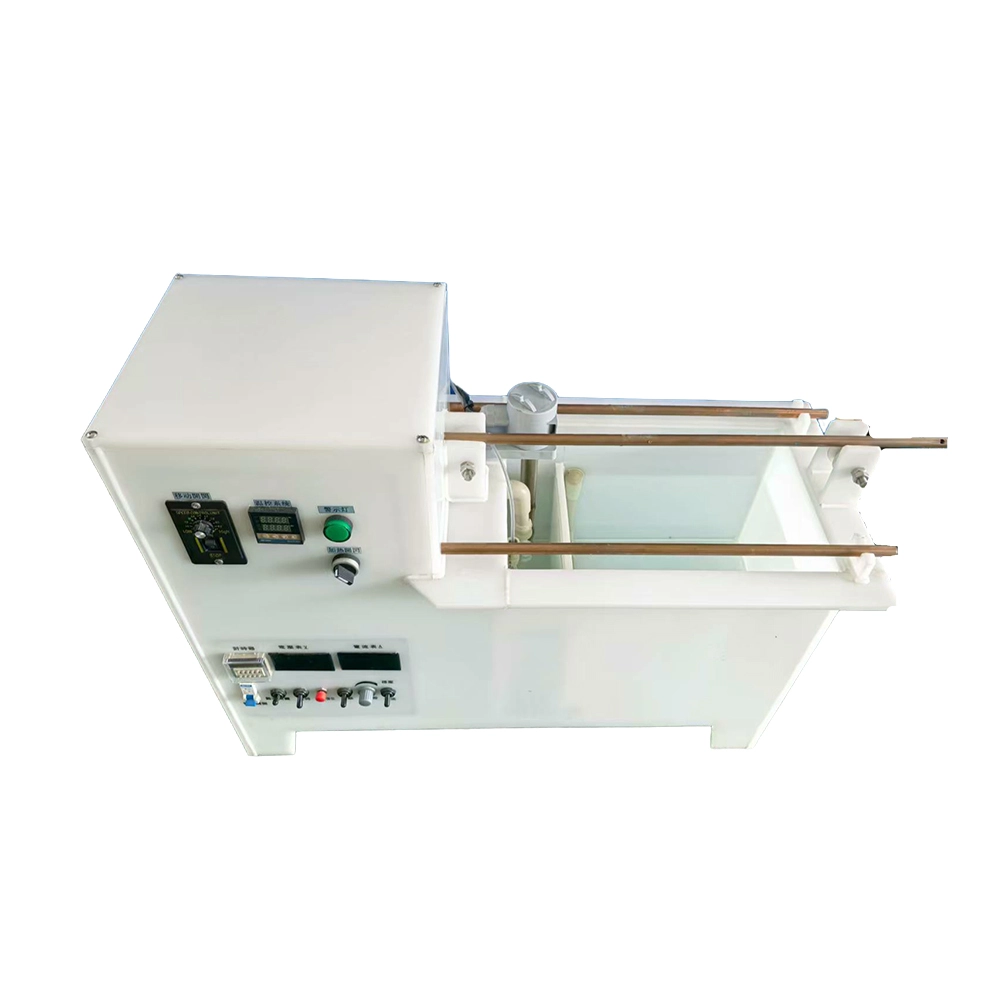
Pinholes appeared on 9 percent of cast parts the week a new casting batch arrived, and the booth parameters had not changed. The fault sat upstream, in the casting and pretreatment chain.
This senior case guide traces pinholes in order: casting porosity, moisture, pretreatment salts, outgassing in the cure oven and the powder itself.
Common Mistakes and How to Avoid Them
| Mistake | Why It Happens | Practical Fix |
|---|---|---|
| 1. Booth blamed first | Upstream cause missed | Check casting and pretreatment first |
| 2. Porosity not inspected | Gas pockets under powder | Inspect incoming castings |
| 3. Oven setpoint trusted | Metal temperature differs | Verify with a data logger |
| 4. Moisture in preheat | Steam bursts through film | Dry and cool before coating |
| 5. Pretreatment salts left | Blister and pinhole seeds | Full rinse check |
| 6. Degassing skipped | Castings hold gas | Add a degassing cycle |
| 7. Thick film hides porosity | Fault appears after cure | Control film build |
| 8. One batch, one conclusion | Pattern needs repeats | Log casting with coating batch |
| 9. Powder blamed without test | Supplier test misleads | Test powder on a clean panel |
Best Practices
- Log casting batch numbers with coating batches
- Inspect incoming castings for porosity
- Degas porous castings before coating
- Verify metal temperature with a data logger
- Confirm full rinse after pretreatment
- Test powder on a clean panel to isolate the cause
Implementation Roadmap
| Step | Frequency |
|---|---|
| Confirm the pattern | Batch, timing, location |
| Check the casting | Porosity, surface, batch |
| Check pretreatment | Rinse, salts, drying |
| Check cure | Metal temperature profile |
| Isolate the powder | Clean panel test |
Pinhole trace flow
- Pattern - Batch, timing, location. (One batch cannot prove a cause.)
- Casting - Porosity and surface. (Gas pockets open in the oven.)
- Chain - Pretreatment and drying. (Salts and moisture seed pinholes.)
- Isolate - Clean panel test. (Powder is the last suspect.)
Pinholes that follow a casting batch are rarely a booth fault. | Gas escapes during cure while the film is molten.
Pinhole trace data
Reference values for cross-process pinhole tracing on castings.
| Parameter | Reference | Why It Matters |
|---|---|---|
| Casting porosity | Inspect incoming surface | Gas pockets open at cure |
| Degassing | Preheat 30 min at 150-180°C | Lets surface gas escape |
| Pretreatment rinse | Full rinse, no salts | Salt residue seeds blisters |
| Drying | Dry before coating | Moisture bursts through film |
| Metal temperature | 180-200°C for 10-15 min | Oven setpoint differs from part |
| Film thickness | 60-80 μm | Thick film traps gas longer |
| Isolation test | Powder on clean panel | Separates powder from substrate |
Pinhole source map
| Pattern | Source | Check |
|---|---|---|
| All parts, new batch | Casting porosity | Incoming inspection |
| One rack position | Pretreatment drag-out | Rinse and hooks |
| Wet season only | Moisture | Drying and humidity |
| Random across lots | Powder lot | Clean panel test |
Cure profile verification
| Point | Oven setpoint | Metal target |
|---|---|---|
| Entry zone | Higher zone | Ramp to metal temp |
| Mid oven | 200°C | 180-200°C metal |
| Exit | Cooling | Hold 10-15 min at metal |
Case 1 - 9 percent pinholes traced to a porous casting batch
Scenario. Pinholes appeared on 9 percent of cast housings within days of a new casting batch; booth settings and powder were unchanged.
Action. Incoming castings were inspected for porosity, a 30-minute degassing preheat at 170°C was added, and casting batch numbers joined the coating log.
Result. Pinholes dropped below 0.5 percent, and the next porous lot was caught at goods-in.
Case 2 - seasonal pinholes from damp pretreatment in Turkey
Scenario. A Turkish plant saw pinhole blisters every wet season on the same parts, while the oven setpoint never changed.
Action. Part metal temperature was logged with a data logger, drying time was extended, and the pretreatment rinse was verified for salt carry-over.
Result. Seasonal pinholes disappeared, and the cure profile is now part of the shift check.
Frequently Asked Questions
Why do pinholes follow a casting batch?
Surface porosity in the casting opens as gas escapes during cure.
What is the first check?
The pattern: which batch, which position, which season.
How to inspect porosity?
Incoming surface inspection and a degassing trial on suspect lots.
Why degas castings?
Preheating at 150-180°C lets surface gas escape before the powder melts.
Does moisture cause pinholes?
Yes - steam bursts through the molten film and leaves craters.
Why verify metal temperature?
Oven setpoint differs from part temperature; the cure profile needs data.
How to isolate the powder?
Spray the same powder on a clean steel panel and cure it.
Can thick film hide porosity?
It delays the gas, not the fault; porosity still opens during cure.
What log prevents repeats?
Casting batch, pretreatment date and coating batch on one card.
What Would You Like to Solve?
Send the batch pattern, casting inspection results and your cure profile data, and the trace usually ends at casting or drying.