

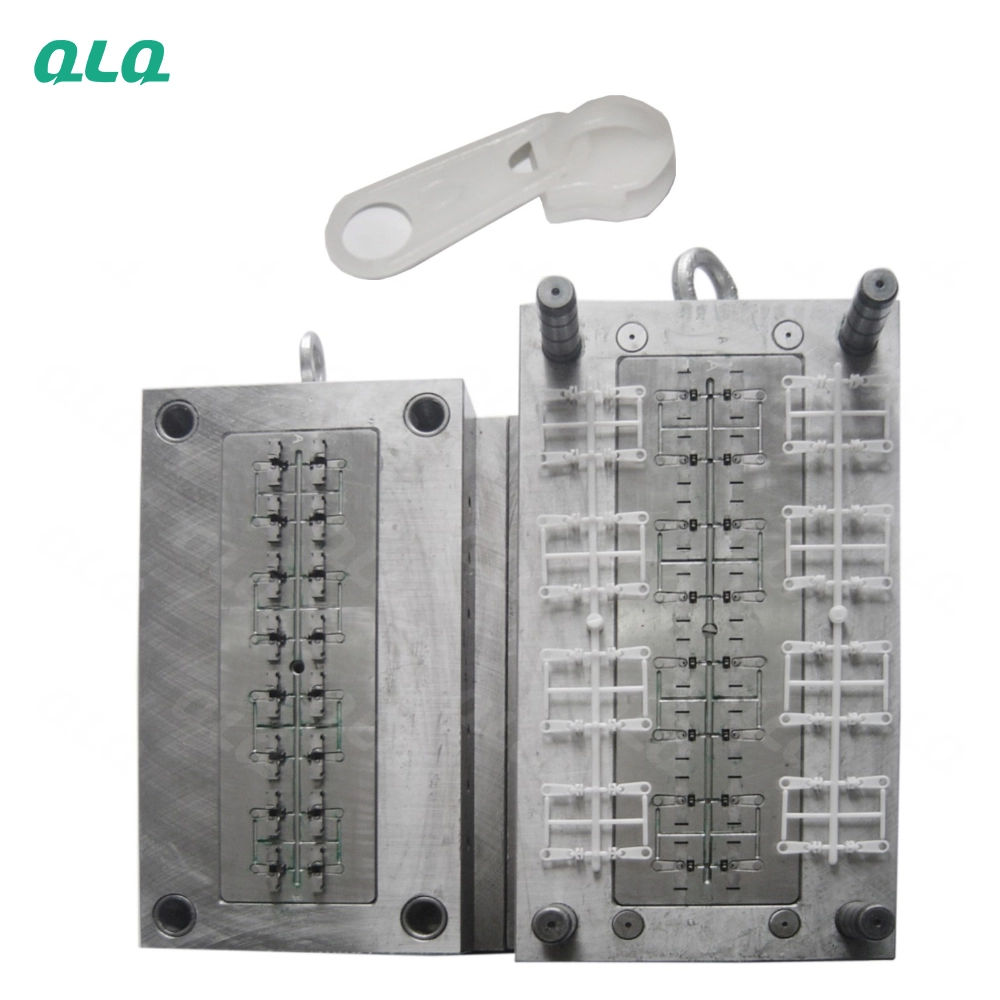
Die-cast zinc lamp housings passed adhesion checks at the booth, then lost paint around the fixing points after assembly; 11 percent of delivered lots came back within two months. The film was fine, the interface was not.
This case study traces the full chain that failed: porous die-cast substrate, an intermittent zinc phosphating step, and a 2K PU cure running at 50°C. It shows the isolation tests, the cure verification and the gates that cut the failure rate to 0.5 percent.
Common Mistakes and How to Avoid Them
| Mistake | Why It Happens | Practical Fix |
|---|---|---|
| 1. Adhesion blamed on the paint | The substrate fault stays hidden | Test crosshatch on the bare substrate first |
| 2. Die-cast porosity ignored | Trapped gas and oil lift the film later | Grind, degas and seal before priming |
| 3. Phosphating skipped on some batches | The conversion layer disappears and adhesion drops | Restore zinc phosphating at 1.5-3 g/m² |
| 4. Oven set at 50°C for 2K PU | The film looks cured but stays weak | Verify 60-80°C with an oven profile |
| 5. Spraying above 75% RH | Blushing weakens the interface | Control booth humidity and log it |
| 6. Assembly loaded before full cure | Mechanical stress finds the weak interface | Wait for full cure before loading |
| 7. No MEK rub test | A weak cure passes the visual check | Require over 100 MEK double rubs |
| 8. Contamination between coats | An oil film breaks the bond | Tack wipe before every coat |
| 9. One thick coat over the primer | Solvent trapped at the interface | Spray two thin coats to 60-80 µm total |
Best Practices
- Test adhesion on the bare substrate before blaming the paint
- Seal die-cast porosity before the primer coat
- Check phosphating weight at the start of every shift
- Verify the oven profile and cure with MEK rub
- Hold booth humidity below 75% RH
- Respect the full cure time before assembly loading
Implementation Roadmap
| Step | Frequency |
|---|---|
| Run the crosshatch test | Per batch start |
| Check phosphate coating weight | Per shift |
| Verify the oven temperature profile | Weekly |
| MEK rub test after cure | Per batch |
| Log booth humidity | Per shift |
Adhesion failure diagnosis flow
- Isolate - Test the substrate without paint. (Blame without a test misleads.)
- Check interface - Phosphate, pores, oil films. (Interface faults hide under good paint.)
- Verify cure - Oven profile and MEK rub. (A visual cure can be false.)
- Fix and gate - One variable, then re-test. (Unlogged changes repeat the fault.)
Adhesion is an interface property, not a paint property. | Cure verification belongs in the batch record.
Adhesion and cure working data
Reference values for 2K PU rack painting on steel and die-cast zinc.
| Parameter | Reference | Why It Matters |
|---|---|---|
| Crosshatch adhesion | ISO 2409 class 0-1 | Class 2+ means an interface fault |
| Pull-off strength | ISO 4624 above 3.5 MPa | Low pull-off points to a weak interface |
| Phosphating weight | 1.5-3 g/m² zinc phosphate | Low weight drops the conversion layer |
| Total DFT | 60-80 µm in two coats | Thick single coats trap solvent |
| Cure window | 60-80°C for 30-40 min | 50°C under-cures 2K PU |
| MEK rub test | Over 100 double rubs | Fewer rubs mean incomplete cure |
| Booth humidity | Below 75% RH | High humidity blushes the film |
Adhesion test gate card
| Gate | Method | Pass level |
|---|---|---|
| Substrate | Crosshatch on bare metal | Class 0-1 |
| Pretreatment | Phosphating weight | 1.5-3 g/m² |
| Cure | MEK double rub | Over 100 rubs |
| Final | Crosshatch after full cure | Class 0-1 |
Cure verification quick map
| Symptom | Likely cause | First check |
|---|---|---|
| Fails crosshatch at edges | Under-cure or contamination | MEK rub and oven profile |
| Lifts around die-cast defects | Porosity or oil in pores | Seal and degas substrate |
| Fails after humidity exposure | Blushing at application | Booth RH and moisture log |
| Fails under assembly load | Loaded before full cure | Extend cure time |
Case 1 - adhesion loss on die-cast zinc lamp housings after assembly
Scenario. A lighting hardware maker in China shipped die-cast zinc lamp housings that lost paint around the fixing points after assembly; 11 percent of lots returned within two months, while booth checks had passed.
Action. Crosshatch tests on bare metal showed the substrate itself was sound; the failure chain was found in porosity at drilled holes, an intermittent phosphating bath, and a 50°C oven that under-cured the 2K PU. Porosity was sealed, phosphating restored to 2.5 g/m², and the oven was re-profiled to 70°C with a MEK rub gate.
Result. Adhesion failures dropped to 0.5 percent within six weeks, and the MEK rub became a mandatory batch record.
Case 2 - adhesion failure on steel furniture parts in humid export storage
Scenario. A steel furniture parts line exporting to Singapore saw adhesion loss on parts that sat in a humid warehouse for a month; the same parts passed at the booth.
Action. The diagnosis showed 85% RH at spraying and parts packed before full cure. Booth humidity was capped below 75%, cure was verified to 60-80°C with MEK rub, and parts waited for the full cure before packing.
Result. Storage adhesion failures fell from 6 percent to under 0.5 percent, and the humidity and cure log became part of the shipping record.
Frequently Asked Questions
Why does adhesion fail only after assembly?
Assembly stress finds weak interfaces; under-cure and contamination hide until the part is loaded.
How should adhesion be tested?
ISO 2409 crosshatch and ISO 4624 pull-off on production parts and on the bare substrate.
Why do die-cast parts lose paint?
Porosity traps gas and oil; the film lifts around the defect under stress.
What pretreatment is needed?
Zinc phosphating at 1.5-3 g/m², checked by weight at every shift start.
What cure temperature for 2K PU?
60-80°C for 30-40 minutes, verified with an oven profile.
How do I verify cure?
MEK double rub over 100 rubs, plus the crosshatch test after cooling.
What humidity limit at spraying?
Below 75% RH; higher levels cause blushing and weak interface bonds.
How long before assembly?
Full cure develops over several days; wait before mechanical loading.
Why two thin coats?
One thick coat traps solvent at the interface, which lifts under later stress.
What Would You Like to Solve?
Describe the substrate, pretreatment and cure profile where adhesion fails; a technical review can trace the interface fault and set the verification gates.