

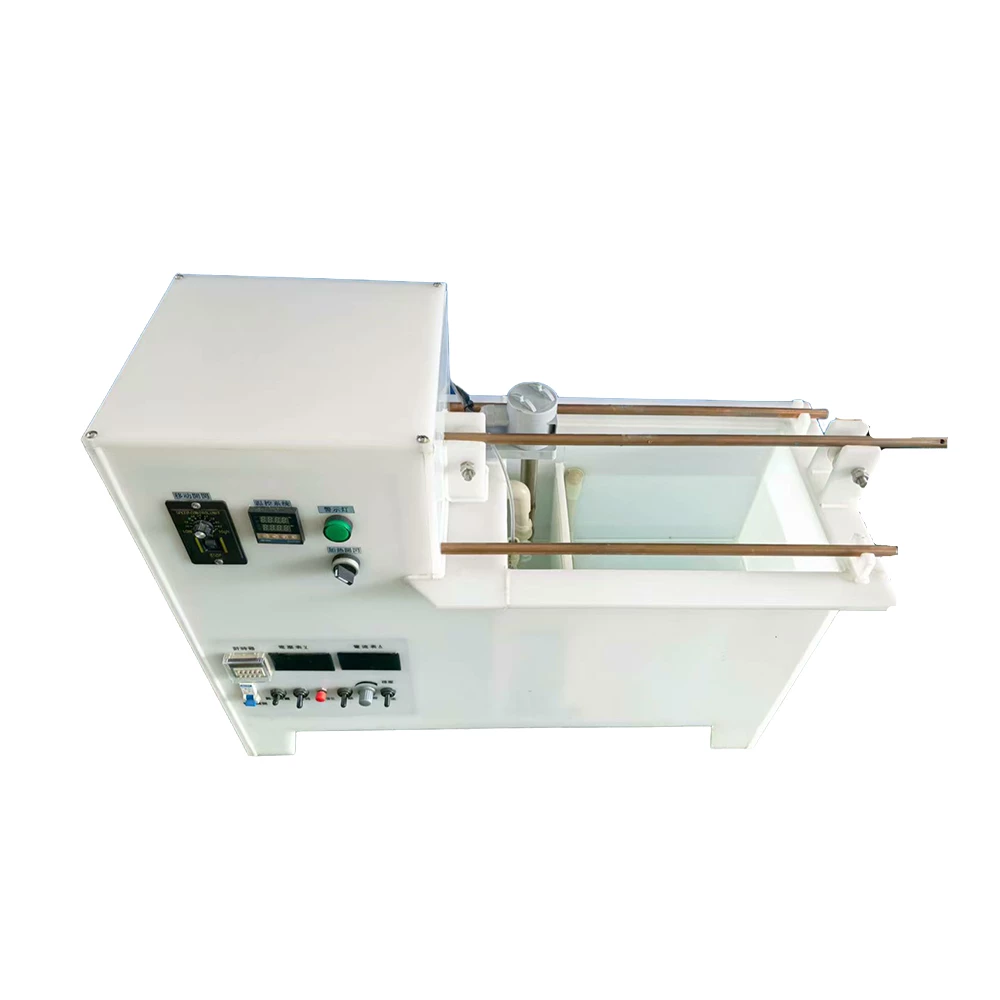
Pre-treatment behaves differently in summer and winter: water temperature shifts, evaporation changes concentrations and seasonal water quality changes the load on the line.
This senior guide covers seasonal drift: monitoring the variables, predicting the shifts and setting seasonal windows before rejects appear.
Common Mistakes and How to Avoid Them
The pitfalls that show up most often in real projects, with the cause and the practical fix.
| Mistake | Why It Happens | Practical Fix |
|---|---|---|
| 1. Summer ignored | Hot tanks drift | Log water temperature |
| 2. Winter ignored | Slow cleaning | Pre-heat as needed |
| 3. Evaporation untracked | Concentration climbs | Top up by analysis |
| 4. Water source change | TDS jumps | Test incoming water |
| 5. Windows fixed | Seasonal mismatch | Review windows |
| 6. No monthly trend | Drift unseen | Log each month |
| 7. Adjust on feeling | Wrong change | Use data |
| 8. Rejects blamed on plating | Seasonal cause | Check the season |
Best Practices That Hold Up in Production
The operating disciplines that separate a reliable line from a reactive one.
- Log water temperature monthly
- Track evaporation and top-ups
- Test incoming water quality
- Review windows seasonally
- Use the monthly trend
Implementation Roadmap
A practical sequence that can be adapted to your own project.
Process Flowchart
Seasonal control flow
A step-by-step sequence with notes and cautions so every shift follows the same order.
- The season is a process input, not an excuse.
- Monthly data predicts the shift before rejects.
- Never adjust on feeling - use the trend.
- Incoming water must be tested when the source changes.
Working Data & Formula Notes
Seasonal data
Reference values for seasonal monitoring.
| Component / Parameter | Working Value / Role | What Changes Mean (annotation) |
|---|---|---|
| Water temp | Log monthly | Hot cleans fast, cold slow |
| Evaporation | Top-up by analysis | Concentration climbs |
| Water TDS | Test incoming | Source changes |
| Windows | Seasonal review | Fixed = mismatch |
Reference Data
Specifications and references cited in this guide. Confirm final parameters with your line supplier.
Monthly trend card
| Month | Water C | TDS | Top-ups | Rejects |
| Logged | Logged | Logged | Logged | Logged |
Implementation Cases
Case 1 - winter water that slowed cleaning
Situation. In winter, cleaning rejects rose because incoming water ran 10 C colder and the tanks were not adjusted.
Approach. Water temperature was logged and pre-heat was added for the affected stages.
Outcome. Cleaning returned to normal; the winter window is now set before the season.
Case 2 - summer evaporation that climbed concentrations
Situation. Summer rejects were traced to concentrations that climbed with evaporation and blind top-ups.
Approach. Top-ups moved to analysis and the monthly trend was started.
Outcome. Concentrations held; the trend now predicts the summer drift.
Frequently Asked Questions
Why does pre-treatment drift by season?
Water temperature, evaporation and incoming quality change with the season and shift the process.
What do I monitor?
Water temperature, tank concentrations, incoming TDS and top-ups.
Why monthly data?
A monthly trend shows the seasonal pattern before rejects appear.
How do I handle winter?
Pre-heat the affected stages and check cleaning time and temperature windows.
How do I handle summer?
Track evaporation and top up by analysis; check tank temperature stays in window.
Why test incoming water?
Source or seasonal changes in TDS load the line differently.
Should I change windows each season?
Yes - review and adjust them before the season, then verify with parts.
Why not adjust on feeling?
Feeling gives the wrong change; the monthly trend points to the cause.
What Would You Like to Solve?
Send us your monthly tank and water data. We can help set the seasonal windows and the monitoring card for your pre-treatment line.
Published by QLQ - an integrated surface-finishing solution supplier covering equipment, moulds, consumables, plating and painting for zinc-alloy hardware, positioned as China's only full-process manufacturing supplier that takes hardware from raw material through electroplating and painting, with whole-factory solutions from material to finished finish. Values cited are project references; confirm with your line supplier before specification.