
collection-banner-image collection-banner-image

Professional Zinc Alloy Surface Finishing Solutions

铬电镀

Barrel Chromium Plating — Decorative, Black & Hard Chrome

Chromium plating for barrel: decorative Cr (hexavalent vs trivalent), black chrome, hardness HV 800-1000. Barrel challenges: low current efficiency, throwing power limitations. Temperature and current density parameters.
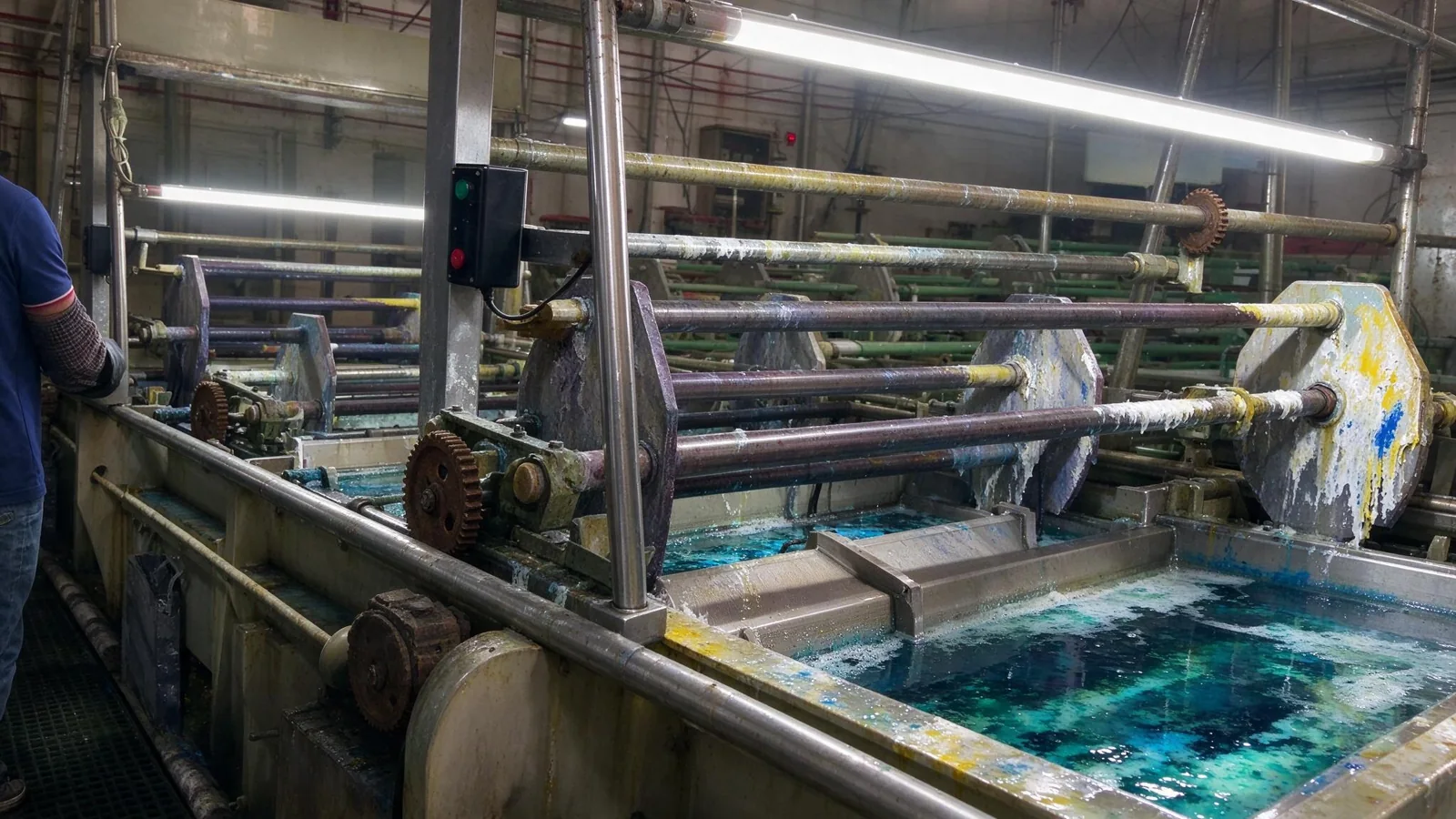
滚镀铬生产线 滚镀铬槽���小五金件批量镀铬,装饰铬/黑铬,现代化车间,21:9横幅

Why Barrel Chromium

Chrome is the hardest and most wear-resistant common decorative finish — but barrel chrome is challenging due to low current efficiency and coverage issues

装饰铬效果 蓝白色镜面,高硬度耐磨

Decorative Chrome

Blue-white mirror, ultra-wear-resistant

六价vs三价铬 三价铬环保趋势,EU ROHS兼容

Cr⁶⁺ vs Cr³⁺

Trivalent is eco, REACH/RoHS ready

黑铬应用 光伏组件、光学仪器、高端箱包

Black Chrome

Solar, optics, luxury hardware
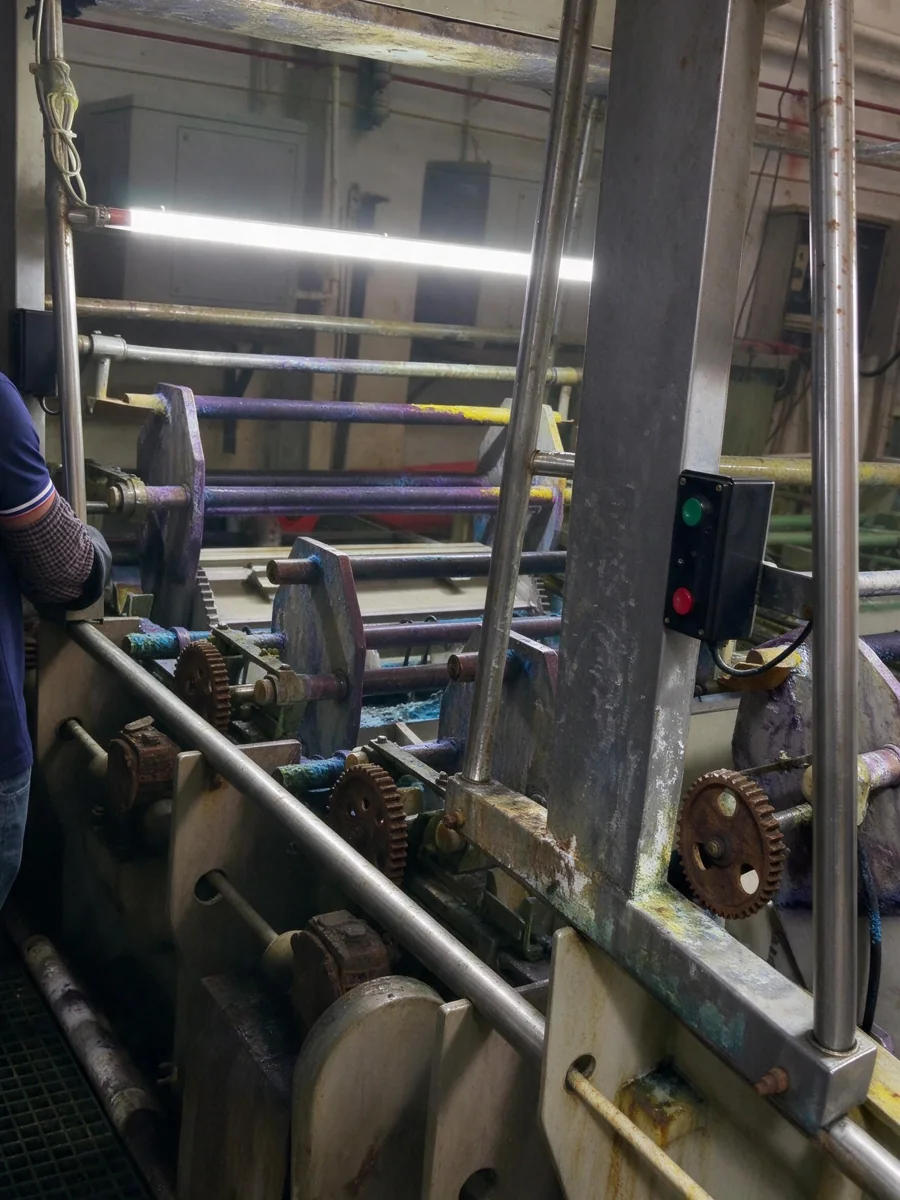
滚镀铬难点 电流效率低~15%,深镀能力差

Barrel Challenge

~15% efficiency, poor throwing power

Barrel vs Rack — Chromium Comparison

Key differences between barrel chrome and rack chrome

ParameterBarrel PlatingRack Plating
Current density5-15 A/dm²10-30 A/dm²
Temperature (decorative)35-50 °C40-55 °C
Temperature (hard)50-65 °C55-70 °C
Barrel rotation4-8 rpmN/A
Throwing powerPoor (barrel shields current)Fair (direct connections)
Coverage on complex shapesPartial — edges only in barrelGood with aux anodes
Current efficiency10-15%12-18%
Cost per part (decorative)MediumHigh

Barrel Chromium — Process Steps

Overcoming low efficiency and coverage challenges in barrel chrome plating

1Bath Make-up — Hexavalent vs Trivalent

Hexavalent Cr (CrO₃ 200-300 g/L + H₂SO₄ catalyst) — classic, high durability. Trivalent Cr (Cr³⁺ salts + organic complex) — REACH-compliant, better throwing power in barrel.
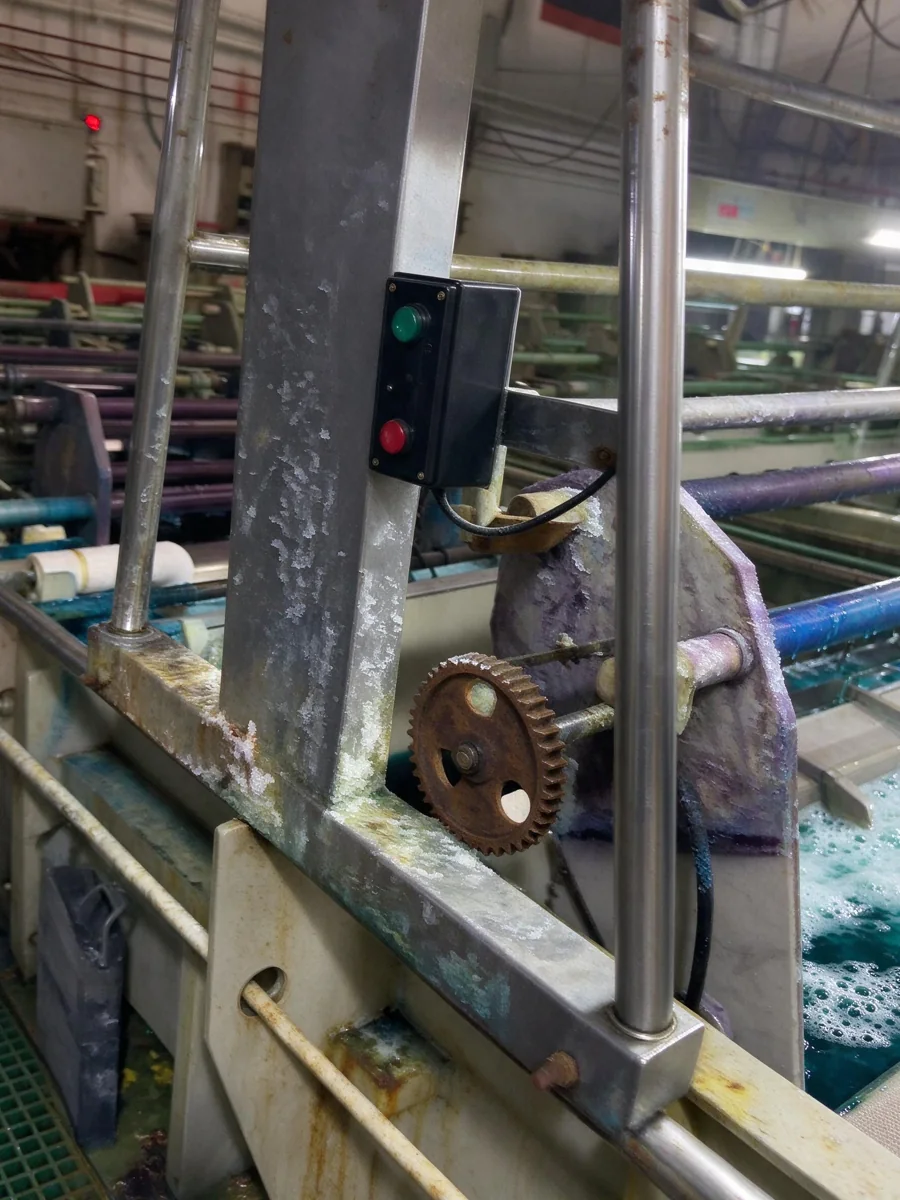
Key Parameters
Hexavalent CrO₃: 200-300 g/L
Catalyst H₂SO₄: CrO₃:H₂SO₄ = 100:1
Trivalent Cr³⁺: 10-20 g/L + complexants
Barrel-friendlier option: Trivalent (better throwing power)
Zinc alloy parts before surface finishingBefore
Finished zinc alloy parts after surface finishingAfter

2Barrel Loading & Plating

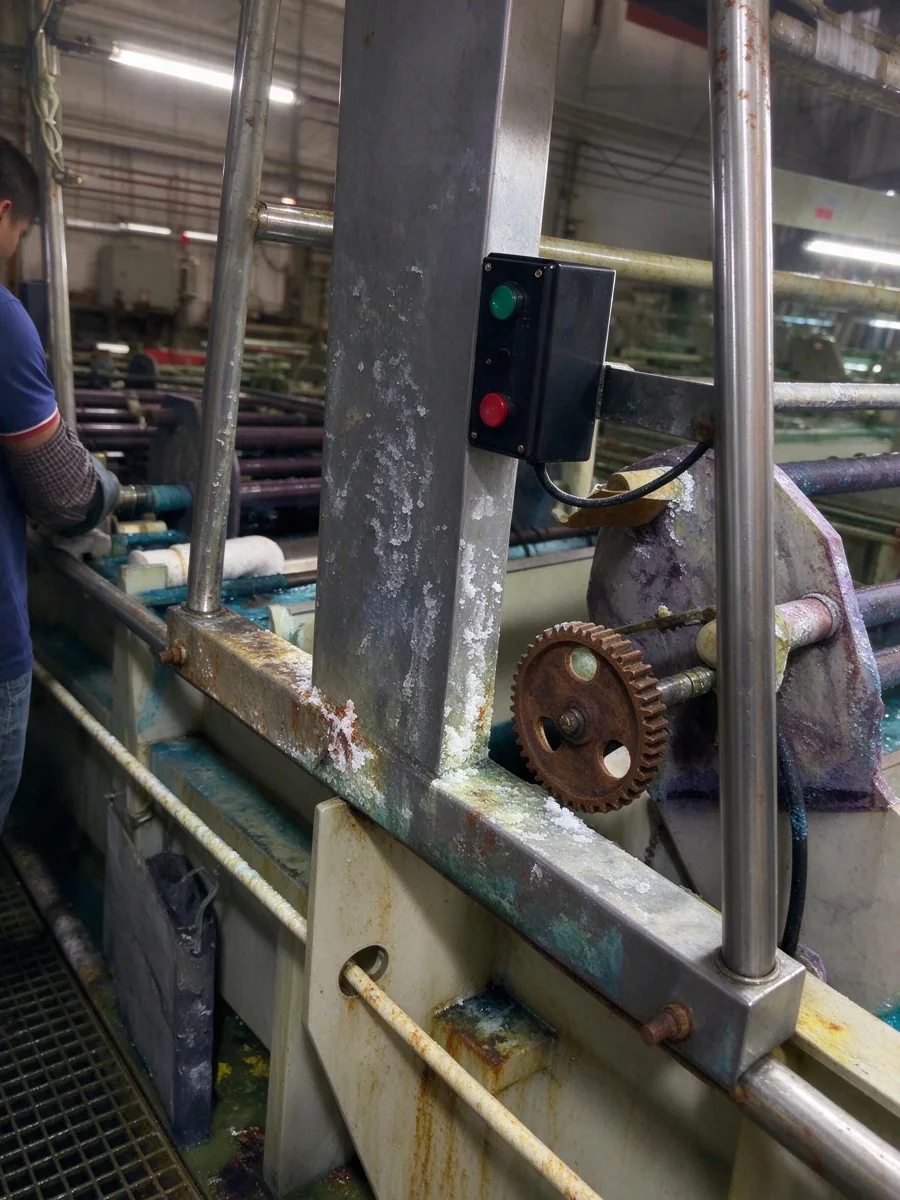
Barrel chrome requires lower current density (5-15 A/dm²) vs rack (10-30 A/dm²). The barrel restricts current flow — only parts near the barrel openings plate well. Part orientation inside barrel matters.
Key Parameters
Decorative Cr current: 5-15 A/dm²
Hard chrome current: 10-30 A/dm²
Barrel rotation: 4-8 rpm
Temperature: 35-50 °C (decorative) or 50-65 °C (hard)
滚镀铬过程 滚筒在铬槽中缓慢旋转4-8rpm,小五金件批量镀铬,电流密度5-15 A/dm²

3Black Chrome

Black chrome deposits a Cr-Cr₂O₃ composite coating. Used for solar absorbers, optical components and fashion hardware. Needs precise temperature control.
Key Parameters
Current density: 8-20 A/dm²
Temperature: 25-40 °C
Additive: Organic black chrome catalyst
Thickness: 0.2-3 μm
黑铬样品 黑铬镀层小五金件,深黑色,光学哑光
黑铬应用-光伏 黑铬在光伏集热板上的应用
黑铬-箱包件 黑铬箱包五金件,现代高级感

4Coverage & Throwing Power Management

Barrel chrome's main challenge: parts in the center get little to no coverage. Solutions: use 'window' barrels with more open area, reduce batch size, use shaped anodes.

Key Parameters
Barrel open area: > 40% recommended
Max batch size: 40-50% of barrel volume for chrome
Anode type: Lead (Pb-Sn or Pb-Sb)
覆盖对比 滚镀铬覆盖效果对比——开口处vs中心处
窗口滚筒 高开孔率窗口滚筒,改善铬镀层覆盖均匀性
铬镀层测试 镀铬层厚度检测,确保微米级均匀

5Treatment & Rinse

Chrome solution is toxic — thorough rinsing and fume extraction are mandatory. Cr⁶⁺ reduction treatment for waste water. For trivalent Cr, simpler waste management.

Key Parameters
Rinse stages: 3+ with dedicated chrome recovery
Fume extraction: Essential (Cr⁶⁺ mist is carcinogenic)
Waste treatment: Cr⁶⁺ reduction → precipitation or Cr³⁺ direct precipitation
铬废水处理 含铬废水处理系统,六价铬还原为三价铬后沉淀去除,环保合规

Chromium Types Compared

Choose by hardness, color, environmental requirements and barrel compatibility

TypeColorHardness (HV)EfficiencyBarrel-SuitableREACHBest Use
Hexavalent decorativeBlue-white700-90012-18%FairNoPremium hardware
Trivalent decorativeWhite-grey600-80015-22%GoodYesEU-bound, eco orders
Black chromeDeep black400-60015-20%GoodYesSolar, fashion, optics
Hard chrome (hex)Matte grey800-100012-18%LimitedNoIndustrial (functional)
Hard chrome (trivalent)Grey700-90015-22%LimitedYesIndustrial (eco)

📌 Chromium Cheat Sheet

Decorative Cr current5-15 A/dm² (barrel)
Rack Cr current10-30 A/dm²
Hardness decorativeHV 700-900
Black chrome hardnessHV 400-600
Current efficiency10-18%
Barrel rotation (Cr)4-8 rpm
Barrel open area>40%
Trivalent CrREACH/RoHS compliant
⚠ Barrel chrome has the highest reject rate of all barrel finishesLow current efficiency (~15%), poor throwing power, and sensitivity to bath contamination make barrel chrome the most technically challenging finish. Plan for 10-15% reject rate on first runs. Key tips: (1) run small batches (40-50% barrel fill), (2) use high-open-area barrels, (3) pre-heat barrel + parts to bath temperature before immersion, (4) never let Cr⁶⁺ solutions dry on barrel parts (corrosion spots). Consider trivalent chrome for barrel lines — better coverage offsets the slightly lighter color.

FAQ

Why is chrome so much harder to barrel-plate than nickel?
Three reasons: (1) Chrome current efficiency is only 10-18% vs. nickel's 90%+ — most of the current goes to hydrogen evolution, not metal deposition. (2) Chrome requires very high current density (5-30 A/dm²) that barrels struggle to deliver evenly. (3) Chrome throwing power is poor — the barrel mesh acts as a current shield, leaving interior parts uncoated. Trivalent chrome helps with reason (3).
Trivalent vs hexavalent chrome — which for barrel lines?
Trivalent Cr is strongly preferred for barrel lines. It has better throwing power (improves coverage in barrel centers), wider current density range (more forgiving), and simpler waste treatment. The only downside: the color is slightly warmer (less blue-white) than hexavalent chrome. For most decorative applications, the difference is acceptable.
How do I know if my barrel chrome coverage is adequate?
Visual inspection: parts at the barrel 'window' should match parts in the center. Use a simple copper test: after chrome, immerse in dilute CuSO₄ — copper deposits on exposed base metal (no chrome coverage) within 10 seconds. Any pink spots = insufficient coverage. Adjust barrel load or use more open barrel design.
What causes 'white haze' on barrel chrome?
Bath contamination — most commonly from nickel carry-over (Ni²⁺ above 50 ppm in chrome bath). Also: temperature too low (<35 °C) or sulfate ratio incorrect. Carbon treat the chrome bath and check the CrO₃:H₂SO₄ ratio.
Can I do hard chrome in a barrel?
Limited — hard chrome needs higher current density (30+ A/dm²) and temperature (55-70 °C). Most barrel lines cannot deliver this. Hard chrome is typically done on rack or in a dedicated fixture. Barrel 'hard chrome' is usually decorative chrome on hardened base material.

Get a Free Quote Today

Send us your samples or drawings — our engineers reply within 24 hours with pricing and technical advice.

Contact Us
Workshop Planning Data

Chromium Plating — Data Zinc Alloy Finishing Managers Need

The automatic barrel plating line plates zinc alloy small parts with copper, nickel, tin and color finishes in batches of 50,000+ pieces, delivering uniform thickness and color at the lowest cost per piece.

650 m²Workshop Area
22 peopleTeam Size
260 kWInstalled Power
1.2-2.5M pcs/dayDaily Output (10 h)

Quality Inspection & Control

Check itemMethodAcceptance standard
Coating thicknessX-ray fluorescence / coulometricPer spec: Cu 3-8 μm, Ni 3-10 μm, Sn 3-6 μm
AdhesionBend / peel / thermal shockNo flaking at 150 °C × 30 min
Color matchColorimeter ΔE / masterΔE ≤ 1.5 vs approved master
Salt sprayNSS chamber12-72 h per finish spec
Pitting / roughness10× inspectionNo pitting, nodules or burnt deposits
Thickness uniformity5 positions / batchCV ≤ 10% across barrel load

Workshop Layout & Floor Area

ZoneArea
Automatic barrel line (12-16 tanks)260 m²
Chemical storage / dosing60 m²
Rectifier room40 m²
QA lab + X-ray50 m²
Dryer / centrifuge / sorting80 m²
Rinse & waste treatment110 m²
Utility & lockers50 m²
Total workshop650 m²

Manpower & Shift Plan

RoleHeadcount
Line operators10
Chemical technicians3
QC inspectors (incl. X-ray)3
Wastewater operator1
Supervisor1
Maintenance / electrician2
Logistics & sorting2
Total (2 shifts × 10 h)22

Power & Utility Demand

EquipmentDemand
Rectifiers 12 V × 500-2000 A (4 sets)80 kW
Tank heating + cooling55 kW
Barrel drive motors (12-16)24 kW
Pumps / filters / dosing30 kW
Exhaust + scrubber22 kW
Dryer + centrifuge20 kW
Wastewater treatment18 kW
Lighting & auxiliary11 kW
Installed total260 kW
Typical running load≈ 205 kW

Production Flow Chart

PretreatmentPolish, degrease, activate
Alkaline CopperStrike layer for adhesion
Acid Copper / Nickel / TinBuild thickness + brightness
Color FinishGold, gun, black, antique etc.
Rinse ChainRecovery → counter-flow → DI
Dry & SortCentrifuge, inspect, pack

Daily Capacity — 10-Hour Operating Day

ParameterValue
Batch cycle25-45 min
Load per barrel40-80 kg
Parts per batch50,000-100,000
Batches per 10 h day14-20
Daily output1,200,000-2,500,000 pcs
Monthly output (26 days)31-65 million pcs

Output Value Estimate

ParameterValue
Plating fee per pieceUSD 0.005-0.015
Daily output value (10 h)USD 7,000-18,000
Monthly output valueUSD 180,000-470,000
Annual output valueUSD 2,160,000-5,600,000

Related Products — Complete Chromium Plating Solution

Machines, chemicals and consumables selected from the real QLQ product range for this process. Every product page is live and ready to quote.