
Scope of this guide
This management guide translates the process into cost, risk and throughput: what to measure, what to audit and where the money leaks.
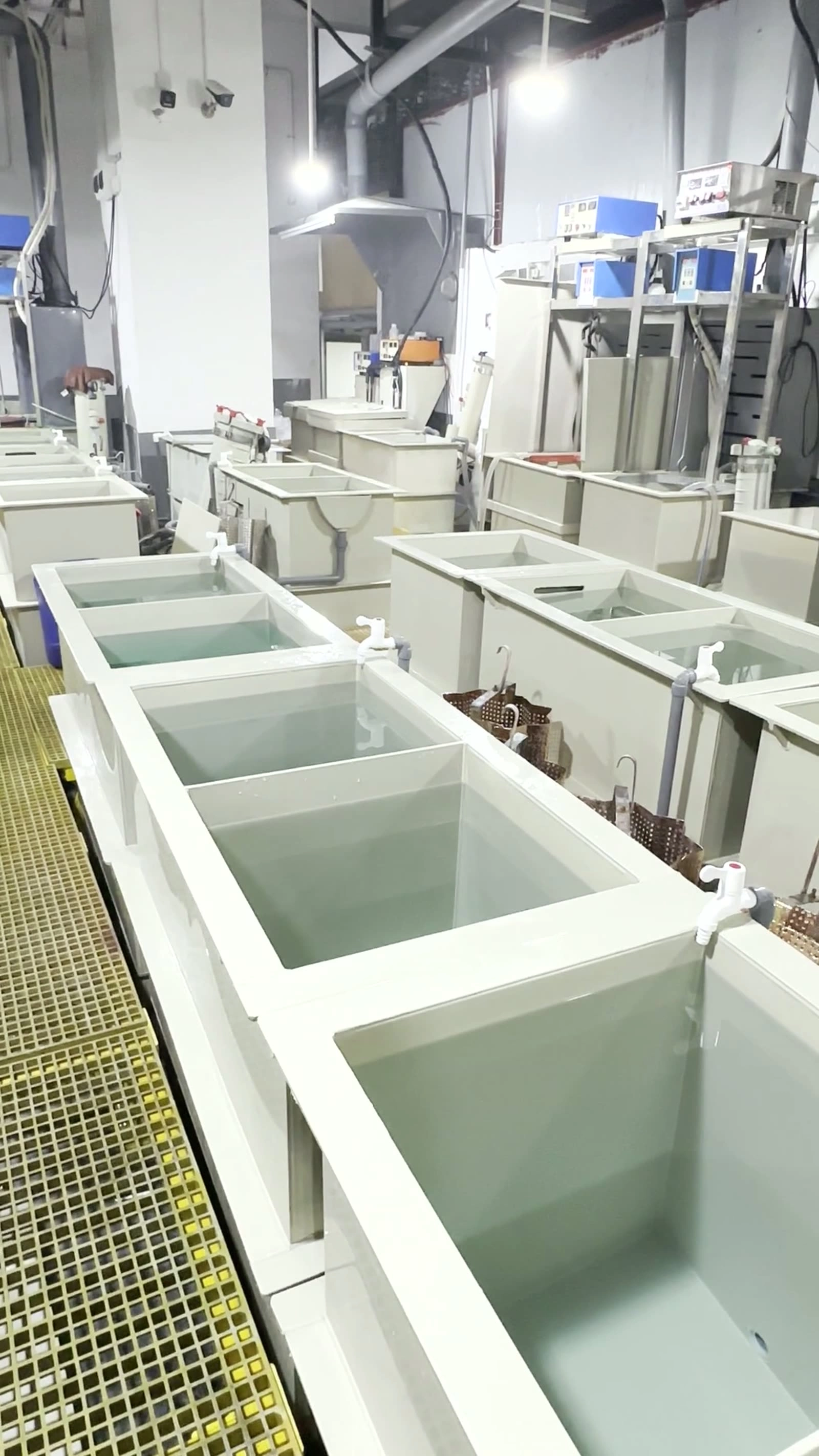
Process: Rack Plating. Figures in this guide are industry-standard starting ranges; confirm against your supplier TDS before locking settings.
Working ranges and control points
The table below is the daily reference for a plating line. Set by the card, verify by the control point column.
| Parameter | Typical range | Control point | Watch out |
|---|---|---|---|
| Contact point size | 0.5–2 mm² wire wrap | Mark hidden in seal area | Marks on visible faces |
| Rack angle | 10–20° from vertical | Solution drains off | Air pockets in cavities |
| Current density | 1–6 A/dm² by bath | Per-position amp mapping | High spots burn first |
| Auxiliary anode gap | 20–50 mm | Uniform throw into recess | Too close plates dendrites |
| Load weight | Per rack card limit | Weigh-in random check | Overload sags contacts |
Run It As A Business: the management view
Beyond the basic card, this is the layer that matters at your level:
| Cost line | What drives it | Metric to track | Typical lever |
|---|---|---|---|
| Chemicals | Drag-out and bath dumps | Cost per 1000 parts | Rinse counter-flow, drip bars |
| Rework | First-pass yield losses | FPY by defect family | Fix top family first |
| Energy | Heated tanks and idle time | kWh per 1000 parts | Covers, night setback |
| Claims | Escape rate | PPM by customer | Ship gate on FPY |
Standard routine
- Read the rack card for current and position map
- Wrap contacts to hide marks in sealed zones
- Set angle so cavities drain
- Confirm auxiliary anodes are on before load-in
- Check first article thickness at three positions
Engineer notes
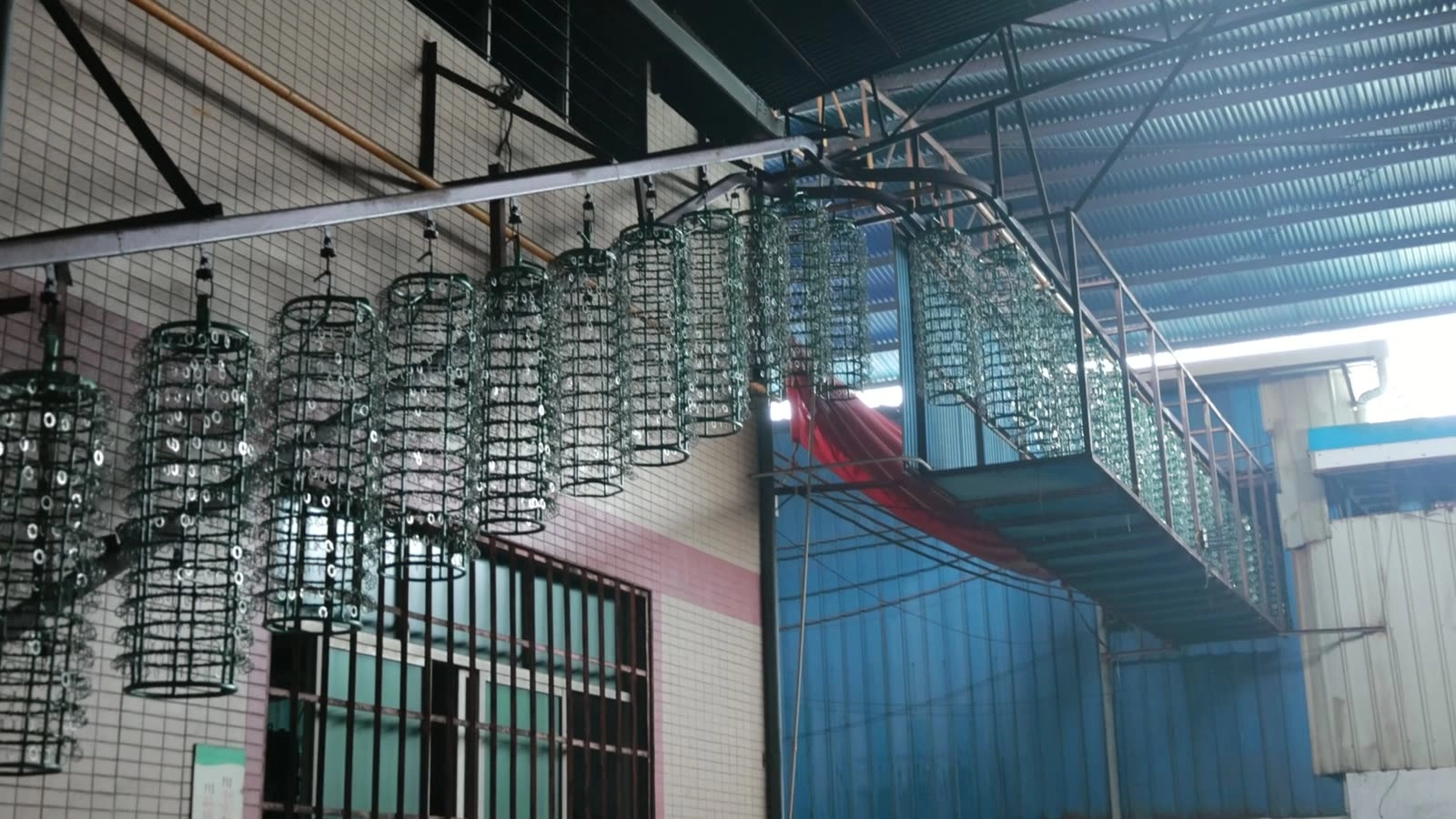
- The first article after every rack repair gets three-point thickness check
- High-current corners need thieves or shields, not lower total amps
- Bent racks plate bent parts — straighten on the bench, not in the tank
- Log which rack frames run which part families to trace marks
- Insulate worn tape spots before they plate over
Safety: Racks carry live current in the tank. Load and unload with the bus off; never touch two racks at once with bare hands.
FAQ
Where should contact marks be placed?
On faces that get sealed, assembled or hidden — never on the show surface.
Why do recesses plate thin?
Throwing power limits current in cavities. Add auxiliary anodes or reduce total current and extend time.
How often are racks re-coated?
When insulation chips expose metal outside contact zones — usually every 3–6 months.
Which single metric should I start reporting weekly?
First-pass yield by defect family; it exposes rework cost and points at the largest lever.