

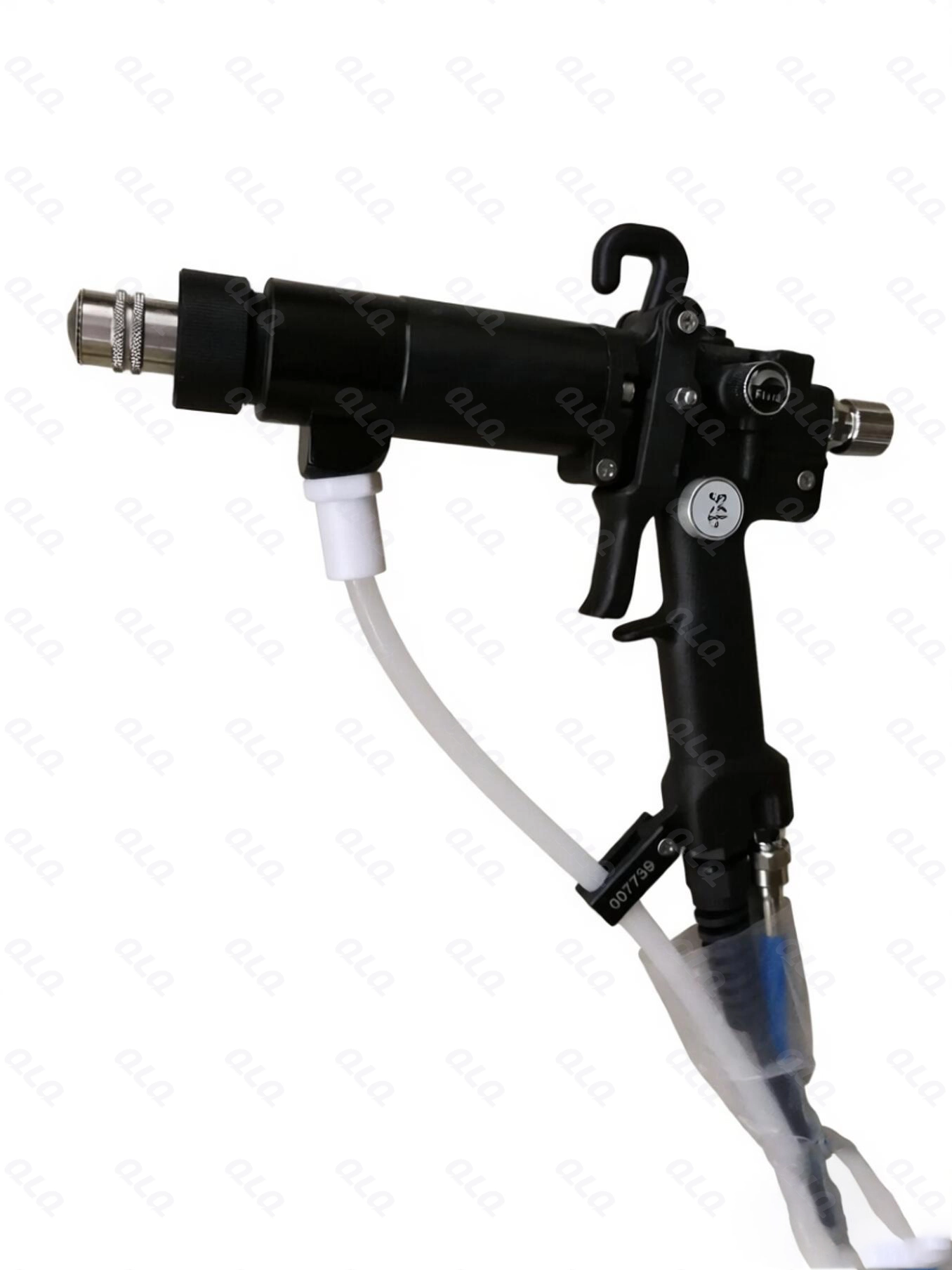
A powder oven can hold its set point and still under-cure parts because belt loading changes how heat reaches each hook row. The delta between the coolest and hottest part decides whether the batch cures fully without over-curing the edges.
This senior guide covers production oven profiling: running temperature traces on real belt loads, auditing loading against the profile, and using the delta-T audit to catch cure drift before hardness tests fail.
Common Mistakes and How to Avoid Them
The pitfalls that show up most often in real projects, with the cause and the practical fix.
| Mistake | Why It Happens | Practical Fix |
|---|---|---|
| 1. Profiling an empty oven | Real loads behave differently | Trace with production loading |
| 2. Checking only set point | Air and part differ | Measure part temperature |
| 3. Ignoring belt load drift | Trace becomes invalid | Re-audit when loading changes |
| 4. High delta-T accepted | Under- and over-cure in one batch | Close the delta with loading |
| 5. One profile for all products | Different parts need different maps | Profile per product family |
| 6. No audit after repairs | New burners change the curve | Re-profile after oven work |
| 7. Hardness tested only on easy parts | Cool zone stays hidden | Test parts from all zones |
| 8. Seasonal drift ignored | Ambient changes the oven | Seasonal re-profile |
Best Practices That Hold Up in Production
The operating disciplines that separate a reliable line from a reactive one.
- Profile with real production belt loading
- Measure part temperature, not only oven air
- Keep delta-T within the cure window
- Re-profile after loading or oven changes
- Record the profile per product family
Implementation Roadmap
A practical sequence that can be adapted to your own project.
Process Flowchart
Oven profiling flow
A step-by-step sequence with notes and cautions so every shift follows the same order.
- The coolest part defines the cure; the hottest part defines the over-cure risk.
- Belt loading is part of the oven setting, not a separate decision.
- Never profile with a light load and apply the result to a full belt.
- Never test hardness only on parts from the easy zone.
Working Data & Formula Notes
Profiling reference
Example values for a production oven profile; confirm with your powder spec.
| Component / Parameter | Working Value / Role | What Changes Mean (annotation) |
|---|---|---|
| Metal temperature | Per powder spec | Peak and time at temperature |
| Delta-T target | Within 10-15 C | Closer is better |
| Trace points | 4-6 per belt | Top, middle, edges |
| Audit cycle | Quarterly | Plus after oven work |
| Verification | Hardness by zone | Confirms the profile |
Reference Data
Specifications and references cited in this guide. Confirm final parameters with your line supplier.
Delta-T fault table
| Fault | Cause | Response |
| Cool centre row | Dense belt loading | Open loading in that zone |
| Hot edge rows | High air at the edges | Balance oven airflow |
| Whole load cool | Set point or speed | Re-profile from zero |
| Zone drift after repair | Burner or airflow change | Re-profile after work |
| Seasonal failure | Cold ambient air | Seasonal profile review |
Implementation Cases
Case 1 - the profile that ignored belt loading
Situation. An oven was profiled empty and approved, but full belt loads failed hardness in the centre rows. Operators kept raising the set point and over-cured the edges.
Approach. A production trace with real loading showed the centre rows ran below the cure window while edge rows over-cured.
Outcome. Belt loading was opened in the centre zone and the profile re-run; centre cure passed without over-curing edges.
Case 2 - drift after a burner repair
Situation. After a burner service, hardness began failing on one side of the oven. The maintenance team confirmed the oven reached set point, so the powder was blamed.
Approach. A new trace showed airflow balance had shifted after the repair, creating a cool zone on one side.
Outcome. Airflow was rebalanced, the trace passed, and the plant now re-profiles after every oven repair.
Frequently Asked Questions
Why profile with a real belt load?
Empty ovens heat differently; only production loading shows the true cure.
What is delta-T?
The gap between the coolest and hottest part temperature in the oven.
Why does belt loading change the trace?
Dense rows block heat and create cool zones in the load.
How often should I profile?
Quarterly, after oven repairs, and when seasonal conditions shift.
What if I raise the set point to fix a cool centre?
You risk over-curing the edges; fix loading or airflow instead.
Which part defines the batch?
The coolest part, because it is the last to reach the cure window.
Where should trace points go?
Across top, middle and edge rows of a real production load.
Who owns the oven profile?
The senior process owner, recorded per product family.
What Would You Like to Solve?
If hardness failures keep returning after oven work, send us your powder cure spec, belt loading and oven layout. We can help build the production profiling routine and delta-T audit that protect every row.
Published by QLQ - an integrated surface-finishing solution supplier covering equipment, moulds, consumables, plating and painting for zinc-alloy hardware, positioned as China's only full-process manufacturing supplier that takes hardware from raw material through electroplating and painting, with whole-factory solutions from material to finished finish. Values cited are project references; confirm with your line supplier before specification.