
The question every buyer asks
When plating peels off in sheets and exposes base metal, buyers assume it must be a process fault. The truth is decided by three observable facts — peel location, peel-face character and timeline — and luxury sliders shedding thin flakes of plating onto orange copper can be ordinary wear.
Parameters are industry-standard starting ranges; confirm against your supplier TDS.
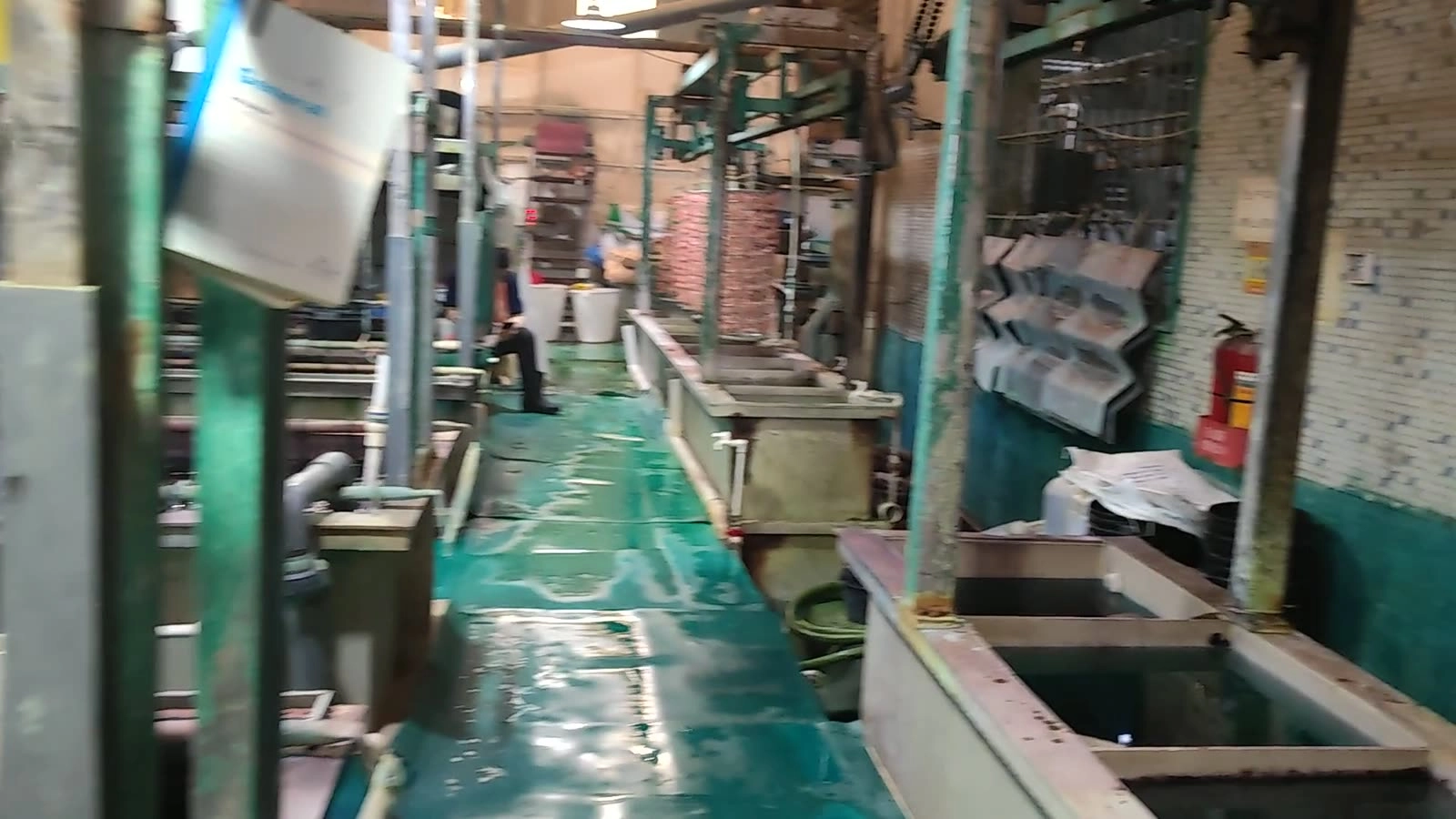
How we handle it on the line
- Evidence 1 — location: uniform large-area peeling = adhesion failure (process); localized edges/corners = knocks and abrasion (use).
- Evidence 2 — peel face: smooth, clean exposed base = pre-treatment failure; torn coating remnants = external force.
- Evidence 3 — timeline: sheet peeling within weeks = process; gradual localized loss over long service = aging/wear.
- Reference case: luxury-brand sliders showing thin flake peeling onto orange copper are decorative-coat wear with visible substrate — the same physics applies to premium brands.
- Neither party should claim the whole category: 'all peeling is abuse' and 'all peeling is a defect' are both wrong.
- QLQ production parts get cross-hatch adhesion plus bend dual-testing, holds process-caused peeling within tier standards, and assists responsibility calls based on peel-face features.
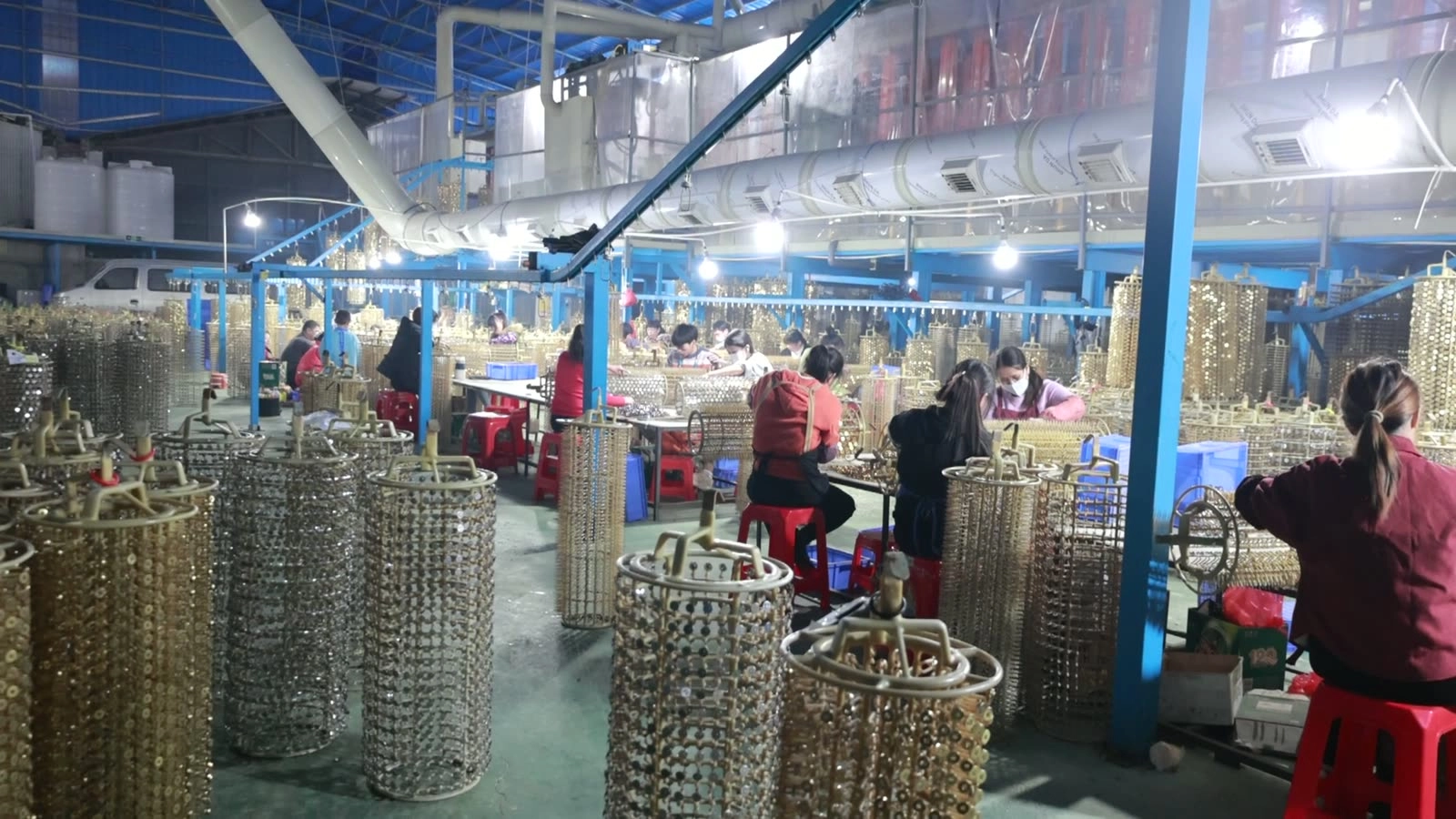
Honest boundaries
- Decorative plating is a finite-wear finish: no plating on high-rub faces lasts forever, whatever the brand.
- Responsibility assessment from peel features is evidence-based judgment, not an absolute verdict; laboratory cross-sections can settle contested cases.
- Timeline evidence depends on honest usage history — disputed cases may be genuinely undecidable from the part alone.
FAQ
The plating peeled off in sheets exposing bare metal — is this a plating process fault or user damage?
Check three things: uniform large-area = adhesion failure (process); localized edges with torn edges = knocks (use); sheet loss within weeks = process, gradual loss over time = wear.
My luxury bag's slider plating flaked off showing orange copper — is it fake or defective?
Neither necessarily. Thin decorative coats wearing through to a copper underlayer is natural wear, and it happens on premium brands too. Judged by peel-face features, not brand name.
How can we prove whose fault peeling is in a dispute?
Peel-face features decide: smooth exposed base indicates pre-treatment failure, torn coating indicates external force. QLQ runs cross-hatch plus bend testing per batch and helps assess based on those features.
Can any plating survive constant rubbing on bag corners forever?
No. Decorative plating is a finite-wear finish; high-rub corners wear through eventually on every brand. The honest protection is tiered testing standards and clear responsibility criteria.