

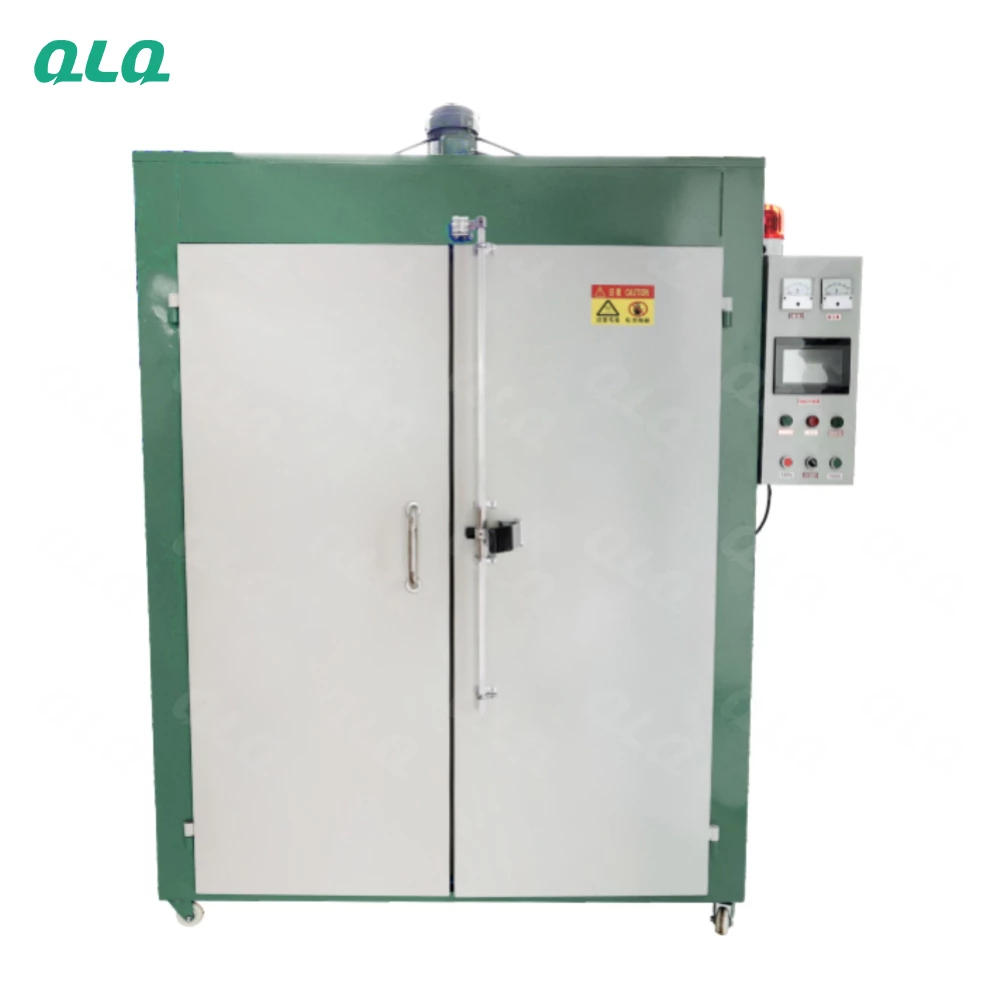
Most line breakdowns are not born in the breakdown; they are born in a shift handover that forgot to say the pump sounded rough or the heater was slow. The equipment log book is the memory of the department, and juniors are the ones who feed it.
This junior guide covers shift handover for equipment: the end-of-shift round, status flags for abnormal findings, the log book format, and the handover conversation that leaves the next shift safe and informed.
Common Mistakes and How to Avoid Them
The pitfalls that show up most often in real projects, with the cause and the practical fix.
| Mistake | Why It Happens | Practical Fix |
|---|---|---|
| 1. Skipping the log | Next shift discovers the fault | Write every shift |
| 2. Ignoring an odd sound | Small fault becomes big stop | Log and report |
| 3. Vague entries | Useful information lost | Write what, where, when |
| 4. No end-of-shift round | Faults found at start-up | Run the fixed route |
| 5. Status not flagged | Watch item forgotten | Use clear flags |
| 6. No handover talk | Log alone is not enough | Brief the next shift |
| 7. Fault hidden to avoid blame | Line pays for silence | Report without blame |
| 8. Round done by memory | Stops get missed | Follow the route card |
Best Practices That Hold Up in Production
The operating disciplines that separate a reliable line from a reactive one.
- Write the log before leaving the shift
- Run the same end-of-shift route every day
- Use clear status flags for every finding
- Report abnormal sounds and temperatures immediately
- Hold a short face-to-face handover with the next shift
Implementation Roadmap
A practical sequence that can be adapted to your own project.
Process Flowchart
Handover flow
A step-by-step sequence with notes and cautions so every shift follows the same order.
- The log book turns one shift's observation into the next shift's protection.
- Status flags tell everyone what is safe, what to watch and what must stop.
- Never hide a finding to avoid blame; the line pays for silence.
- Never leave an abnormal item without a status flag.
Working Data & Formula Notes
Handover reference
Working rules for a shift handover log; adapt to your line.
| Component / Parameter | Working Value / Role | What Changes Mean (annotation) |
|---|---|---|
| Round time | 15 minutes | Fixed route before shift end |
| Flags | Normal, watch, stop | One flag per finding |
| Entry | What, where, when | Written before leaving |
| Handover | 2-5 minutes | Face to face |
| Owner | Each junior on shift | Signed at shift end |
Reference Data
Specifications and references cited in this guide. Confirm final parameters with your line supplier.
Log book example
| Time | Item | Finding | Flag |
| 15:10 | Pump 3 | Rough sound | Watch |
| 15:15 | Heater 1 | Normal | Normal |
| 15:18 | Air line | Small leak | Watch |
| 15:22 | Conveyor | Stopped twice | Reported |
Implementation Cases
Case 1 - the pump that should have been logged
Situation. A pump sounded rough on the evening shift, but no one wrote it down. The night shift started and the pump failed within an hour, stopping the line at the busiest time.
Approach. The log book rule was changed so every abnormal finding gets a status flag and a report before shift end.
Outcome. The next rough pump was caught at watch status and serviced before failure, avoiding the stop.
Case 2 - the handover that was only a wave
Situation. A junior left at shift end after a quick wave, and the incoming shift started without knowing the rectifier had been tripping intermittently. The fault returned and cost two hours.
Approach. A short face-to-face handover with the log and status flags was made part of the shift close.
Outcome. Intermittent faults are now passed with their full history, and start-up surprises have dropped sharply.
Frequently Asked Questions
Why keep an equipment log?
It is the line's memory; without it, each shift discovers faults from zero.
What is a status flag?
A clear mark that an item is normal, needs watching or must stop.
How long should the end-of-shift round take?
About fifteen minutes on a fixed route, long enough to check the key items.
What should a log entry include?
What was found, where, when, and who reported it.
Why report odd sounds?
Sounds are the earliest warning of bearing, belt or pump failure.
Should the handover be face to face?
Yes; the log supports a short spoken briefing of the key items.
What if I find something abnormal?
Log it, flag it and report it before you leave.
Who owns the log?
Every operator on the shift; the log is only as good as the last entry.
What Would You Like to Solve?
If your shifts keep rediscovering old equipment faults, send us your line equipment list and current handover habits. We can help design the route card, log format and status flags that make every handover complete.
Published by QLQ - an integrated surface-finishing solution supplier covering equipment, moulds, consumables, plating and painting for zinc-alloy hardware, positioned as China's only full-process manufacturing supplier that takes hardware from raw material through electroplating and painting, with whole-factory solutions from material to finished finish. Values cited are project references; confirm with your line supplier before specification.