

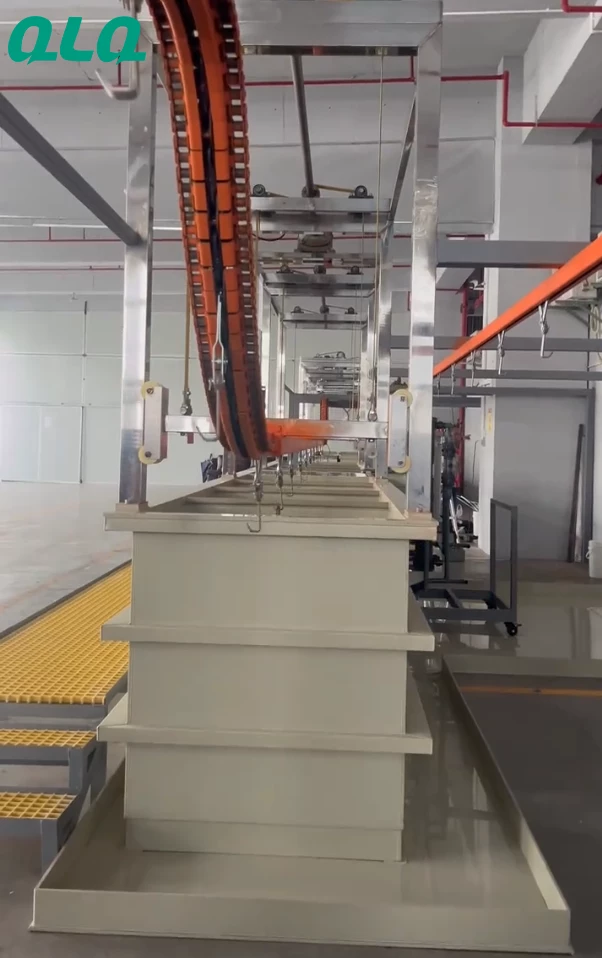
Conductivity and solvent are the two knobs that keep an e-coat bath inside its film window. Drag-in raises conductivity, evaporation changes solvent, and if one drifts the other follows, causing rupture, thin recesses or heavy edges.
This intermediate guide covers conductivity and solvent control: reading the two together, using deionized water purges and solvent additions, and the windows that keep film stable across a shift.
Common Mistakes and How to Avoid Them
The pitfalls that show up most often in real projects, with the cause and the practical fix.
| Mistake | Why It Happens | Practical Fix |
|---|---|---|
| 1. Watching conductivity alone | Solvent drift hides | Read conductivity and solvent together |
| 2. Purge without measuring | Overshoot swings the bath | Purge in small steps |
| 3. Solvent added by habit | Heavy edges or thin recesses | Dose from the measured loss |
| 4. Ignoring drag-in | Conductivity climbs all shift | Control rinse quality |
| 5. Large single purge | Film jumps in one step | Small measured purges |
| 6. Sampling at wrong point | Conductivity reading misleads | Sample at the standard point |
| 7. No trend log | Drift found by rejects | Log both per shift |
| 8. Changing one without the other | New imbalance appears | Adjust in the right order |
Best Practices That Hold Up in Production
The operating disciplines that separate a reliable line from a reactive one.
- Read conductivity and solvent together each shift
- Control drag-in at the rinses before the tank
- Make DI purges in small measured steps
- Dose solvent from the measured loss
- Log both values with the film result
Implementation Roadmap
A practical sequence that can be adapted to your own project.
Process Flowchart
Conductivity and solvent flow
A step-by-step sequence with notes and cautions so every shift follows the same order.
- Conductivity and solvent fight each other when adjusted separately.
- The rinse chain is the cheapest conductivity control.
- Never purge and dose solvent in the same step.
- Never sample near the DI inlet after a purge.
Working Data & Formula Notes
Control window reference
Example windows for an e-coat bath; confirm with your paint supplier.
| Component / Parameter | Working Value / Role | What Changes Mean (annotation) |
|---|---|---|
| Conductivity | Per supplier spec | Upper and lower limits |
| Solvent level | Per supplier spec | Measured by analysis |
| DI purge | Small increments | Re-measure between steps |
| Solvent dose | From measured loss | Never by habit |
| Trend log | Per shift | Predicts drift before rejects |
Reference Data
Specifications and references cited in this guide. Confirm final parameters with your line supplier.
Control fault table
| Fault | Cause | Response |
| Rupture | Conductivity too high | DI purge in steps |
| Heavy edges | Solvent too high | Reduce solvent additions |
| Thin recesses | Solvent too low | Dose from analysis |
| Climbing all shift | Drag-in | Fix the rinse chain |
| Jump after purge | Oversized purge | Smaller measured steps |
Implementation Cases
Case 1 - the conductivity that climbed every shift
Situation. Conductivity climbed through each shift and the team purged every morning. Film varied between morning and afternoon, and rejects followed the pattern.
Approach. The intermediate traced the climb to drag-in from a weak rinse and fixed the rinse quality before adjusting the bath.
Outcome. Conductivity stabilized, morning purges became smaller, and film variation across the shift disappeared.
Case 2 - solvent dosed by habit
Situation. Solvent was added every Monday on habit. Film edges became heavy midweek, and recesses thinned by Friday as the balance shifted.
Approach. Solvent was dosed only from the measured analysis loss, and conductivity was checked between each addition.
Outcome. Film balance returned and the weekly habit was replaced by a measured control rule.
Frequently Asked Questions
Why control conductivity and solvent together?
They interact; fixing one without the other creates a new imbalance.
What raises conductivity?
Drag-in from previous baths and rinses, plus makeup additions.
How do I lower conductivity?
With small measured deionized water purges, re-checking between steps.
When should I add solvent?
Only from the measured loss shown by analysis, not on a habit schedule.
Why fix the rinse chain first?
Rinses are the cheapest conductivity control; purging all day hides the source.
What film faults follow high solvent?
Heavy edges and soft film; low solvent gives thin recesses.
How often should I log?
Per shift, with the film result, so trends are visible.
Who decides the control order?
The intermediate follows the bath owner's rule: rinse, purge, then solvent.
What Would You Like to Solve?
If conductivity and solvent keep fighting across your shifts, send us your bath analysis log, rinse quality data and film results. We can help set the windows and control order that keep film stable all day.
Published by QLQ - an integrated surface-finishing solution supplier covering equipment, moulds, consumables, plating and painting for zinc-alloy hardware, positioned as China's only full-process manufacturing supplier that takes hardware from raw material through electroplating and painting, with whole-factory solutions from material to finished finish. Values cited are project references; confirm with your line supplier before specification.