

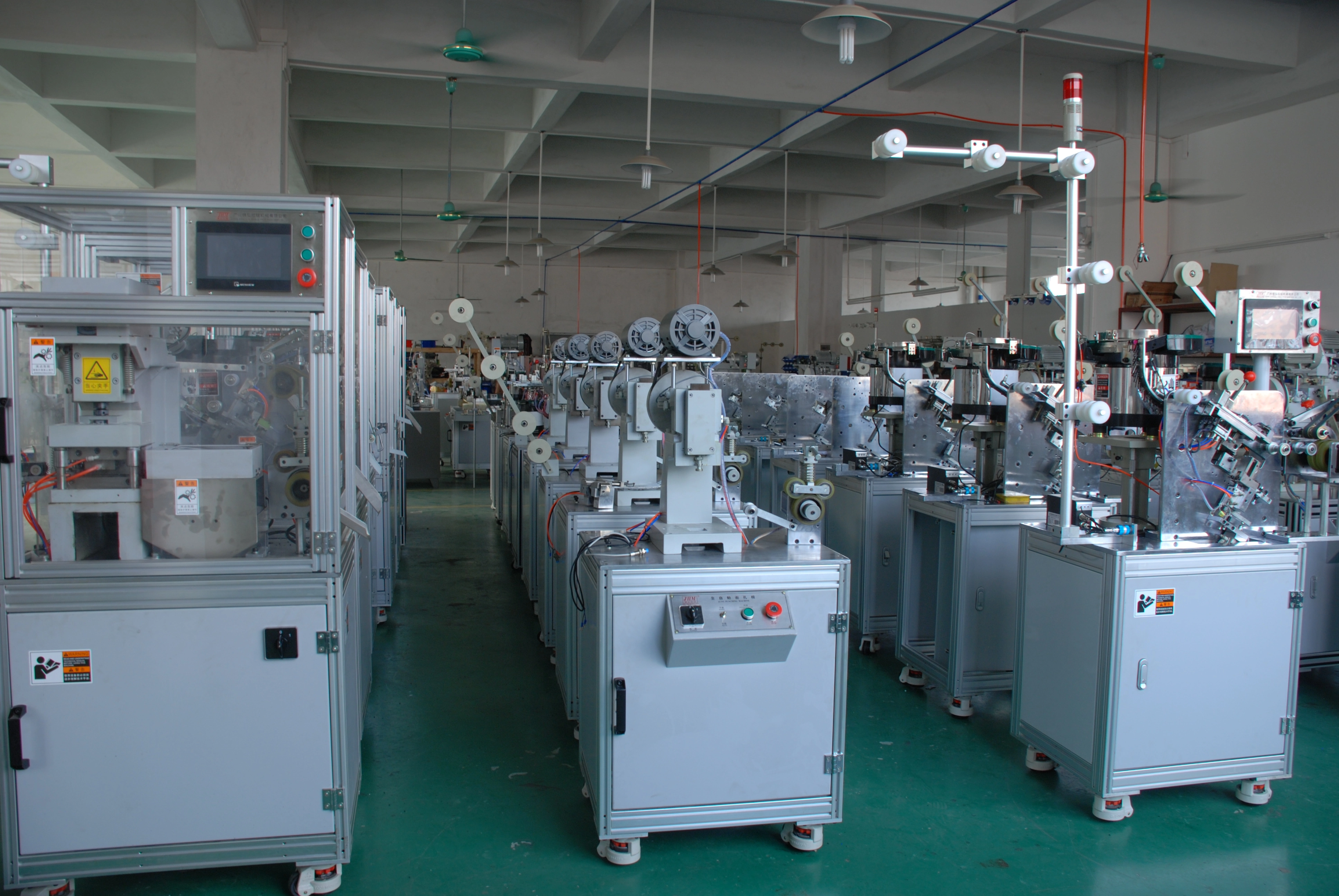
A bag hardware polishing shop cut its rework rate from 18 percent to 6 percent in three months without new machines or chemistry. Standards boards, first-piece checks and operator certification rebuilt the process around agreed visual limits.
This management guide shows how to build the three controls, run them without extra headcount, and keep rework falling while output rises.

Common Mistakes and How to Avoid Them
| Mistake | Why It Happens | Practical Fix |
|---|---|---|
| 1. No visual standard | Operators judge differently | Build approved-sample boards |
| 2. First pieces skipped | Defects run all shift | Check first 3 pieces each shift |
| 3. Rework not counted | Problem size invisible | Count and classify rework daily |
| 4. Standards hidden in office | Floor never sees them | Mount boards at each station |
| 5. Training by word of mouth | Skills drift per operator | Certify with a practical test |
| 6. Wheel changes unchecked | New wheel changes finish | Re-check first piece after change |
| 7. Rework blamed on operators | System faults missed | Classify cause before blame |
| 8. No feedback loop | Same faults repeat | Review rework photos weekly |
| 9. Output rewarded only | Speed beats quality | Score quality in the target |
Best Practices
- Mount standards boards with approved samples at every station
- Check the first three pieces after every shift start and wheel change
- Count and classify rework by cause every day
- Certify operators with a practical test before solo work
- Review rework photos with the team weekly
- Link the output target to first-pass yield, not pieces alone
Implementation Roadmap
| Step | Frequency |
|---|---|
| Build standards boards | One month, three finish levels |
| Start first-piece checks | Every shift and wheel change |
| Count rework by cause | Daily log |
| Certify operators | Quarterly practical test |
| Review and update | Weekly team meeting |
Rework reduction flow
- Standard - Approved samples on board. (No standard, no agreement.)
- Check first - 3 pieces per shift and change. (Skipped checks run defects all day.)
- Classify - Rework by cause daily. (Blame hides system faults.)
- Review - Photos and counts weekly. (No review, repeats return.)
Rework falls when the floor and the office agree on the standard. | First-piece checks cost minutes and save hours of rework.
Rework control data
Reference values for polishing shop quality management.
| Parameter | Reference | Why It Matters |
|---|---|---|
| First-piece sample | 3 pieces per shift start | Catches setup drift before the batch |
| Wheel change check | 1 piece after each change | New wheels change cut and finish |
| Rework rate | Target under 8%, review at 5% | Above 8% means a process fault |
| Cause classes | Setup, operator, wheel, material | Classify before assigning blame |
| Certification | Practical test quarterly | Skills drift without a test |
| Review cycle | Weekly, 30 minutes | Short review beats no review |
| Yield target | First-pass yield over 90% | Piece count alone rewards speed |
Rework cause classification
| Cause | Share at start | Fix |
|---|---|---|
| Setup error | 34% | First-piece checks |
| Operator skill | 28% | Certification |
| Wheel state | 22% | Dress and change log |
| Material variation | 16% | Incoming gate |
Weekly review agenda
| Item | Time | Output |
|---|---|---|
| Rework count and rate | 10 min | Trend line |
| Cause classes | 10 min | Top cause named |
| Photos of faults | 5 min | Agreed fix |
| Action owners | 5 min | One owner per item |
Case 1 - rework from 18 percent to 6 percent in three months
Scenario. A polishing shop for bag hardware tracked 18 percent rework for six months; the floor judged finish by memory and the same faults repeated across shifts.
Action. Approved-sample boards for cut, satin and mirror finishes were mounted at every station; three first pieces were checked per shift and after each wheel change; rework was counted by cause daily and operators passed a practical test before solo work.
Result. Rework fell to 6 percent in three months and first-pass yield passed 90 percent; the weekly review kept the causes visible.
Case 2 - two shifts, two standards, in a Mexican accessories plant
Scenario. A plant in Mexico ran two polishing shifts with different reject opinions; the day shift rejected 9 percent and the night shift 17 percent on the same parts.
Action. One standards board replaced the memory standard, night-shift first-piece checks were enforced, and both shifts reviewed the same rework photos in the weekly meeting.
Result. The night shift matched the day shift within a month and the combined rate settled near 7 percent.
Frequently Asked Questions
Why do standards boards cut rework?
They replace memory with approved samples, so every operator and inspector judges against the same visual limit.
What goes on the board?
Approved and rejected samples for each finish level, plus photos of the top three recurring faults.
When should first-piece checks happen?
At every shift start, after every wheel change, and after any compound or part change.
How do I count rework honestly?
Log every reworked piece with a cause class at the station, before the shift ends.
What cause classes should I use?
Setup, operator skill, wheel state and material variation cover most polishing rework.
How long does certification take?
A 30-minute practical test per operator per quarter, plus a supervisor sign-off.
Why did output drop at first?
First-piece checks slow the start slightly; the time returns in fewer reworked pieces.
How often should I review the system?
Weekly, with counts, cause classes and photos; the review drives the next improvement.
What target should I set?
Under 8 percent rework to start, then first-pass yield above 90 percent as the main goal.
What Would You Like to Solve?
Describe your rework rate, cause breakdown and current inspection practice; the board, check and certification cycle here can be sized to your shop.