

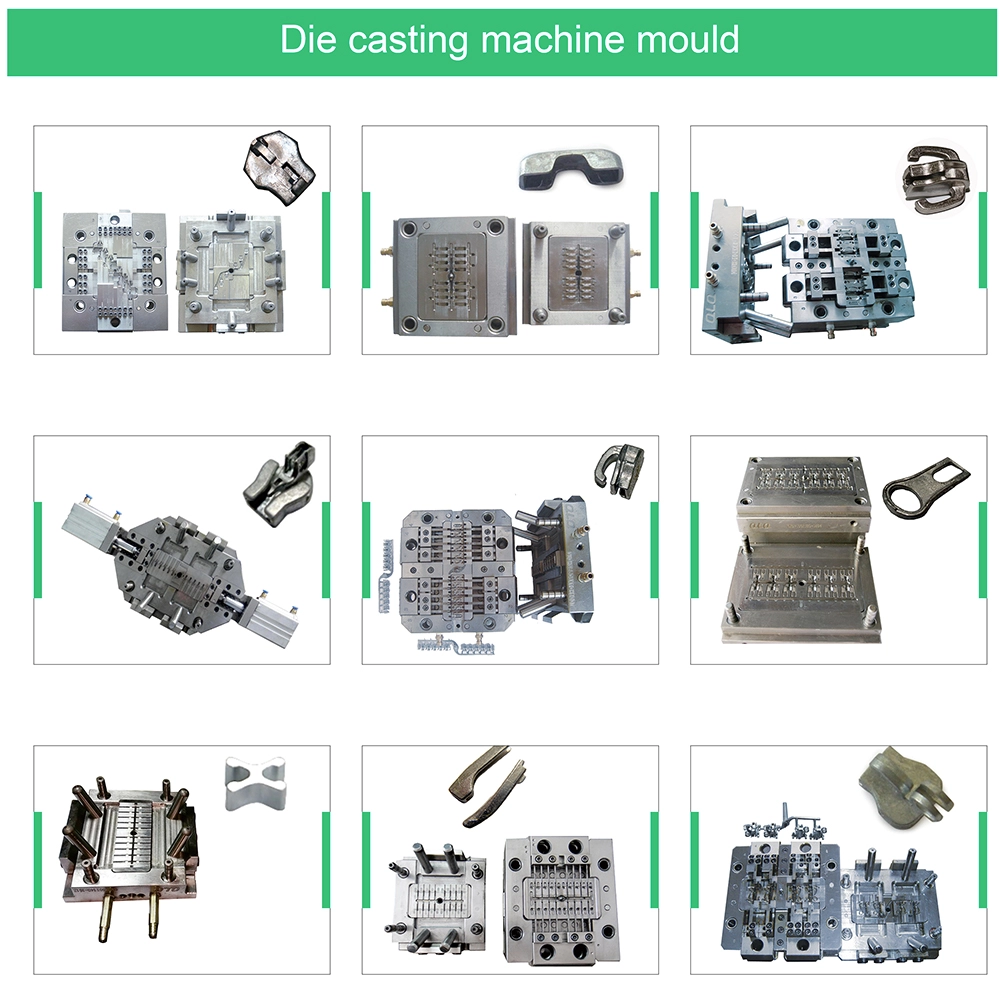
A zinc die casting line sat at 78 percent yield while the scrap log showed porosity at 34 percent, cold shuts at 22 percent and flash at 18 percent. The data existed; nobody reviewed it by machine and die.
This management case guide shows how scrap log review, per-machine parameter cards and a first-shot gate lifted the line to 91 percent in fourteen weeks.

Common Mistakes and How to Avoid Them
| Mistake | Why It Happens | Practical Fix |
|---|---|---|
| 1. Scrap logged, never reviewed | Same codes repeat weekly | Run a Pareto review per machine |
| 2. Parameters set by memory | Setup varies per shift | Write machine cards per die |
| 3. No first-shot gate | Setup waste runs all shift | Gate the first 10 shots |
| 4. Scrap codes vague | Cause invisible | Code every reject at the press |
| 5. Maintenance by failure | Flash grows into stoppage | Trigger die service by flash threshold |
| 6. Yield blamed on operators | The system keeps the fault | Fix the card and the gate first |
| 7. No downtime log | Lost time invisible | Log every stop by reason |
| 8. Improvement not measured | Gains unproven | Track yield weekly per machine |
| 9. One rule for all machines | Different dies, same card | Cards per die, not per plant |
Best Practices
- Review scrap by machine and die every week
- Write a machine card for every die and enforce it
- Gate the first 10 shots after every set-up
- Code rejects at the press, not at the desk
- Trigger die maintenance from flash measurement
- Publish yield per machine on a visible board
Implementation Roadmap
| Step | Frequency |
|---|---|
| Code scrap at the press | Every shift |
| Gate first shots | Every set-up |
| Review Pareto | Weekly, per machine |
| Update machine cards | After every accepted trial |
| Publish yield | Weekly board, per machine |
Yield improvement flow
- Log - Code every reject at the press. (Vague codes hide the cause.)
- Review - Weekly Pareto by machine and die. (Data without review changes nothing.)
- Card - Proven parameters per die. (Memory setup drifts per shift.)
- Gate - First 10 shots per set-up. (Ungated set-ups waste the shift.)
Yield follows the machine and die, not the operator. | A maintained card turns a good trial into standard practice.
Yield control data
Reference values for die casting yield management.
| Parameter | Reference | Why It Matters |
|---|---|---|
| Yield target | 90% good shots or better | Baseline was 78% on this line |
| First-shot gate | First 10 shots per set-up | Catches setup waste early |
| Pareto review | Weekly per machine | Top three codes drive the plan |
| Scrap coding | At the press, per code | Desk coding loses the cause |
| Machine card update | After a proven trial | One shift of data minimum |
| Flash trigger | 0.10-0.15 mm | Die service before stoppage |
| Yield board | Weekly per machine | Visible numbers hold the system |
Scrap code review board
| Code | Share of scrap | Action owner |
|---|---|---|
| Porosity | 34% | Process engineer, melt and shot |
| Cold shut | 22% | Setup, sleeve preheat |
| Flash | 18% | Toolroom, parting line |
| Others | 26% | Per code, weekly |
Case 1 - yield raised from 78% to 91% in fourteen weeks
Scenario. A line ran at 78 percent yield with scrap logged but never analyzed. Porosity, cold shuts and flash together made up 74 percent of rejects, and each shift set parameters from memory.
Action.
Result.
Case 2 - six machines, no data, one board
Scenario. A second plant with six machines kept no scrap records at all; yield was estimated at 81 percent and every machine was treated the same.
Action.
Result.
Frequently Asked Questions
Why 78% and not better?
Scrap was logged but never reviewed; the same three codes repeated every week.
What is a machine card?
A written record of proven melt, shot, die and lube parameters for one die on one machine.
How fast can yield move?
This line gained 13 points in fourteen weeks; most plants see 5-10 points in the first two months.
Do I need software?
No - a paper card, a scrap board and a weekly Pareto review run the system.
Who codes scrap?
The operator at the press, using a short code list; desk coding loses the cause.
How many shots to gate?
The first 10 after every set-up; setup waste is the cheapest scrap to catch.
When is a die sent for service?
When parting line flash exceeds 0.10-0.15 mm, not when it stops the machine.
Why per-machine boards?
Machines differ; a plant average hides the worst one.
What about the operators?
Cards and gates remove the guessing; operators enforce a system that is already right.
What Would You Like to Solve?
Tell us your current yield, scrap codes and how setups are run, and we can work through the card and gate system for your line.