

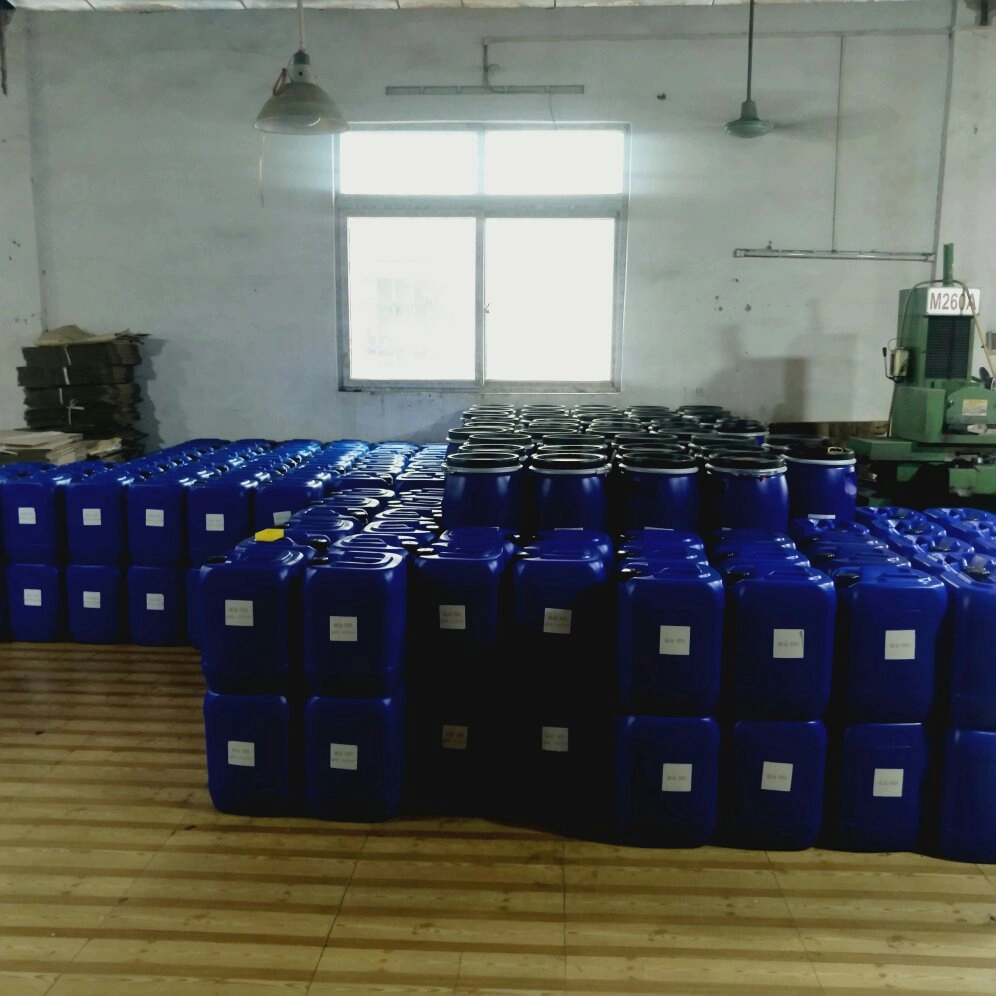
For three weeks, the first barrel load of every shift came out burned on the edges. Zinc alloy bag sliders showed a 4.8 percent reject rate until load weight and current ramp were written into a standard.
This case study walks through the investigation and the fix: weighing every load, starting the ramp at 55 percent of target current, and checking the first load after five minutes. The same discipline applies to any barrel line running small hardware, and it needs no new equipment.

Common Mistakes and How to Avoid Them
| Mistake | Why It Happens | Practical Fix |
|---|---|---|
| 1. First load at full current | Current concentrates on contact points before parts mix | Ramp from 55% over 3 minutes |
| 2. Load weight guessed | Heavy loads starve the core and burn the surface | Weigh every load on the station scale |
| 3. Barrel overfilled | Poor contact and shadow inside the load | Keep loads inside the barrel rating |
| 4. Ramp skipped after breaks | The same burn pattern returns | Ramp after every stop and restart |
| 5. No first-load check | Burns found only at unload | Open and inspect after 5 minutes |
| 6. Mixed part sizes in one load | Uneven current and welding of small parts | Sort parts by size range |
| 7. Small parts in large perforations | Parts escape or jam the barrel | Match perforation to part size |
| 8. Barrel speed too fast | Part damage and rough deposits | Run 6-12 rpm per geometry |
| 9. No load log | Faults repeat without a trace | Record weight, ramp and result per load |
Best Practices
- Weigh every load against the barrel rating before immersion
- Start current at 55 percent and ramp over three minutes
- Check the first load five minutes after the barrel starts
- Match perforation size to the smallest part in the load
- Log load weight, ramp and result on the shift card
- Review the first-load record at every shift handover
Implementation Roadmap
| Step | Frequency |
|---|---|
| Weigh the load | Every batch |
| Set ramp at 55% | Every load start |
| Inspect first load | 5 minutes after start |
| Log weight and ramp | Per batch |
| Review burn record | Per shift handover |
First-load protection flow
- Weigh - Load to barrel rating on station scale. (An overfilled barrel burns and contacts poorly.)
- Set ramp - 55% of target current over 3 minutes. (A full-current start burns edges.)
- Check - First load at 5 minutes. (A late check wastes the whole load.)
- Log - Weight, ramp and result per load. (An unlogged load repeats its fault.)
Load weight stays inside the barrel rating, typically 30-60 kg by volume. | Ramp rate follows part geometry and bath, but 55% over 3 minutes is the safe start.
Load and ramp reference data
Reference values for zinc alloy barrel plating first loads.
| Parameter | Reference | Why It Matters |
|---|---|---|
| Load weight | 30-60 kg per barrel by rating | Overload burns and contacts poorly |
| Ramp start | 55% of target current | Full start burns edges |
| Ramp time | 3 minutes typical (2-5) | Too fast roughens the deposit |
| Barrel speed | 6-12 rpm per geometry | Fast speed damages small parts |
| First-load check | 5 minutes after start | Early check saves the load |
| Load log | Weight, ramp, result per batch | Patterns need written data |
| Reject target | Below 1% first-load burns | Discipline, not chemistry, fixes this |
First-load check card
| Check | Target | Action |
|---|---|---|
| Load weight | Within barrel rating | Reject and re-weigh |
| Ramp | 55% start, 3 min | Reset before start |
| Barrel speed | Per geometry | Adjust before immersion |
| First load | Inspect at 5 min | Stop if burning |
Burn pattern quick map
| Symptom | Likely cause | First fix |
|---|---|---|
| Edges burned | Full current start | Restore the ramp |
| Core thin | Overloaded barrel | Reduce load weight |
| Spot burns | Dirty dangler contact | Clean contacts |
| Welded pairs | Overload and high current | Weigh and ramp |
Case 1 - burned first loads traced to full-current starts
Scenario. A plant plating zinc alloy bag sliders rejected 4.8 percent of first-shift loads for three weeks; every morning the barrel started at full current to hit the production target.
Action. The batch log matched each burn to a full-current start, so the ramp was standardized at 55 percent over three minutes and loads were weighed to 45 kg on the 60 kg barrel rating.
Result.
Case 2 - cold-start burns on steel hex nuts in Vietnam
Scenario. A fastener line in Vietnam burned thread crests on steel hex nuts every Monday, when the line restarted after the weekend and the ramp timer had reset to zero.
Action. Operators added a restart checklist that confirmed the ramp timer before the first load, and weighed the Monday loads to 80 percent of rating.
Result.
Frequently Asked Questions
Why does the first load burn so often?
Cold parts and a full-current start concentrate current on contact points before the load mixes.
How much should a barrel carry?
Use the barrel rating, typically 30-60 kg by volume; weigh every load instead of guessing.
What is a safe ramp start?
55 percent of target current, ramped over three minutes, adjusted to part geometry and bath.
Why check at five minutes?
The first minutes show burning or poor contact while the load can still be corrected.
What barrel speed works?
Fast enough to mix the load and slow enough to protect parts; 6-12 rpm suits small hardware.
Why sort parts by size?
Mixed sizes take current unevenly and small parts weld where they touch.
What if perforation is too large?
Parts escape or jam; change the barrel or the part basket to match the part.
How do I prove the fix?
Log weight, ramp and result per load and compare rejects before and after.
Can this apply to other metals?
Yes - the load and ramp discipline is bath-independent and works for zinc, nickel and copper lines.
What Would You Like to Solve?
Tell us your barrel size, part geometry and current settings, and we can help set the load weight, ramp rate and first-load check for your line.