

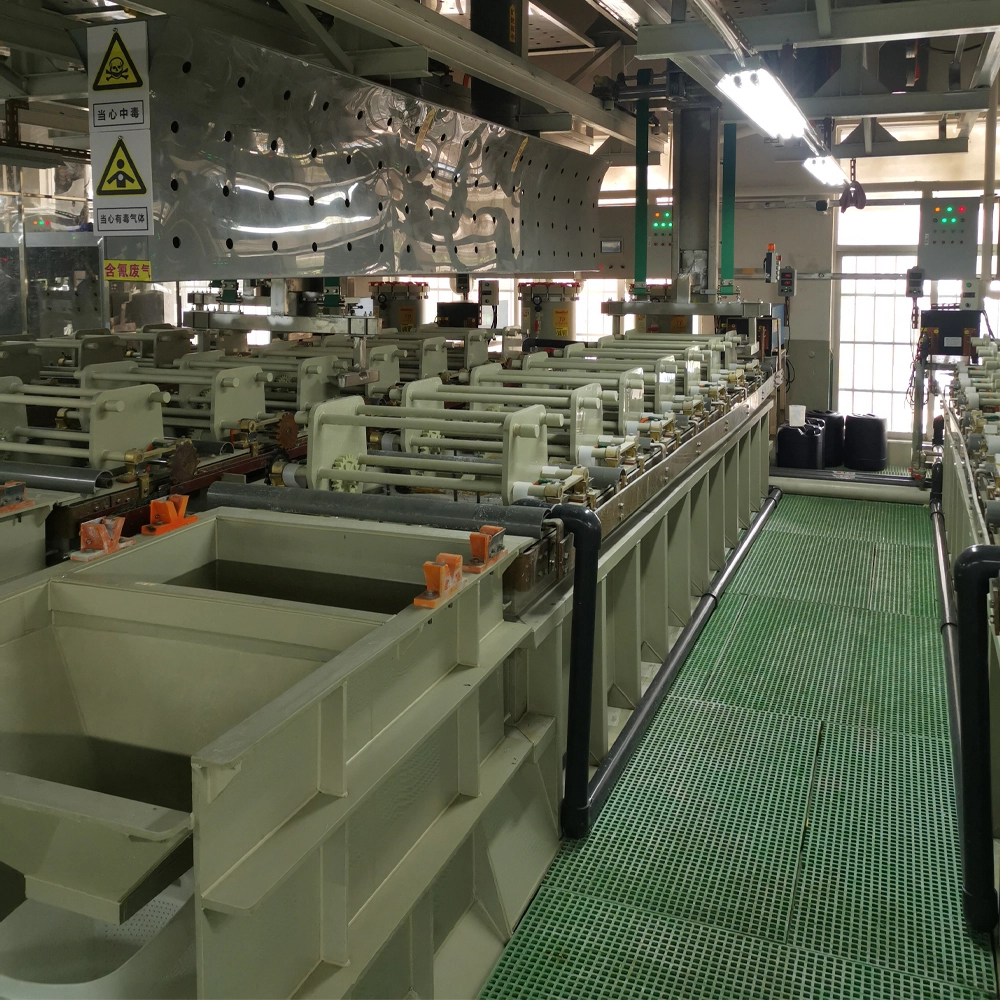
When a senior changes a product from one barrel to another, or opens a new load type, the old current profile stops being valid. The plating signature - amps over time, load behaviour and thickness response - must be transferred, not guessed.
This senior guide covers load conversion planning: building signature cards, scaling current by surface area, running a controlled first batch and using the thickness map to approve the change.
Common Mistakes and How to Avoid Them
The pitfalls that show up most often in real projects, with the cause and the practical fix.
| Mistake | Why It Happens | Practical Fix |
|---|---|---|
| 1. Copying the old current profile | New geometry burns or plates thin | Scale by surface area, then confirm |
| 2. Skipping the small first batch | Full load rejects before data exists | Run a controlled trial load |
| 3. No baseline thickness map | Cannot tell if conversion worked | Map 3 points per part before approval |
| 4. Changing two variables at once | Cannot assign cause of a fault | Change one variable per trial |
| 5. Old program deleted too early | No rollback when the trial fails | Keep old settings until approval |
| 6. Ignoring drum differences | Different drums behave differently | Re-check signature per barrel |
| 7. One successful batch means done | Long-term drift hides later | Monitor first 10 batches after change |
| 8. No A-hr logging | Bath drift is blamed on conversion | Track A-hr by load type |
Best Practices That Hold Up in Production
The operating disciplines that separate a reliable line from a reactive one.
- Write a signature card before the first conversion batch
- Scale current from surface area, then verify with trial data
- Run one small controlled batch before full production
- Keep the old program available until the new one passes
- Monitor the first ten batches after any load conversion
Implementation Roadmap
A practical sequence that can be adapted to your own project.
Process Flowchart
Load conversion flow
A step-by-step sequence with notes and cautions so every shift follows the same order.
- The signature card records what the load actually needs, not what the previous load needed.
- A-hr tracking must follow the load type, otherwise bath drift is blamed on conversion.
- Never change load type and barrel together in the same trial.
- Keep the old program on file until the tenth batch passes.
Working Data & Formula Notes
Signature transfer data
Example scaling logic for conversion planning; confirm against your own surface measurements.
| Component / Parameter | Working Value / Role | What Changes Mean (annotation) |
|---|---|---|
| Old load area | Measured m2 per barrel | Baseline for scaling |
| New load area | Measured m2 per barrel | Driver of the new current |
| Current density | A/dm2 from the old card | Kept constant in the first trial |
| New current | Area x current density | Starting set point, then verified |
| Trial size | 20-30% of normal load | Limits loss if the signature is wrong |
Reference Data
Specifications and references cited in this guide. Confirm final parameters with your line supplier.
Conversion risk checklist
| Change | Risk | Control |
| New load type | Burns or thin recesses | Signature card and trial batch |
| Different barrel | Different tumbling and contact | Per-barrel verification |
| New media | Scratches or poor exposure | Small trial before production |
| New current program | Bath drift if A-hr ignored | Log A-hr per load type |
| Product family change | Geometry response differs | Three-point thickness audit |
Implementation Cases
Case 1 - converting an open load to a new product
Situation. A plant moved a spring-loaded slider family from a mixed barrel program to a dedicated barrel. The operator copied the old amps and the first full load burned at the drum mouth.
Approach. The senior built a signature card: measured the new surface area, set the same current density, ran a 25% trial load and mapped thickness before approving full production.
Outcome. The trial passed, full loads ran without burn, and the signature card became the standard for every load conversion.
Case 2 - the barrel swap that silently thinned the deposit
Situation. A large barrel replaced a small unit for a stable product. The same program produced parts 18% thinner after the swap, and the bath was dosed twice before anyone questioned the drum.
Approach. A three-point audit across the new drum showed a door-to-drive-end gradient. The senior checked contact resistance, adjusted the ramp, and re-ran a trial with A-hr logging.
Outcome. Thickness returned to spec; the plant now verifies every barrel change with one trial load before production.
Frequently Asked Questions
Why keep the old program during a conversion?
It gives a rollback path if the trial load fails.
How do I scale current to a new load?
Measure the surface area and keep the same current density.
What is a signature card?
A record of amps, time, ramp, load weight and thickness response for one load type.
How big should the trial load be?
About 20-30% of normal so a wrong setting costs little.
How do I know the conversion passed?
Three-point thickness maps in spec across the trial load and stable repeats.
Why monitor ten batches?
Contact wear, media changes and bath drift show up over time, not on day one.
Can I change two variables at once?
No; one variable per trial so the cause stays identifiable.
Who owns A-hr during conversion?
The senior process owner, until the load type is stable.
What Would You Like to Solve?
If you are planning a load conversion, barrel swap or program transfer, send us your old signature cards, surface areas and trial results. We can help build the scaling calculation and first-batch approval gate that protect production.
Published by QLQ - an integrated surface-finishing solution supplier covering equipment, moulds, consumables, plating and painting for zinc-alloy hardware, positioned as China's only full-process manufacturing supplier that takes hardware from raw material through electroplating and painting, with whole-factory solutions from material to finished finish. Values cited are project references; confirm with your line supplier before specification.