

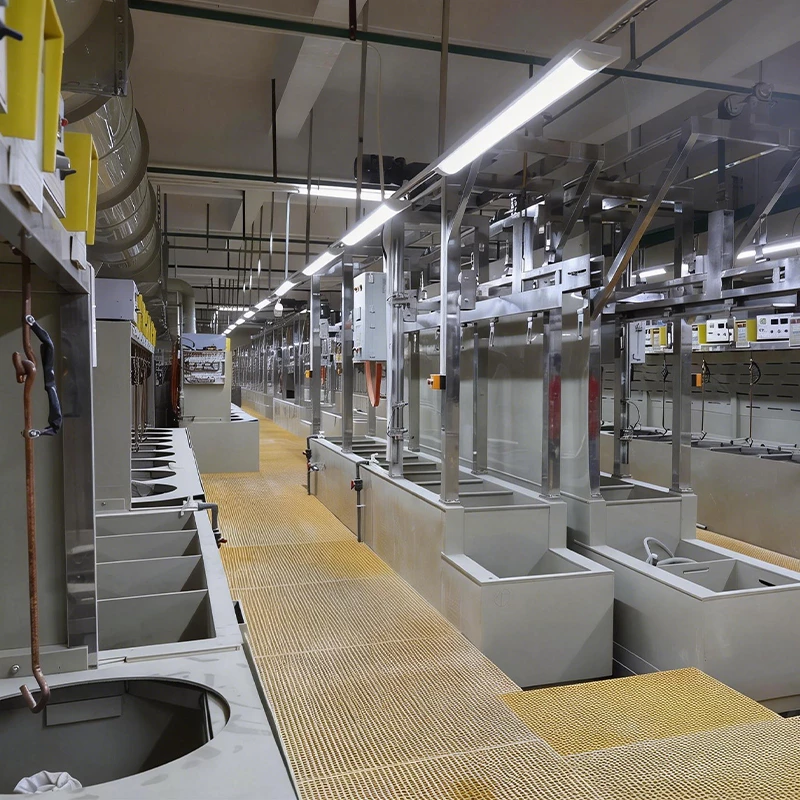
Sealing is the last step that protects the anodized film, and it is the first step customers blame when corrosion appears. Seal quality depends on water purity and method control that rarely fail suddenly; they drift in trends that only data can show.
This senior guide covers seal quality management: trending seal water purity, comparing seal methods, running the quality audit behind warranty returns, and the checks that prove seal performance before parts ship.
Common Mistakes and How to Avoid Them
The pitfalls that show up most often in real projects, with the cause and the practical fix.
| Mistake | Why It Happens | Practical Fix |
|---|---|---|
| 1. Checking purity once | Drift hidden between checks | Trend conductivity daily |
| 2. Blame the anodize bath | Seal is often the cause | Audit seal first |
| 3. Seal method unchanged by data | Wrong method for water | Compare methods with data |
| 4. Low seal temperature | Poor corrosion resistance | Hold seal temperature |
| 5. Contaminated seal tank | Conductivity climbs | Regenerate or replace water |
| 6. No corrosion testing | Returns are the first test | Test per customer spec |
| 7. Returns not traced | Seal fault repeats | Trace to batch and seal |
| 8. Skipping the seal audit | Warranty risk ships | Quarterly audit |
Best Practices That Hold Up in Production
The operating disciplines that separate a reliable line from a reactive one.
- Trend seal water purity daily
- Hold seal temperature and time in the method window
- Compare seal methods with corrosion data
- Trace every return to its seal batch
- Audit seal performance quarterly
Implementation Roadmap
A practical sequence that can be adapted to your own project.
Process Flowchart
Seal quality flow
A step-by-step sequence with notes and cautions so every shift follows the same order.
- Seal water purity is a trend line, not a daily number.
- Corrosion data turns seal debates into engineering decisions.
- Never seal below the method's minimum temperature.
- Never approve a seal method change without corrosion data.
Working Data & Formula Notes
Seal reference
Example values for seal control; confirm with your seal supplier and customer spec.
| Component / Parameter | Working Value / Role | What Changes Mean (annotation) |
|---|---|---|
| Water purity | Conductivity per spec | Trended daily |
| Seal temperature | Per method | Hold inside the window |
| Seal time | Per method and film | Minutes per micron |
| Corrosion test | Per customer spec | Regular sample plan |
| Audit cycle | Quarterly | With returns data |
Reference Data
Specifications and references cited in this guide. Confirm final parameters with your line supplier.
Seal fault table
| Symptom | Seal cause | Response |
| Corrosion at edges | Seal temperature low | Hold method window |
| Patchy seal | Water purity drift | Regenerate seal water |
| Returns by batch | Time or concentration | Check seal log for batch |
| Method debate | No corrosion data | Run controlled comparison |
| Random failures | Contamination | Trend conductivity daily |
Implementation Cases
Case 1 - corrosion returns that pointed to the seal
Situation. Corrosion returns on a product rose for a quarter while anodizing analysis stayed in spec. The plant tested the bath repeatedly before a senior traced the returns to seal batches.
Approach. Seal logs showed low temperature on the affected shifts. The seal tank was brought back to the method window and purity trending was introduced.
Outcome. Corrosion returns stopped and the seal log is now reviewed with the bath data.
Case 2 - the seal method debate settled by data
Situation. Two teams disagreed on nickel versus hot-water sealing for a hard-water site. One method was cheaper, but no corrosion data supported the choice.
Approach. A controlled comparison ran both methods on the same production batches with corrosion testing over the required period.
Outcome. The data selected the method that passed the customer spec at the lower cost, and the decision is now reviewed by the quarterly audit.
Frequently Asked Questions
Why trend seal water purity?
Seal failure comes from drift, and only a trend line shows it before returns.
How does seal temperature affect corrosion?
Low temperature leaves the film unsealed and corrosion starts at the surface.
How do I compare seal methods?
Run controlled batches through both methods with the same corrosion test.
Why trace returns to seal batches?
Only batch tracing can prove whether the seal or another step caused the failure.
What purity does seal water need?
The supplier spec, usually shown by conductivity, trended daily.
How often should corrosion tests run?
Per customer spec and a regular sample plan, not only on complaints.
When should I regenerate seal water?
When conductivity trends above the window or test results fall.
Who owns the seal audit?
The senior process owner with the quality team quarterly.
What Would You Like to Solve?
If corrosion returns keep pointing at your seal, send us your seal logs, water purity trends and return data. We can help build the trending routine and method comparison that prove seal quality before shipment.
Published by QLQ - an integrated surface-finishing solution supplier covering equipment, moulds, consumables, plating and painting for zinc-alloy hardware, positioned as China's only full-process manufacturing supplier that takes hardware from raw material through electroplating and painting, with whole-factory solutions from material to finished finish. Values cited are project references; confirm with your line supplier before specification.