

Professional Zinc Alloy Surface Finishing Solutions
Saccharin
Saccharin
Tạo mã QR
-
Estimated Delivery:Oct 02 - Oct 06
-
Free Shipping & Returns: On all orders over $75
Product description
Shipping & Return
Product Overview
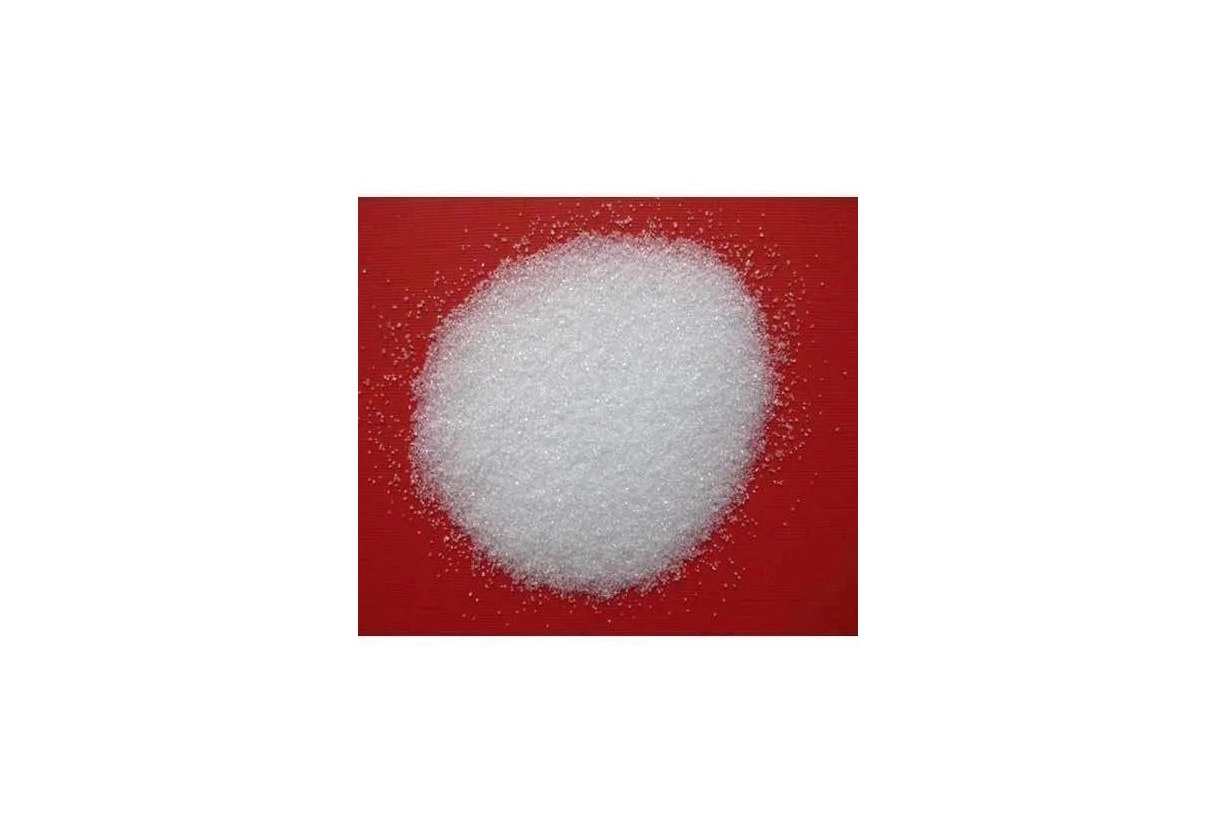
Saccharin (o-Sulfobenzimide, C7H5NO3S) is the most important stress-reducing agent in modern bright nickel plating. Although chemically it is the same compound as the old artificial sweetener, plating-grade saccharin is a white crystalline powder of ≥ 98% purity, sold on content (not on sweetness). In a nickel bath it does two jobs at once: it reduces internal tensile stress of the nickel deposit (preventing cracks and peeling) and it refines the grain, which raises brightness and leveling. Market grades commonly seen: industrial grade 98%+ and premium 99.5%+ with lower o-sulfamoylbenzoic acid (insolubles). Cheap grades with high insolubles leave rough, hazy deposits and clog filters.
Product Identity (Encyclopaedia Card)
| Property | Value |
|---|---|
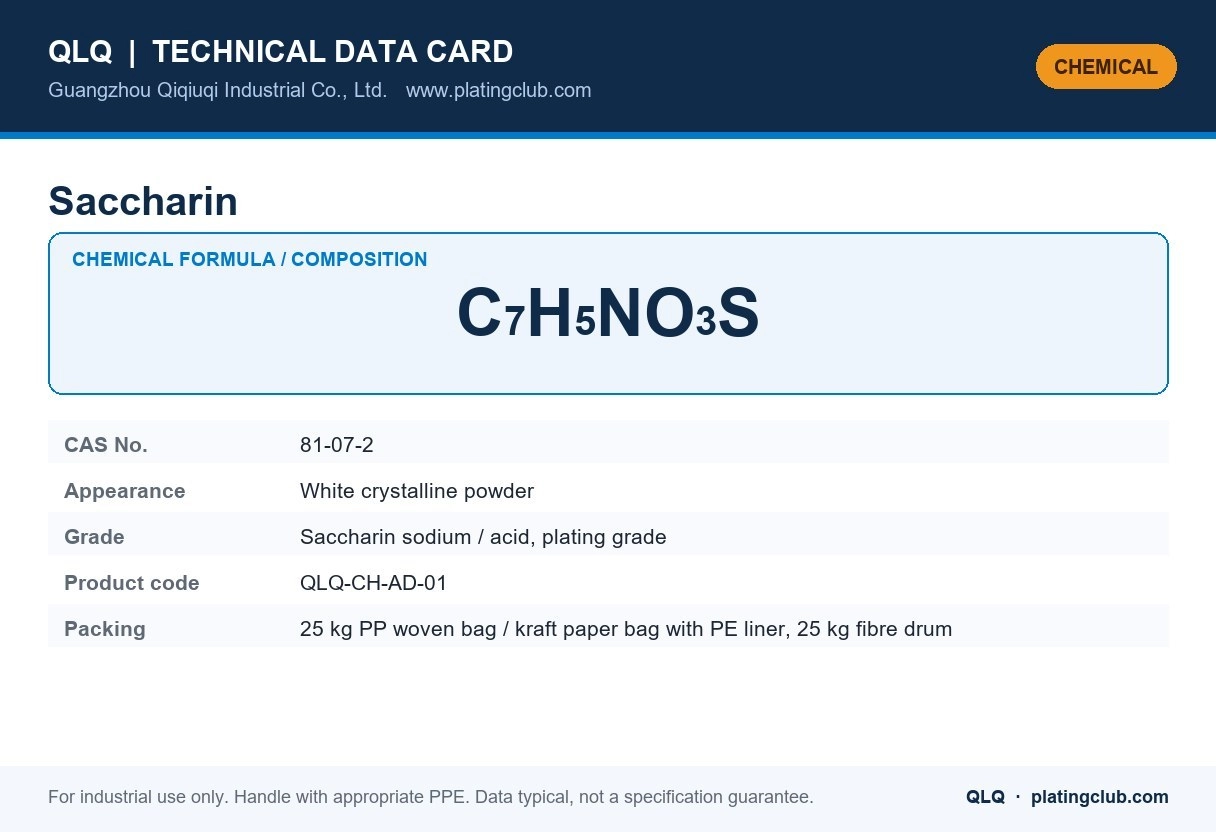
| Chemical name | Saccharin |
| Chemical formula | C7H5NO3S |
| CAS number | 81-07-2 |
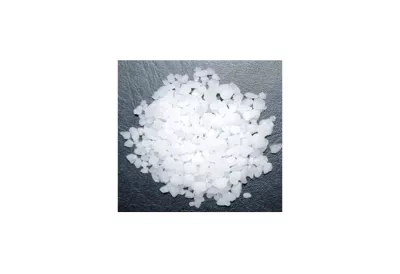
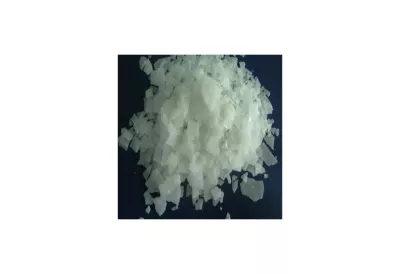
| Appearance | White crystalline powder |
| Grade / type | Saccharin sodium / acid, plating grade |
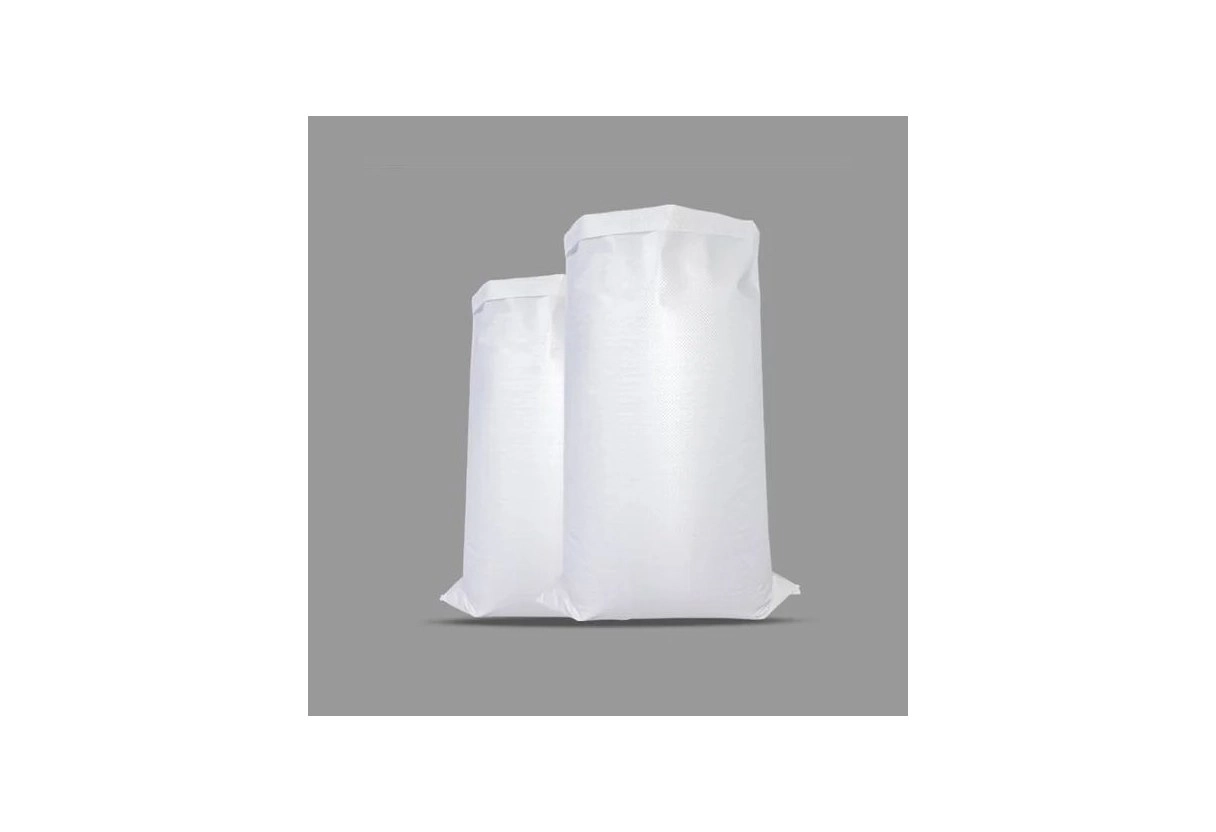
| Standard packing | 25 kg PP woven bag or kraft paper bag with PE inner liner; 25 kg fibre drum |
What it is and what it does. Saccharin (and its sodium salt) is the primary brightener of the nickel plating bath. It is the classic secondary brightener that gives the deposit its levelled, mirror-bright appearance by refining the grain.
- White crystalline powder; used at 0.5-2 g/L in the Watts nickel bath.
- It reduces internal stress and increases the sulphur content of the deposit, which is what gives the bright levelled finish.
- Overdosing increases the sulphur level and makes the deposit more susceptible to corrosion in the layered bright nickel systems.
Typical Use in a Plating / Finishing Line
| Item | Typical guidance |
|---|---|
| Watts nickel bath | 0.5-2 g/L saccharin, added against the analysis or the Hull cell result |
| Analysis | By HPLC or by the standard colorimetric method |
| Control | Regular Hull cell checks keep the brightener balance right |
Safety, Handling & Storage
| Item | Requirement |
|---|---|
| Hazard classification | Not classified as dangerous for transport in most cases; observe good industrial hygiene and dust control |
| Personal protective equipment | Dust mask, goggles and gloves for powder handling; general ventilation |
| Spill / first aid | Sweep up dry; material is a nuisance dust — avoid breathing the dust |
| Storage | Cool, dry, sealed store; keep bags closed, off the floor and away from moisture |
| Transport | Classified and packed according to IATA/IMDG for the hazard class; UN number and packing group stated on the shipping documents |
Quality Documents Shipped With Every Batch
| Document | Comment |
|---|---|
| COA (certificate of analysis) | Provided with the shipment; batch traceable to the production date |
| MSDS (safety data sheet) | Provided with the shipment; batch traceable to the production date |
| Packing list | Provided with the shipment; batch traceable to the production date |
| Commercial invoice | Provided with the shipment; batch traceable to the production date |
| Certificate of origin on request | Provided with the shipment; batch traceable to the production date |
Buyer Questions We Answer Every Week
| Question | Answer |
|---|---|
| Should I use saccharin acid or sodium saccharin? | Both are used; the sodium salt dissolves a little more readily and is the more common choice. |
| Why does the deposit become brittle? | Usually an overdose of the sulphur-bearing brightener or organic contamination. |
| Item | Typical Value |
|---|---|
| Purity | ≥ 98% (plating grade), 99.5% premium |
| Appearance | White crystalline powder, no odor |
| Melting point | 226-230°C |
| Insolubles | ≤ 0.05% |
| Loss on drying | ≤ 0.3% |
| Standard packing | 25KG woven bag with PE liner |
How It Works in the Bath (Why Dosage Matters)
Saccharin adsorbs on the growing nickel surface and co-deposits in trace amounts (sulfur incorporation of 0.02-0.04%). This sulfur co-deposition is exactly what reduces tensile stress and later gives the bright nickel layer its anodic, sacrificial behavior over semi-bright nickel in double-layer systems. But it is a "more is worse" additive:
| Saccharin in bath | Effect on deposit |
|---|---|
| 0 g/L | High tensile stress, dull, cracks on bending |
| 0.5-1.5 g/L (normal) | Full brightness, stress near zero, good ductility |
| 2-3 g/L | Brightness plateaus; low-CD areas turn hazy gray |
| > 4 g/L (over-dosed) | Brittle, passive deposits; chromium will not plate on top (passive surface) |
Typical consumption: 15-30 g per 1000 Ah passed. In a busy barrel line running 500 Ah/day that is roughly 100-150 g per week - topped up by amp-hour dosing, not by feel.
Quality Checks Before Use
| Check | Method | Pass |
|---|---|---|
| Solubility | 5 g in 100 ml warm water | Clear, colorless, no film on surface |
| Purity | COA titration | ≥ 98% |
| Hull cell compare | Add 0.5 g/L to a tired bath panel vs new reference | Bright range restores without haze at low CD |
| Stress panel | Bend a thick test coupon 90° | No crack lines visible at 10x |
How QLQ controls it: each lot is Hull-cell verified in our own nickel bath before release. Because saccharin quality decides whether your chromium sticks the next day, we keep a retained sample of every lot we ship for 12 months - if your bath misbehaves, we re-test the exact batch you used.
Handling & Safety
- Toxicity: low acute toxicity, but plating-grade material is not food grade - gloves and dust mask when weighing; wash hands after handling.
- Dissolving: make a 10-20% stock solution in warm water and dose by amp-hour meter; never dump dry powder straight into the production bath (local over-dose = passive patches).
- Storage: dry, sealed, away from oxidizers. Caked powder still works if fully re-dissolved, but caking means moisture got in - check purity on the next lot.
- Bath side effects: excess saccharin is hard to remove; only dilution or electrolytic purification at low CD helps. Add little and often.
What It Does on Iron, Zinc Alloy, Copper and Stainless Steel Parts
| Substrate | What the saccharin-refined nickel layer gives you | Practice note |
|---|---|---|
| Iron / steel hardware | Ductile bright nickel that survives bending and stamping after plating without cracking | Keep 0.8-1.2 g/L; watch stress if parts are reformed later |
| Zinc alloy sliders | Sulfur-bearing bright nickel acts sacrificial over semi-bright nickel - key to CASS-test pass on sliders | Double-layer system: semi-bright (saccharin-free) + bright (with saccharin) |
| Copper / brass | Mirror-bright nickel-silver finish directly; saccharin grain-refining keeps the white bright from yellowing panels | Low CD areas stay bright only if dosage is in range - overdosing grays recesses |
| Stainless steel | In nickel strike baths saccharin reduces the high stress typical of strikes, stopping peel-back after copper build-up | 0.5-1 g/L in strike baths improves adhesion of the stack |
FAQ
| Question | Answer |
|---|---|
| Chrome will not plate on my nickel - is saccharin the cause? | Very likely if dosage drifted above ~3 g/L or the nickel sat too long before chrome. Rebalance by Hull cell analysis and activate in acid before chrome. |
| Can I judge saccharin by taste or appearance? | No. Purity differences of 2% never show visually. Rely on COA + your own Hull cell - that is exactly why we ship COA with every bag. |
| How often should I add? | By amp-hours: roughly 20 g / 1000 Ah as a starting point, then trim by panel results weekly. |
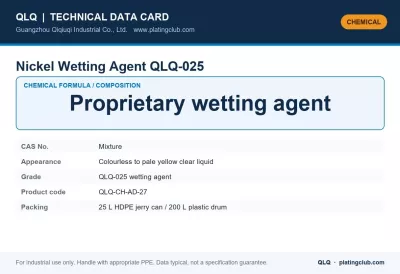
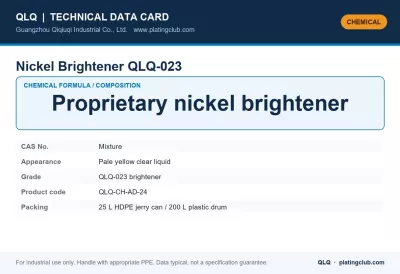
| Does QLQ provide a full brightener system too? | Yes - QLQ-023/024/025/026 brightener, leveler, wetting agent and purifier work as one system with this saccharin, and our engineers help you balance them. |
Bath misbehaving? Send photos of your panels to QLQ engineering - we diagnose saccharin/brightener balance remotely for customers in 10+ countries. Contact us.
Shipping cost is based on weight. Just add products to your cart and use the Shipping Calculator to see the shipping price.We want you to be 100% satisfied with your purchase. Items can be returned or exchanged within 30 days of delivery.