

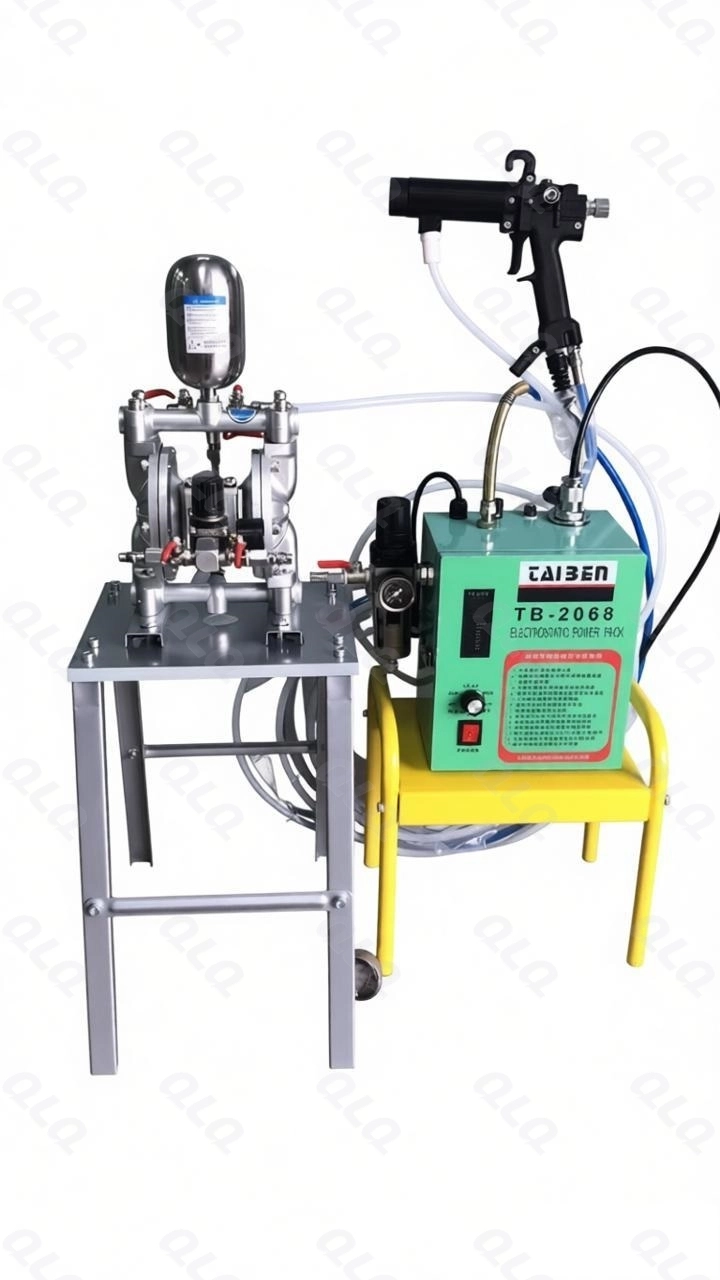
A powder booth that starts dirty cannot make a clean colour. Leftover powder in the hopper, hoses or recovery unit travels into the next batch as specks, and a rushed colour change turns the booth itself into the defect source.
This junior guide covers powder booth start-up and colour change: the clean-down sequence, gun and hose recovery, fluidization checks, and the purge card that proves the booth is ready.
Common Mistakes and How to Avoid Them
The pitfalls that show up most often in real projects, with the cause and the practical fix.
| Mistake | Why It Happens | Practical Fix |
|---|---|---|
| 1. Starting a dirty booth | Specks in the first batch | Clean-down before every change |
| 2. Skipping hose purge | Old colour hides in hoses | Purge hoses and inspect |
| 3. No hopper fluidization | Uneven powder flow | Fluidize before the first part |
| 4. Rushed clean-down | Colour change faults repeat | Follow the clean sequence |
| 5. No purge card | Clean-down cannot be proved | Sign after each change |
| 6. Reclaim mixed colours | Contamination travels | Check reclaim when changing |
| 7. Gun tips dirty | Pattern faults from day one | Clean gun and tips |
| 8. Filter blocked | Poor recovery and air | Check filters at start-up |
Best Practices That Hold Up in Production
The operating disciplines that separate a reliable line from a reactive one.
- Run the full clean-down before every colour change
- Purge and inspect hoses and gun tips
- Fluidize the hopper before the first part
- Sign the purge card after each change
- Check the first part for colour and specks
Implementation Roadmap
A practical sequence that can be adapted to your own project.
Process Flowchart
Booth start-up flow
A step-by-step sequence with notes and cautions so every shift follows the same order.
- The purge card makes booth readiness visible to the next shift.
- Reclaim is part of the colour-change decision, not an afterthought.
- Never blow down powder toward an open part rack.
- Never start a light colour with dark powder still in the reclaim.
Working Data & Formula Notes
Colour change reference
Working values for powder colour change; adapt to your booth and powder family.
| Component / Parameter | Working Value / Role | What Changes Mean (annotation) |
|---|---|---|
| Clean-down | Full booth | Walls, floor, filters |
| Hose purge | Until clear | Air purge per booth |
| Fluidize time | 1-2 minutes | Before the first part |
| Purge card | Every change | Signed and dated |
| First check | First part | Colour and specks |
Reference Data
Specifications and references cited in this guide. Confirm final parameters with your line supplier.
Colour change checklist
| Step | Check | Sign off |
| Booth empty | No parts or powder | Operator |
| Walls cleaned | No visible powder | Operator |
| Hoses purged | Clear air only | Operator |
| Gun tips clean | No old colour | Operator |
| Reclaim managed | Colour-safe | Operator |
| Purge card signed | Ready for light colour | Shift lead |
Implementation Cases
Case 1 - specks in the first light batch
Situation. A dark powder batch was followed by a light colour with only a quick blow-down. The first light batch came out specked and had to be re-coated.
Approach. The booth adopted a full clean-down sequence with hose purge and reclaim separation, signed on a purge card.
Outcome. Light batches stopped showing specks, and the purge card became part of the shift handover.
Case 2 - the hopper that pulsed
Situation. A booth started the day with uneven powder flow, and the first parts showed thin and heavy patches. The operator had skipped hopper fluidization after loading new powder.
Approach. Fluidization became a mandatory start-up step with a two-minute air time before the first part.
Outcome. Flow became even and start-of-day patchiness disappeared.
Frequently Asked Questions
When must I clean the booth?
Before every colour change, especially when moving dark to light.
Why purge the hoses?
Old powder sits in hoses and feeds specks into the next colour.
What is a purge card?
A signed record that the clean-down sequence was completed.
Why fluidize the hopper?
Fluidization makes the powder flow evenly instead of pulsing.
How do I manage reclaim?
Empty or purge reclaim when colour changes require it.
What do I check on the first part?
Colour accuracy and specks before the batch runs.
How long should fluidization take?
One to two minutes is a practical start-up check.
Who signs the purge card?
The operator signs each step and the shift lead confirms readiness.
What Would You Like to Solve?
If your first light batches keep showing contamination, send us your booth type, colour schedule and clean-down steps. We can help build the purge card and clean sequence that make every colour change safe.
Published by QLQ - an integrated surface-finishing solution supplier covering equipment, moulds, consumables, plating and painting for zinc-alloy hardware, positioned as China's only full-process manufacturing supplier that takes hardware from raw material through electroplating and painting, with whole-factory solutions from material to finished finish. Values cited are project references; confirm with your line supplier before specification.