

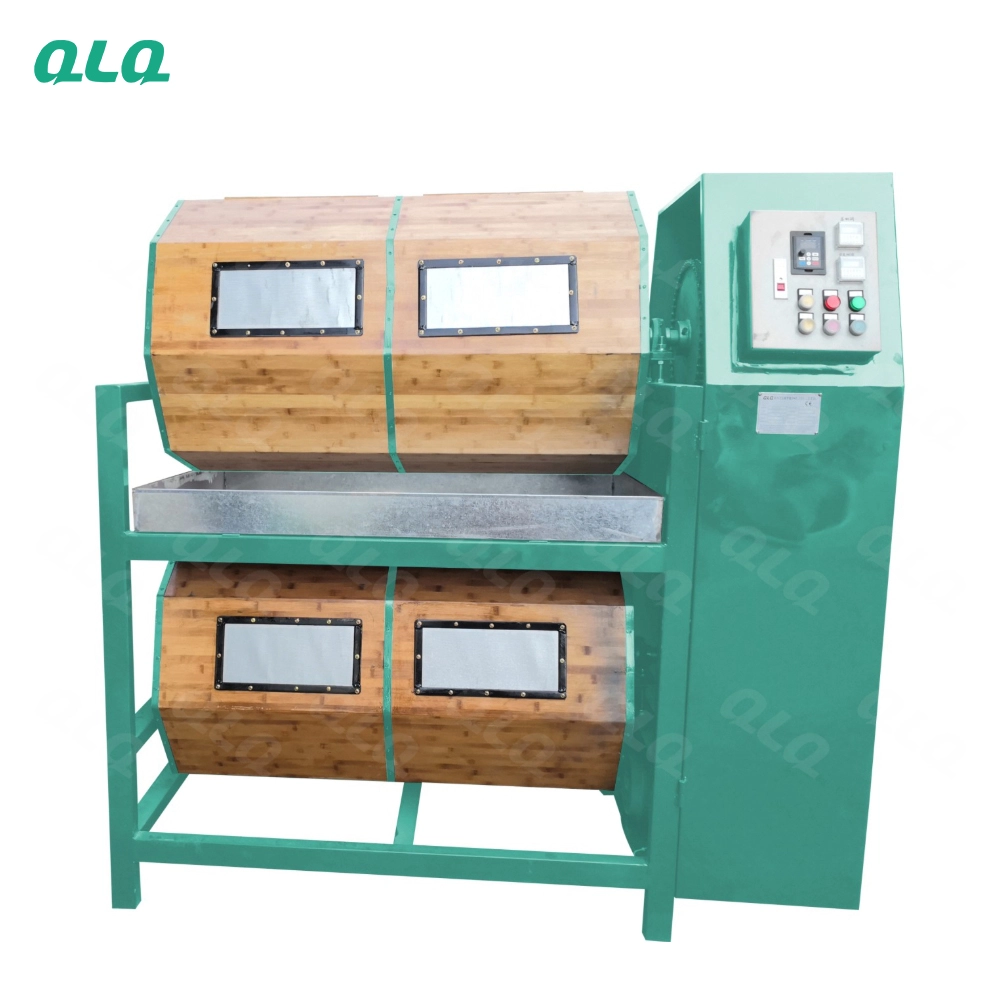
A polished zinc surface is ruined in seconds by a dropped part, a finger smear or a hard tray. Between-station handling decides whether the polish work survives to plating.
This junior guide covers work holding and handling: trays, gloves, racking and the rules that keep polished parts clean and undamaged.
Common Mistakes and How to Avoid Them
The pitfalls that show up most often in real projects, with the cause and the practical fix.
| Mistake | Why It Happens | Practical Fix |
|---|---|---|
| 1. Dropped parts | Dents that replate badly | Soft trays, short drops |
| 2. Finger smears | Plating adhesion faults | Gloves after polish |
| 3. Parts stacked | Surface contact marks | One layer only |
| 4. Hard trays | Micro dents | Soft liners |
| 5. Dust between | Re-contamination | Clean and cover trays |
| 6. Long pile-ups | Accidental drops | Rack in small batches |
| 7. No final check | Defect reaches plating | Check before the tray |
| 8. Wet parts in trays | Staining | Dry before holding |
Best Practices That Hold Up in Production
The operating disciplines that separate a reliable line from a reactive one.
- Use soft, clean, dry trays
- Wear gloves after polishing
- Keep parts one layer deep
- Rack in small batches
- Check each part before the tray
Implementation Roadmap
A practical sequence that can be adapted to your own project.
Process Flowchart
Handling flow
A step-by-step sequence with notes and cautions so every shift follows the same order.
- Handling is part of the polish process.
- One layer protects every surface.
- Never stack freshly polished parts.
- Keep trays covered in dusty areas.
Working Data & Formula Notes
Handling data
Reference rules for polished-part handling.
| Component / Parameter | Working Value / Role | What Changes Mean (annotation) |
|---|---|---|
| Tray | Soft, clean, dry | Hard trays dent |
| Layers | One | Stacking marks |
| Gloves | After polish | Smears fail adhesion |
| Check | Before tray | Stops defect travel |
Reference Data
Specifications and references cited in this guide. Confirm final parameters with your line supplier.
Handling card
| Step | Rule | Why |
| Tray | Soft liner | Protects surface |
| Gloves | Always | No smears |
| Layer | One | No contact marks |
| Cover | Clean area | No dust |
Implementation Cases
Case 1 - dents from hard trays
Situation. Polished sliders showed micro dents that appeared in nickel; parts sat in hard trays between machines.
Approach. Soft-lined trays were introduced and parts were kept one layer deep.
Outcome. Micro dents disappeared; soft trays became standard.
Case 2 - smears that failed adhesion
Situation. Plating adhesion failed on a batch; fingerprint smears from bare-hand handling after polishing were the cause.
Approach. Gloves became mandatory after polishing and trays were covered.
Outcome. Adhesion recovered; the glove rule is on every station card.
Frequently Asked Questions
Why soft trays?
Hard trays micro-dent a polished zinc surface that replates badly.
Why gloves after polishing?
Finger smears carry oil and fail plating adhesion.
Why one layer?
Stacked parts contact each other and leave surface marks.
Why check before the tray?
A defect should stop at the station, not travel to plating.
Why small rack batches?
Large pile-ups increase drops and accidental contact.
Why cover trays?
Dust on a polished surface re-contaminates before plating.
Can I hold wet parts?
Dry before holding; wet parts stain and mark trays.
Who owns handling?
Every operator on the line, because the surface is finished once.
What Would You Like to Solve?
Tell us your part sizes and station layout. We can help design the trays, glove rules and racking flow that protect polished surfaces.
Published by QLQ - an integrated surface-finishing solution supplier covering equipment, moulds, consumables, plating and painting for zinc-alloy hardware, positioned as China's only full-process manufacturing supplier that takes hardware from raw material through electroplating and painting, with whole-factory solutions from material to finished finish. Values cited are project references; confirm with your line supplier before specification.