
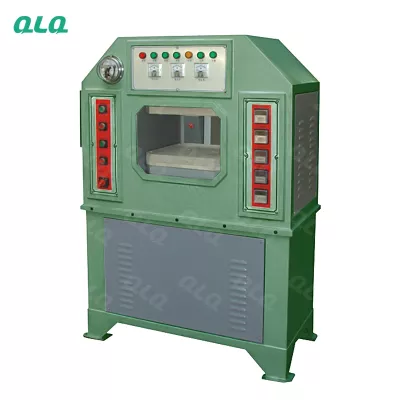
Moulds are capital, and capital needs a plan: spares by risk, refurbish budgets and multi-shift readiness. Managers who plan moulds keep the line running through failures and holidays.
This guide is the mould asset planning system.
Common Mistakes and How to Avoid Them
The pitfalls that show up most often in real projects, with the cause and the practical fix.
| Mistake | Why It Happens | Practical Fix |
|---|---|---|
| 1. No spare strategy | Stops stretch | Plan by risk |
| 2. Budget only at failure | Emergency cost | Annual refurbish budget |
| 3. One shift knows the moulds | Holiday stops | Multi-shift training |
| 4. No life tracking | Wear surprises | Shot counts |
| 5. Cheap spares | Short life | Original quality |
| 6. No audit | Plan decays | Quarterly audit |
| 7. Moulds unregistered | Value unknown | Register all |
| 8. No cost view | Invisible capital | Cost per mould |
Best Practices That Hold Up in Production
The operating disciplines that separate a reliable line from a reactive one.
- Plan spares by risk
- Budget refurbish annually
- Train multi-shift backups
- Track mould life
- Audit the plan
Implementation Roadmap
A practical sequence that can be adapted to your own project.
Process Flowchart
Asset planning flow
A step-by-step sequence with notes and cautions so every shift follows the same order.
- Spares by risk keep stops to minutes.
- The refurbish budget is insurance, not cost.
- Spare quality must match original.
- Safety applies to mould handling everywhere.
Working Data & Formula Notes
Working data - asset planning
Reference KPIs for mould asset planning.
| Component / Parameter | Working Value / Role | What Changes Mean (annotation) |
|---|---|---|
| Spare coverage | Percent of critical moulds | Stop length follows it. |
| Refurbish budget | Per mould per year | Prevents emergency cost. |
| Mould life | Shot count | Maintenance and replace trigger. |
| Backup coverage | Operators per shift | Holiday readiness. |
Reference Data
Specifications and references cited in this guide. Confirm final parameters with your line supplier.
Asset review
| Mould | Value | Risk |
| Spares | Budget | Life remaining |
| Backups | Audit date | Signed |
Implementation Cases
Case 1 - a spare that shortened a stop
Situation. A critical insert cracked at 2 a.m.
Approach. A planned spare was on the shelf; the stop was minutes, not days.
Outcome. The line restarted the same shift.
Case 2 - multi-shift training through a holiday
Situation. Only the day shift knew the moulds.
Approach. Night and holiday operators were trained as backups.
Outcome. The plant ran through the holiday.
Frequently Asked Questions
How do I plan spares?
By risk and value - critical, long-lead moulds first.
Why an annual refurbish budget?
Planned refurbish costs a fraction of an emergency.
What is multi-shift readiness?
Operators on every shift who can set and read the moulds.
Why track mould life?
Shot counts trigger refurbish and replace decisions.
Should I buy cheap spares?
No - quality mismatch shortens life and stops again.
Why audit the plan?
Plans decay; a quarterly audit keeps them real.
What is the cost view?
Cost per mould per thousand parts.
When is the plan done?
When every critical mould has a spare, a budget and a backup.
What Would You Like to Solve?
Register, spare by risk, budget annually, train every shift and audit quarterly. Moulds planned as capital stop surprising you.
Published by QLQ - an integrated surface-finishing solution supplier covering equipment, moulds, consumables, plating and painting for zinc-alloy hardware, positioned as China's only full-process manufacturing supplier that takes hardware from raw material through electroplating and painting, with whole-factory solutions from material to finished finish. Values cited are project references; confirm with your line supplier before specification.