

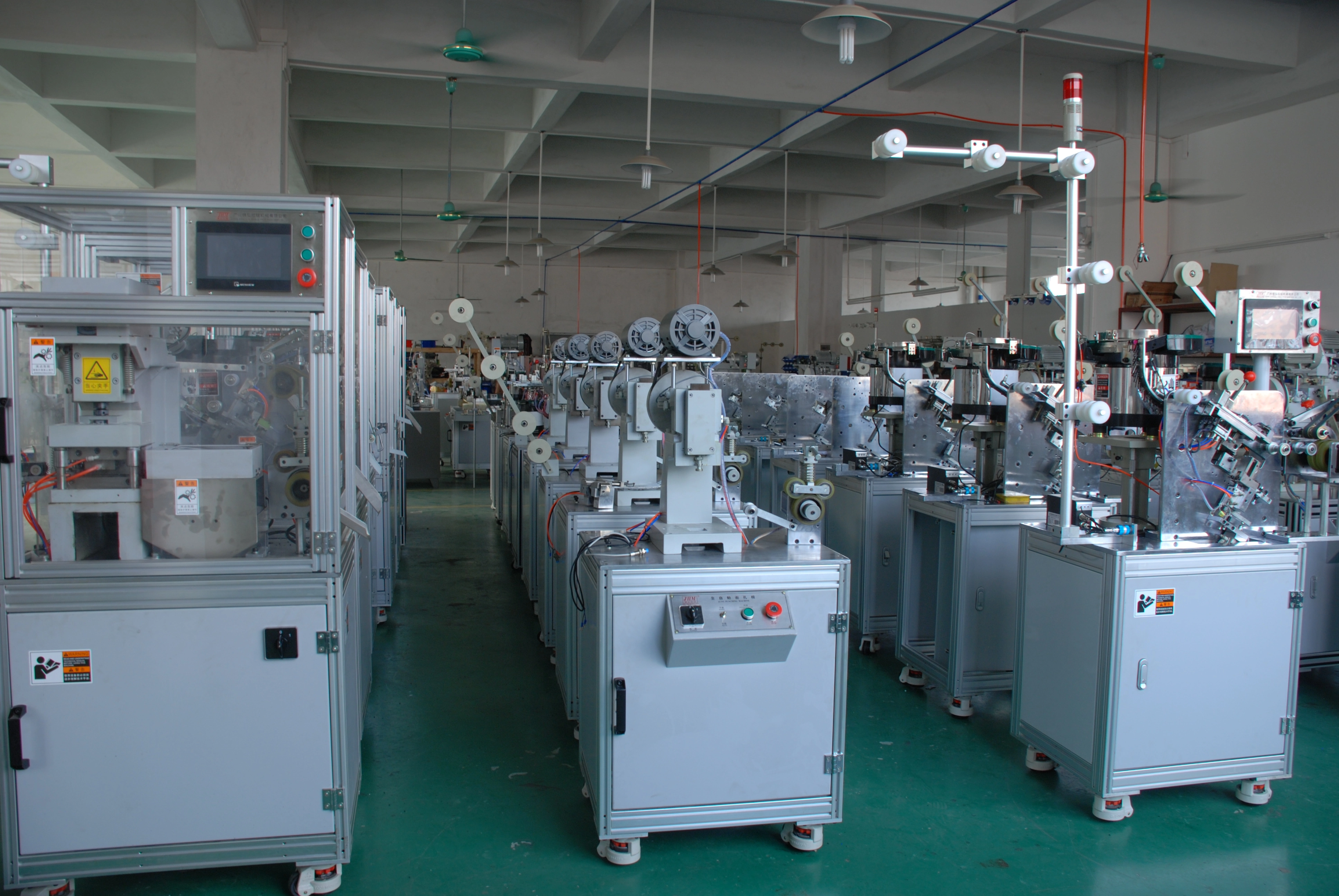
E-Coat Ultrafiltration Daily Checks: Flux, Pressure and Membrane Care — 电泳超滤系统日常点检:通量、压力与膜保养.
A working reference designed to be printed and used at the line. It complements the failure case studies in the Technician Hub with the standard documents those cases eventually produced.
Common Mistakes and How to Avoid Them
| Mistake | Why It Happens | Practical Fix |
|---|---|---|
| 1. Ignoring UF flux drop | Membrane fouling kills rinsing quality | Log flux per shift; clean on schedule |
| 2. Adding bath solids by feel | Conductivity drift causes rupture defects | Correct per analysis; verify rupture voltage after |
Best Practices
- UF flux trend chart on the wall
- Bath additions logged with rupture voltage retest
- Membrane cleaning calendar
Shift Bath Check
- Read UF flux - Trend vs last week (Falling flux fouls rinses)
- Conductivity and pH - Per control band (Out of band = correct, don't wait)
- Verify rupture voltage - After any addition (Additions shift the window)
Log sheet at tank | Escalate 2 out-of-band readings
E-Coat Control Reference
Bath control points for anodic/cathodic e-coat on hardware.
| Parameter | Reference | Why It Matters |
|---|---|---|
| Bath conductivity | Per supplier band | High = rupture; low = thin film |
| pH | Per supplier band | Affects deposition and stability |
| UF flux | Trend vs baseline | Falling flux degrades rinsing |
| Rupture voltage | Verify per bath change | Protects against breakdown defects |
Flux trend saved the membranes
Scenario. Rinse quality declined gradually with no visible cause.
Action. UF flux logged per shift showed a steady decline; cleaning restored it.
Result. Rinse defects stopped before a batch loss occurred.
Frequently Asked Questions
Why track UF flux per shift?
Falling flux means fouling. Clean on schedule rather than after rinse defects appear.
When must rupture voltage be retested?
After any bath addition or conductivity correction — the window shifts with the bath.
What does high conductivity cause?
Rupture and breakdown defects. Correct per analysis, not by dilution habit.
Implementation Roadmap
| Step | Frequency |
|---|---|
| UF flux logging live | Every shift |
| Correction table in use | Week 1 |
| Coulomb efficiency baseline | Month 1 |
What Would You Like to Solve?
If you would like this checklist or template adapted to your own line and part mix, contact QLQ — we supply the full equipment and chemistry package along with the working documents that make it run.