

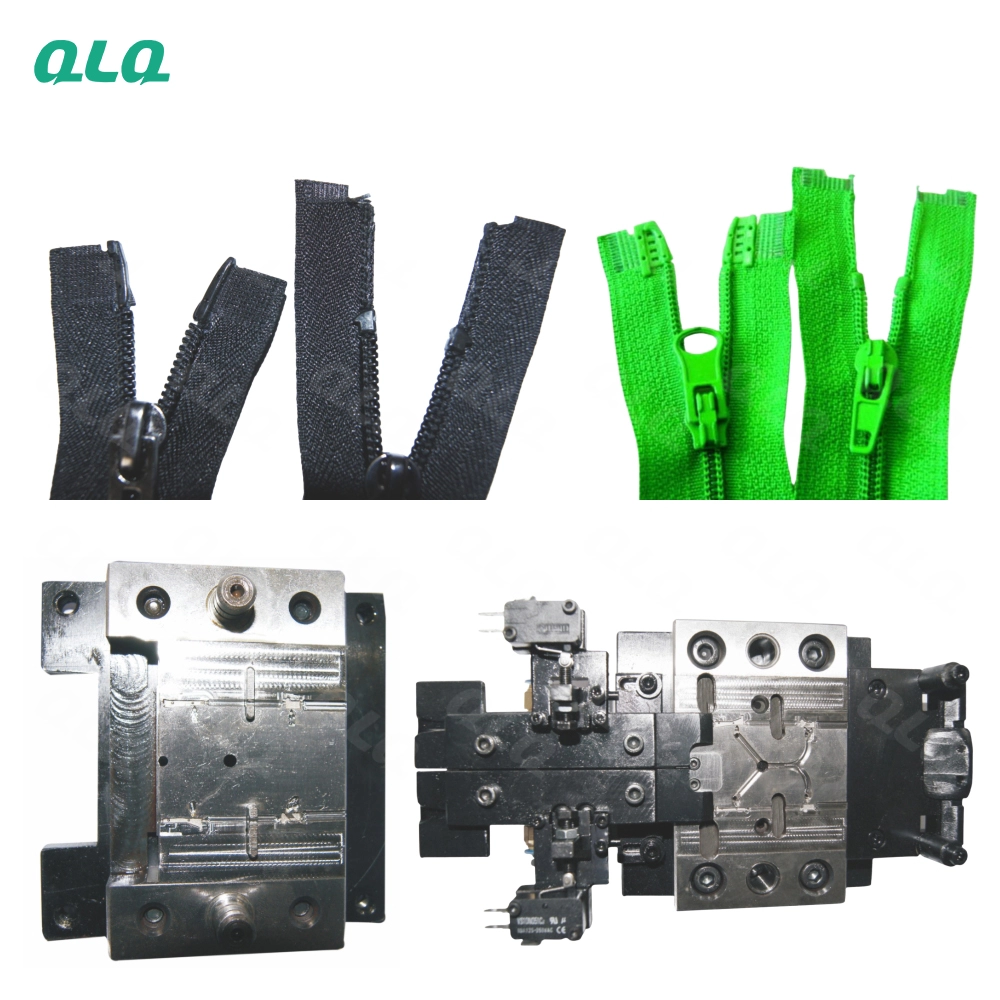
Mould life and casting surface start with steel selection and surface treatment. The same die design can last twice as long or fail early depending on the steel and the nitride layer.
This senior guide covers mould steel selection and surface treatment decisions: base steel, heat treatment, nitriding depth and the upgrade decision backed by failure data.
Common Mistakes and How to Avoid Them
The pitfalls that show up most often in real projects, with the cause and the practical fix.
| Mistake | Why It Happens | Practical Fix |
|---|---|---|
| 1. Steel chosen by price | Early heat checks | Select by duty class |
| 2. Hardness guessed | Cracking or wear | Specify heat treatment |
| 3. Nitride too thin | Early washout | Set depth per duty |
| 4. Nitride too deep | Brittle surface | Balance depth |
| 5. Heat treat skipped | Soft tool | Always treat |
| 6. No failure data | Upgrade blind | Log failures |
| 7. Surface blamed on process | Steel cause | Check the tool |
| 8. One steel for all | Wrong tooling | Grade by duty |
Best Practices That Hold Up in Production
The operating disciplines that separate a reliable line from a reactive one.
- Select base steel by duty class
- Specify heat treatment and hardness
- Set nitriding depth per duty
- Log failures by mode
- Upgrade only with data
Implementation Roadmap
A practical sequence that can be adapted to your own project.
Process Flowchart
Steel and treatment flow
A step-by-step sequence with notes and cautions so every shift follows the same order.
- Base steel decides the tool's ceiling.
- Surface treatment protects the working face.
- Heat treatment records must stay with the mould.
- Nitriding shops need certified depth checks.
Working Data & Formula Notes
Steel data
Reference values for die-casting mould steel decisions.
| Component / Parameter | Working Value / Role | What Changes Mean (annotation) |
|---|---|---|
| Hardness | Per heat treatment spec | Too soft wears, too hard cracks |
| Nitride depth | Per duty (typically 0.05-0.15 mm case) | Thin wears, deep cracks |
| Duty | Shots and alloy | Drives steel class |
| Failure log | By mode | Upgrade needs data |
Reference Data
Specifications and references cited in this guide. Confirm final parameters with your line supplier.
Steel decision card
| Duty | Base steel | Surface |
| Low shots | Standard H13 | Nitride thin |
| Medium | Premium H13 | Nitride mid |
| High wear | Upgraded steel | Nitride deep / PVD |
Implementation Cases
Case 1 - price-led steel that heat-checked early
Situation. A mould made with a cheaper steel heat-checked at half the expected life; the casting surface followed the cracks.
Approach. The tool was rebuilt in the correct duty steel and the failure was logged.
Outcome. Life doubled; steel is now selected by duty class, not price.
Case 2 - nitride depth tuned for washout
Situation. Gate-area washout appeared early; the nitride case was too thin for the duty.
Approach. Nitriding depth was increased for that duty and depth checks were certified.
Outcome. Washout stopped and gate life met the target.
Frequently Asked Questions
How do I select mould steel?
By duty class: shots, alloy and geometry; price-led steel fails early.
Why specify heat treatment?
Hardness decides wear and cracking; untreated steel wears fast.
What nitride depth is right?
Typically a 0.05-0.15 mm case tuned to duty - thin wears, deep cracks.
Should I always nitride?
Most production zinc moulds benefit; confirm depth with a certified check.
When upgrade steel?
When failure data shows the current class cannot meet life, not on guesswork.
Why log failures by mode?
Heat check, washout and cracking need different fixes; the log chooses.
Does surface treatment affect cast surface?
Yes - a stable treated face gives a consistent casting finish.
Who owns the steel card?
Toolroom engineering, with heat treatment records stored per mould.
What Would You Like to Solve?
Send us your mould life data and failure modes. We can help select the base steel, heat treatment and surface treatment for your duty class.
Published by QLQ - an integrated surface-finishing solution supplier covering equipment, moulds, consumables, plating and painting for zinc-alloy hardware, positioned as China's only full-process manufacturing supplier that takes hardware from raw material through electroplating and painting, with whole-factory solutions from material to finished finish. Values cited are project references; confirm with your line supplier before specification.