
The question every buyer asks
Dacromet reaches over a thousand salt-spray hours while electro zinc rusts at 200-300h — that gap makes buyers assume electro zinc is inferior. The two systems protect by different mechanisms, so the right question is which mechanism fits the environment, not which number is bigger.
Parameters are industry-standard starting ranges; confirm against your supplier TDS.

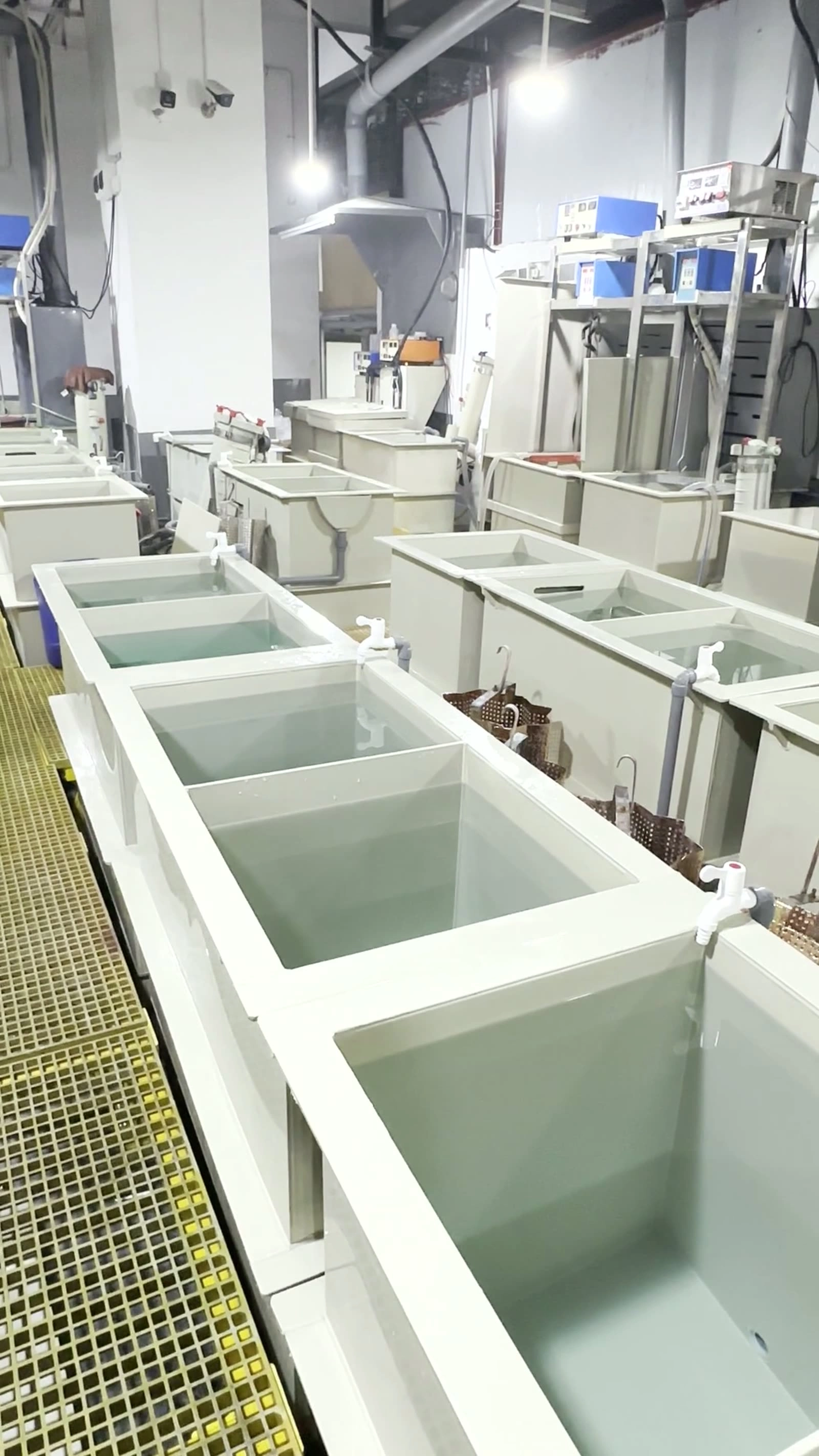
How we handle it on the line
- Dacromet (flake zinc-aluminum coating) reaches 1000+ salt-spray hours; electro zinc typically 200-300h.
- Dacromet is a barrier-type coating: no hydrogen embrittlement and high-temperature tolerance.
- Electro zinc is sacrificial-anode protection: it continues protecting the base metal even after scratches.
- Misuse risk 1: electro zinc on high-strength steel fasteners without hydrogen-relief baking → delayed fracture.
- Misuse risk 2: a hard scratch through a Dacromet film lets corrosion spread quickly from the scratch line — no sacrificial reserve.
- 'Thicker coating is always better' is also a myth: thick deposits cost ductility, money and dimensional fit — three penalties at once.
- QLQ matches the system to the use environment: standard bag hardware is fine on electro-plating tiers; special environments get zinc-nickel or Dacromet with measured data attached.
Honest boundaries
- Salt-spray hours are accelerated-test figures and do not convert to service years.
- Dacromet's barrier protection depends on film integrity; scratched-through film loses the advantage.
- No plating system is 'never rust' — the promise is measured performance data, not indestructibility.
FAQ
Why does Dacromet last 1000+ salt-spray hours while electro zinc rusts at 200-300h?
Different mechanisms: Dacromet is a barrier flake zinc-aluminum coating, while electro zinc protects sacrificially and gives less raw hours but keeps protecting the base after scratches. Choose by environment, not by the bigger number.
Is Dacromet always the better choice for corrosion protection?
No. If parts get scratched or abraded, sacrificial electro zinc can outperform a breached barrier film. And Dacromet's real strengths are no hydrogen embrittlement and heat tolerance.
My electro-zinc plated fastener broke days after installation — why?
High-strength steel plated with zinc and never hydrogen-relief baked is at risk of delayed fracture. Baking after plating is mandatory for high-strength grades.
Is a thicker coating always more corrosion protection for my money?
No — thicker deposits add brittleness, cost and dimensional-fit problems. QLQ matches the system to your use environment and attaches measured salt-spray data rather than selling thickness.