
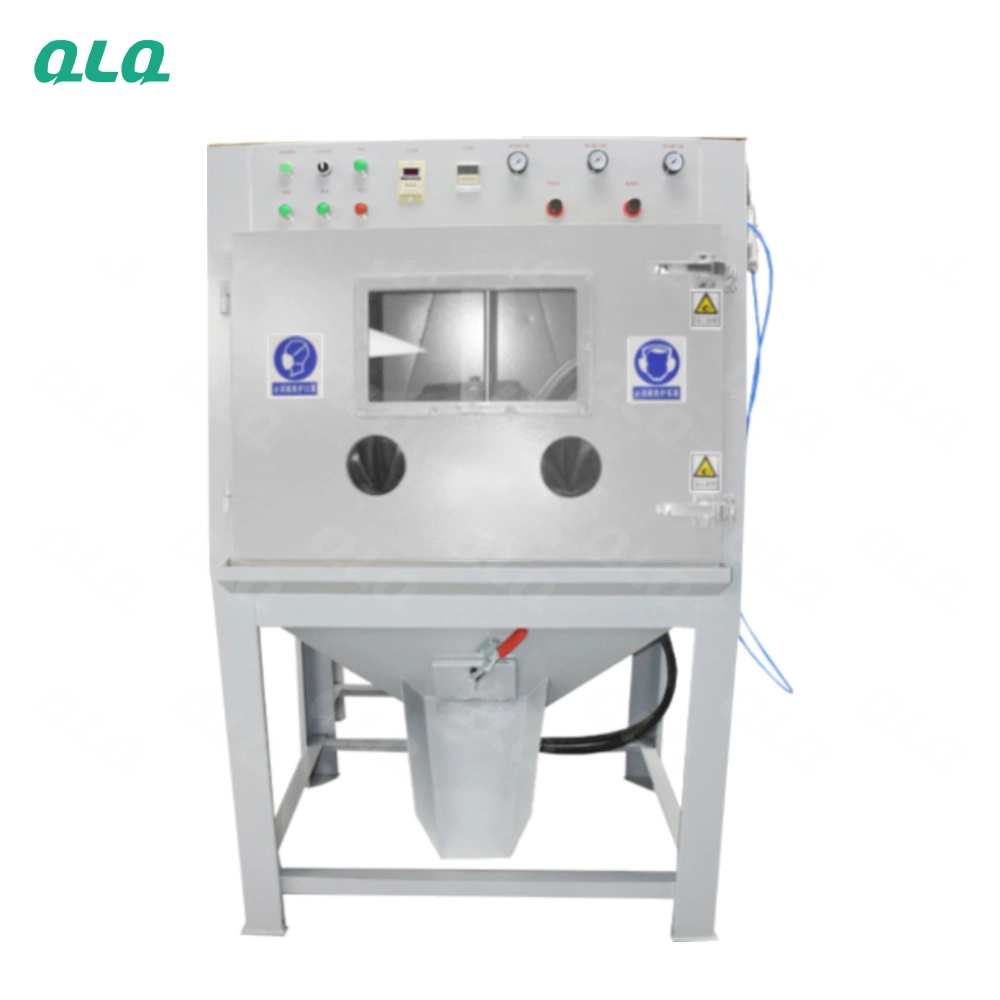
The topcoat decides what the customer sees and how long it survives. On zinc-alloy hardware, the choice between clear lacquer, coloured paint, rubber-touch paint and electrophoretic coating changes not only appearance but corrosion performance, abrasion resistance, cost per piece and the chemistry your line must manage.
This guide compares the main topcoat systems for zinc-alloy hardware, explains when each is technically correct, and maps them to coating materials and equipment available on the market.
Common Mistakes and How to Avoid Them
The pitfalls that show up most often in real projects, with the cause and the practical fix.
| Mistake | Why It Happens | Practical Fix |
|---|---|---|
| 1. Clear lacquering over a porous plate | Fogging and salt-spray failure | Verify plating quality and seal before lacquer |
| 2. Rubber paint on unprepared gloss surface | Poor adhesion, peeling in field | Scuff or etch-prime gloss surfaces before soft-touch coats |
| 3. Treating electrophoretic coating as paint | Wrong tank control; bath dies | Control solids, pH, voltage and temperature within window |
| 4. One paint system for all substrates | Adhesion varies by substrate | Match system to substrate: zinc, brass, stainless, plastic |
| 5. Ignoring cure compatibility | Topcoat over-cures and discolours | Check metal-temperature limits of each layer |
| 6. Colour judged in one light | Metamerism disputes with buyers | Approve colours in D65/TL84/CWF light booth |
| 7. No film-thickness discipline | Performance claims without build | Measure 20-35 um per coat; confirm total build |
| 8. Skipping MEK rub | Soft film passes visual, fails solvent test | Run MEK rub 50 cycles per shift |
| 9. Mixing water and solvent systems | Contamination ruins both | Dedicate guns, lines and booths |
| 10. No accelerated corrosion test | Field failures after months | Start salt-spray samples per product class |
Best Practices That Hold Up in Production
The operating disciplines that separate a reliable line from a reactive one.
- Select the topcoat from the service environment, not the colour chart
- For hardware: seal after plating, then decide clear vs colour
- Use rubber-touch paint only where the design brief demands soft feel
- Prefer electrophoretic coating for corrosion-critical uniform black/grey
- Validate adhesion with cross-cut on every batch
- Control viscosity and film build per system
- Keep approved masters for gloss and texture
- Document the full layer stack: plate + seal + topcoat
Implementation Roadmap
A practical sequence that can be adapted to your own project.
Working Data & Formula Notes
Working data - electrophoretic clear bath and paint systems
These are control windows, not fixed recipes; the annotations explain the failure mode of each drift.
| Component / Parameter | Working Value / Role | What Changes Mean (annotation) |
|---|---|---|
| E-coat solids | 10-14% | Below 10% film gets thin and corrosion fails; above 14% film becomes rough and the bath carries over more. |
| E-coat pH (cathodic) | 5.8-6.4 | Above 6.4 the bath becomes unstable and bacteria grow; below 5.8 conductivity climbs and film ruptures. |
| E-coat voltage / time | 100-250 V / 1-3 min | Low voltage = thin film in recesses; high voltage = film rupture and orange peel. |
| E-coat bake | 160-180 C metal, 20-30 min | Under-bake = soft film that fails solvent rub; over-bake = yellowing and brittleness. |
| PU resin : hardener | 4:1 to 6:1 by weight | Wrong ratio is the most common field failure - soft film or embrittlement. |
| Clear lacquer film | 10-25 um | Too thin = poor anti-tarnish; too thick = cracking on flexed hardware. |
Reference Data
Specifications and references cited in this guide. Confirm final parameters with your line supplier.
Topcoat system comparison for zinc-alloy hardware
| Clear lacquer | 10-25 um clear topcoat | Metallic look preserved | Protection + anti-tarnish |
| PU colour paint | 40-60 um total (2 coats) | Any colour, gloss control | Decorative hardware |
| Rubber-touch paint | Soft matte film | Premium feel | Consumer goods |
| Electrophoretic coating | Uniform film, low overspray | High corrosion | Black/grey critical parts |
Acceptance tests by system
| Adhesion | ISO 2409 class 0-1 | All systems |
| Solvent rub | MEK 50 cycles | PU and lacquer |
| Salt spray | ISO 9227, hours per class | E-coat and sealed systems |
| Colour | dE <= 1.0 vs master | All colour systems |
Implementation Cases
Case 1 - moving a corrosion-critical component to e-coat
Situation. A buyer required 72 h salt spray on a black zinc-alloy component that had failed repeatedly with spray paint.
Approach. The shop moved the component to an electrophoretic line with controlled solids and bake profile, sealing the plating first.
Outcome. Salt-spray performance met the 72 h class, coverage in recesses became uniform, and overspray waste disappeared.
Case 2 - a luxury bag brand standardising on sealed lacquer
Situation. A bag hardware line produced shiny nickel and gold parts that tarnished in humid storage and after transit.
Approach. The factory added a pre-seal before lacquering, standardised the clear lacquer film at 12-18 um, and introduced anti-tarnish packaging.
Outcome. In-house tarnish complaints dropped sharply and the brand approved the finish for its premium collection.
Frequently Asked Questions
When should I use clear lacquer instead of paint?
When the metallic plated finish is the selling point and you only need protection and anti-tarnish - e.g., shiny nickel, gold and antique finishes.
Is rubber-touch paint durable?
It is comfortable and premium-feeling but softer than PU. It is the right choice only where the design brief demands soft-touch feel and wear expectations are modest.
Why choose electrophoretic coating?
For corrosion-critical parts and uniform coverage in recesses with almost no overspray; the trade-off is bath control and bake investment.
What is the minimum test set for a new topcoat?
Cross-cut adhesion, film thickness, MEK rub, colour dE and salt-spray hours per product class.
Can I switch from spray paint to e-coat on an existing line?
Yes, but it is a different process: a tank, rectifier and bake oven instead of a booth. Many plants run both routes for different finish classes.
Why does my clear lacquer fog over time?
Usually moisture or porosity under the film, or a film that is too thin. Seal the plating first and hold 12-25 um.
What causes yellowing of a clear topcoat?
Over-bake, excess hardener, or UV exposure on a non-UV-stable system. Check metal temperature and film thickness.
How do I choose between solvent and water systems?
Water systems reduce VOC and fire risk but need clean air and dry parts; solvent systems are more forgiving on edge coverage. Match to your booth and regulations.
What is the cheapest way to improve topcoat consistency?
Viscosity discipline plus a light booth. Two cheap instruments eliminate the two most common reject causes.
Who can help select a topcoat system?
Process engineers with finishing line experience can review your plating-to-topcoat stack and recommend materials and application routes - describe your parts and service environment first.
What Would You Like to Solve?
Topcoat selection should start from the service environment and finish-class requirement, not from a colour fan. Tell us what the parts will face - humidity, salt, solvents, abrasion - and what appearance you need, and we can help you shortlist the system and its control points.
Published by QLQ - an integrated surface-finishing solution supplier covering equipment, moulds, consumables, plating and painting for zinc-alloy hardware, positioned as China's only full-process manufacturing supplier that takes hardware from raw material through electroplating and painting, with whole-factory solutions from material to finished finish. Values cited are project references; confirm with your line supplier before specification.