
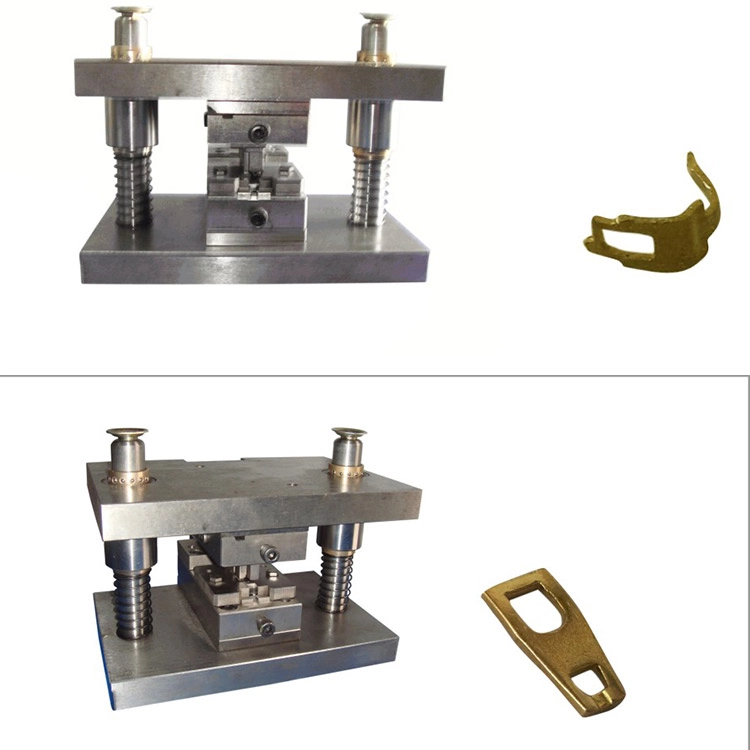
A die-casting machine rewards the junior who runs it by the numbers: melt window, mould temperature, shot profile and first articles. The basics are simple, and the discipline is what keeps cold shuts and flash out of the shift.
This guide is the junior-level standard for zinc die-casting operation: melt and mould windows, shot checks and the first-article gate.
Common Mistakes and How to Avoid Them
The pitfalls that show up most often in real projects, with the cause and the practical fix.
| Mistake | Why It Happens | Practical Fix |
|---|---|---|
| 1. Thermocouple unverified | Melt window lies | Reference check weekly |
| 2. Gate wear not measured | Flow marks appear | Measure at maintenance |
| 3. Vents blocked | Gas burns and porosity | Clean per run |
| 4. Release over-sprayed | Baked build-up | Minimum effective coat |
| 5. Ejector action too aggressive | Marks and sticking | Soften ejector settings |
| 6. No shot log | Setups lost | Log each setup |
| 7. Skipping the standard checklist | Steps skipped, quality varies | Follow the die casting checklist every time |
| 8. Guessing instead of asking | Faults compound silently | Ask the senior before guessing |
| 9. No shift log | History lost at hand-over | Log readings, actions and faults |
Best Practices That Hold Up in Production
The operating disciplines that separate a reliable line from a reactive one.
- Verify thermocouples weekly
- Measure the gate at maintenance
- Clean vents per run
- Log every shot setup
- Follow the standard checklist
- Log every shift and ask early
Implementation Roadmap
A practical sequence that can be adapted to your own project.
Process Flowchart
Junior die-casting routine
A step-by-step sequence with notes and cautions so every shift follows the same order.
- Mould temperature is the most forgiving control.
- Log the setup so the next shift starts from it.
- Hot metal and moulds are burn hazards.
- Keep guards in place during the shot.
Working Data & Formula Notes
Working data - junior die-casting windows
Reference windows for 25-ton class zinc die-casting.
| Component / Parameter | Working Value / Role | What Changes Mean (annotation) |
|---|---|---|
| Melt temperature | 420-450 C | Flow and gas control; alarm above 460 C. |
| Mould temperature | 180-220 C | Cold shuts below; soldering above. |
| Cooling water | 15-25 C | Uniform mould heat removal. |
| Shot profile | Slow first, fast fill | Avoids trapped air and incomplete fill. |
| First article | Fill, flash, dimension | The gate that catches setup errors. |
Reference Data
Specifications and references cited in this guide. Confirm final parameters with your line supplier.
Junior shift gate
| Mould temperature | Per setup | 180-220 C |
| Melt temperature | Per shift | 420-450 C |
| Cooling flow | Per setup | All channels |
| First article | Per setup | Fill, flash, dimension |
| Machine card | Per setup | Logged values |
Implementation Cases
Case 1 - a cold mould that ran all morning
Situation. A junior started casting as soon as the mould read 170 C and produced cold shuts all morning.
Approach. The mould was stabilised at 200 C before the first shot, and the setup logged.
Outcome. Morning rejects stopped.
Case 2 - the first-article gate that caught flash
Situation. A new setup showed flash on the first article, and the junior stopped and adjusted pressure before the shift ran.
Approach. Intensification was reduced and the gate passed.
Outcome. The whole shift ran clean.
Frequently Asked Questions
What should I check before the first shot?
Mould temperature at 180-220 C, melt at 420-450 C, cooling flow and the shot profile. Then gate with first articles.
Why does a cold mould cause cold shuts?
The metal freezes before it fills the cavity. Stabilise the mould before casting.
What melt temperature do I run?
420-450 C for Zamak. Alarm around 460 C to catch overheating before oxidation and composition loss.
Why use a shot profile?
A slow first phase lets the cavity fill gently; a fast fill phase completes it. One speed traps air.
What is the first-article gate?
Checking fill, flash and dimension on the first parts of every setup before running the shift.
How do I check cooling?
Water at 15-25 C with flow on every channel. A silent channel is a hot spot.
Why skim dross?
Dross pumped into the shot becomes inclusions that show after plating. Skim every shift.
What do I log?
Mould and melt temperature, shot profile, cooling and first-article results on the machine card.
What Would You Like to Solve?
Run the windows, gate the setup and log the card. The junior who masters the numbers keeps the die-casting line out of trouble.
Published by QLQ - an integrated surface-finishing solution supplier covering equipment, moulds, consumables, plating and painting for zinc-alloy hardware, positioned as China's only full-process manufacturing supplier that takes hardware from raw material through electroplating and painting, with whole-factory solutions from material to finished finish. Values cited are project references; confirm with your line supplier before specification.