
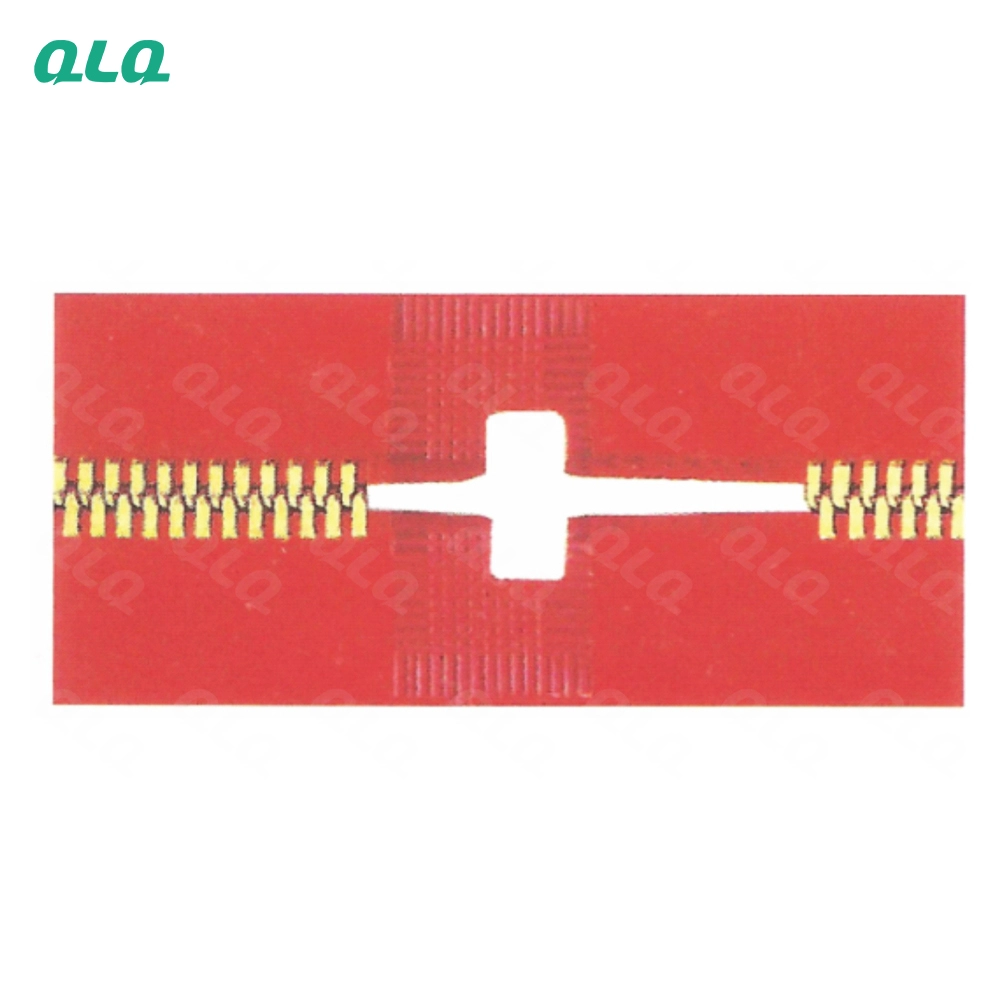
At five years, a die-casting technician owns the tuning problems: why porosity appears in thick sections, why flash creeps back, and how the shot interacts with the mould. These are the three areas an intermediate closes alone.
This guide covers porosity, flash and shot tuning - the problem areas that separate a runner from a fixer on a zinc die-casting line.
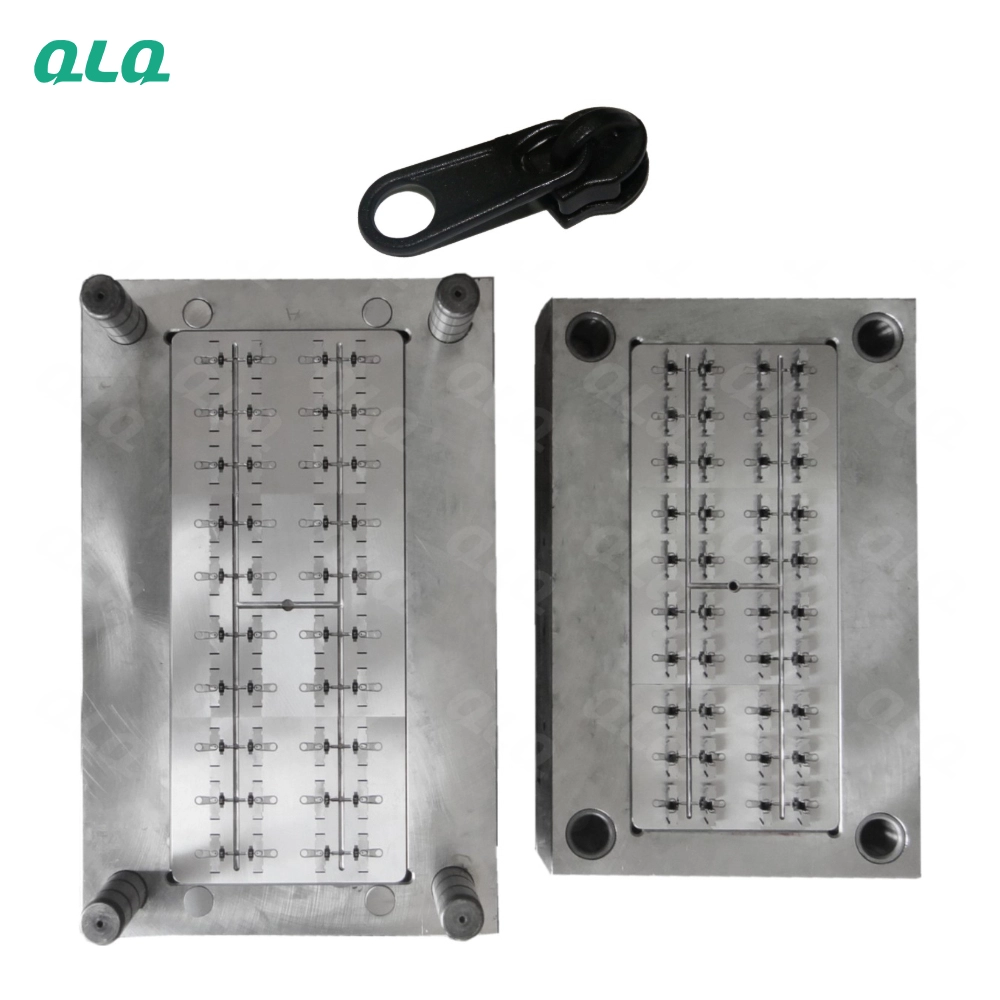
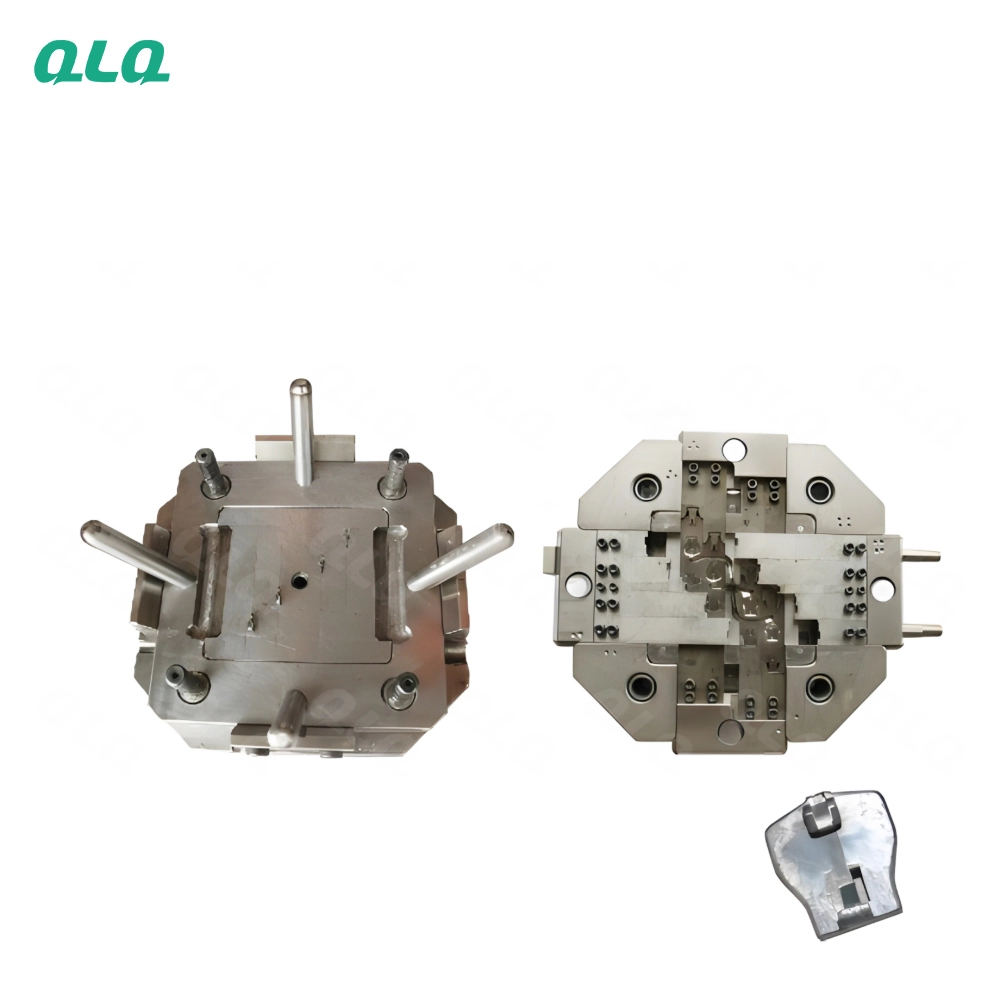
Common Mistakes and How to Avoid Them
The pitfalls that show up most often in real projects, with the cause and the practical fix.
| Mistake | Why It Happens | Practical Fix |
|---|---|---|
| 1. Thermocouple unverified | Melt window lies | Reference check weekly |
| 2. Gate wear not measured | Flow marks appear | Measure at maintenance |
| 3. Vents blocked | Gas burns and porosity | Clean per run |
| 4. Release over-sprayed | Baked build-up | Minimum effective coat |
| 5. Ejector action too aggressive | Marks and sticking | Soften ejector settings |
| 6. No shot log | Setups lost | Log each setup |
| 7. Fixing by feel | The cause stays hidden | Measure and verify before changing |
| 8. Changing two variables | Cause unclear | Change one, prove one |
| 9. No before-and-after records | Cannot judge the fix | Keep reference data |
Best Practices That Hold Up in Production
The operating disciplines that separate a reliable line from a reactive one.
- Verify thermocouples weekly
- Measure the gate at maintenance
- Clean vents per run
- Log every shot setup
- Measure before changing
- Keep before-and-after records
Implementation Roadmap
A practical sequence that can be adapted to your own project.
Process Flowchart
Intermediate tuning flow
A step-by-step sequence with notes and cautions so every shift follows the same order.
- Gas porosity likes the first phase; shrinkage likes packing.
- Vent depth and gate wear change the fill pattern.
- Sections need proper lab tools.
- Hot machine work needs full PPE.
Working Data & Formula Notes
Working data - intermediate tuning windows
Reference checks for porosity and flash on zinc die-castings.
| Component / Parameter | Working Value / Role | What Changes Mean (annotation) |
|---|---|---|
| First phase | Slow, gentle fill | Fast start traps air and causes gas porosity. |
| Intensification | Only as needed to pack | Excess pressure creates flash and mould stress. |
| Vent depth | Per design | Blocked vents burn and porosity. |
| Gate thickness | 0.8-1.2 mm | Worn gates change fill velocity and flow marks. |
| Section check | Thick sections | Proves the porosity type. |
Reference Data
Specifications and references cited in this guide. Confirm final parameters with your line supplier.
Defect to tuning step
| Gas porosity | First phase too fast | Slow the first phase |
| Shrinkage | Packing too low | Raise intensification |
| Flash | Pressure or mould wear | Reduce pressure, check mould |
| Burn marks | Vents blocked | Clean and deepen vents |
| Flow marks | Gate wear | Measure and refurbish gate |
Implementation Cases
Case 1 - gas porosity that loved the fast start
Situation. Thick slider sections showed gas porosity that pressure changes never fixed.
Approach. The intermediate slowed the first phase and sectioned the part to confirm.
Outcome. Porosity dropped, and the shot profile was logged.
Case 2 - flash that came back after pressure tuning
Situation. Flash returned a week after the pressure was reduced.
Approach. The parting line showed wear; the mould was serviced and vents checked.
Outcome. Flash stayed gone, and mould care joined the tuning routine.
Frequently Asked Questions
How do I classify porosity?
Section the thick section. Round, shiny voids are gas; jagged, dark voids are shrinkage. Each needs a different fix.
Why does pressure not fix gas porosity?
Gas porosity comes from the fill, not packing. Slow the first phase.
What fixes flash?
Reduce intensification and check the mould parting line for wear. Flash is pressure plus mould condition.
Why change one phase at a time?
Each phase has a distinct job. Changing two hides which one caused the result.
How do I know vents are working?
Blocked vents show as burn marks and gas porosity. Clean and check depth per design.
Why measure the gate?
Gate wear changes fill velocity and produces flow marks. Measure at maintenance.
What should I log?
Each shot phase change, the section result and the final setup. Tuning without a log is guessing.
What does an intermediate own?
Porosity, flash and shot tuning - three problem areas, owned end to end.
What Would You Like to Solve?
Classify the defect, check the mould, tune one phase and prove it with a section. Own these three and the line runs on your numbers.
Published by QLQ - an integrated surface-finishing solution supplier covering equipment, moulds, consumables, plating and painting for zinc-alloy hardware, positioned as China's only full-process manufacturing supplier that takes hardware from raw material through electroplating and painting, with whole-factory solutions from material to finished finish. Values cited are project references; confirm with your line supplier before specification.