
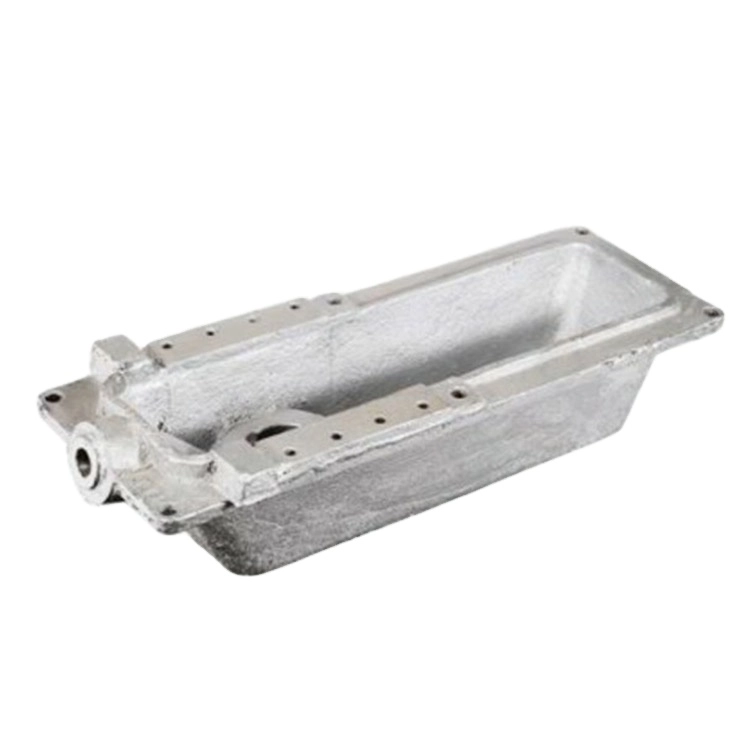
Some of the most expensive plating and painting failures are cast in before the part ever reaches the surface line. Porosity, cold shuts and flash travel with the part through polishing, plating and painting, and each process hides them a little more until they fail in the customer's hands.
This guide helps finishing teams and die-casters speak the same language: what a casting defect looks like at incoming inspection, which ones finishing can manage, and which ones have to go back to the casting machine. QLQ supplies the die-casting machines, moulds, polishing, plating and painting lines together — and as China's only full-process manufacturing supplier from raw material through electroplating and painting, we see these hand-off failures as one chain.
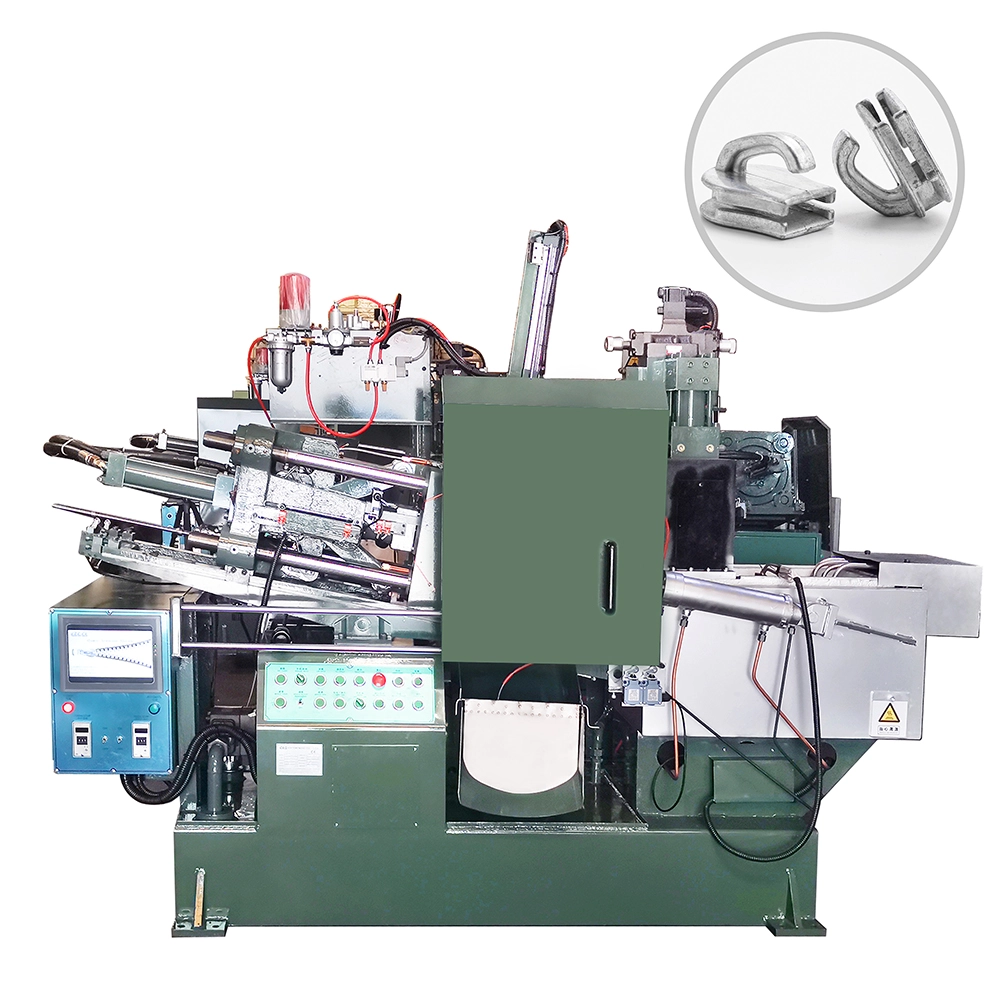
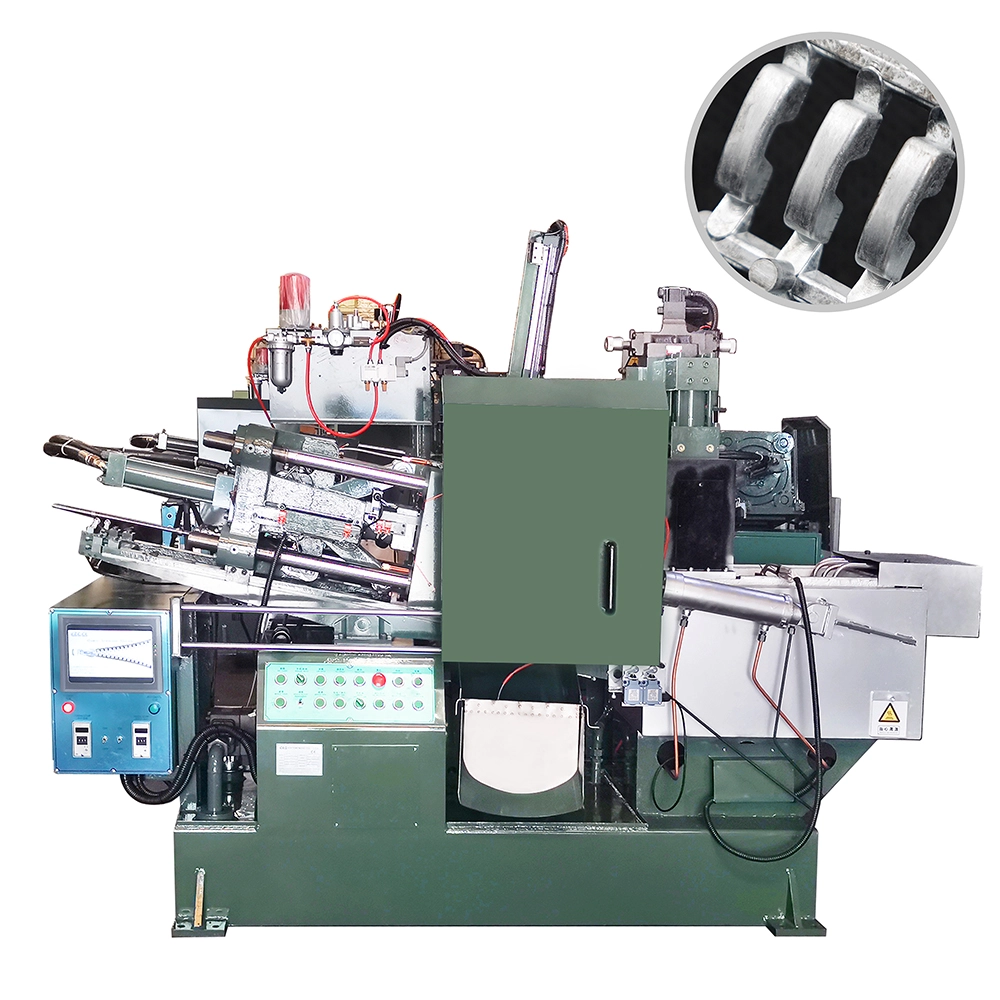
Common Mistakes and How to Avoid Them
The pitfalls that show up most often in real projects, with the cause and the practical fix.
| Mistake | Why It Happens | Practical Fix |
|---|---|---|
| 1. Blaming plating for casting porosity | Pores open under the deposit and blister after bake | Test castings before plating: 120 C bake and visual check |
| 2. Acid soak too long on porous parts | Acid enters pores and reacts later, lifting the deposit | Use 1-3% H2SO4 for 15-30 s, not minutes |
| 3. Skipping bake-out before plating | Moisture and gases in pores blow the deposit later | Dry 80-100 C for 30 min after pre-treatment on porous parts |
| 4. Polishing flash into the surface | Flash and cold shuts are burnished over, then reappear | Inspect and reject at incoming, before polishing |
| 5. Cold shuts accepted as cosmetic | They open up under paint and show as line defects | Reject or return parts with visible cold shuts |
| 6. No incoming inspection gate | The finishing line becomes the quality department | Add visual inspection for gas holes, cold shuts and flash |
| 7. Thin walls from over-polish | Soft zinc loses wall thickness and flexes or warps | Verify wall thickness on samples after polishing |
| 8. Gate marks visible after plating | Gate stubs are plated over and look like lumps | Deflash and polish gate areas before plating |
| 9. Vacuum impregnation skipped | Porosity keeps blistering on the same family of parts | Impregnate with epoxy for die-cast parts with chronic porosity |
| 10. No feedback to the casting shop | The same defect repeats every batch | Send the defect data back: shot parameters, mould vents, temperature |
Best Practices That Hold Up in Production
The operating disciplines that separate a reliable line from a reactive one.
- Inspect castings at incoming: gas holes, cold shuts, flash, gate stubs
- Keep the acid activation short and weak for zinc (1-3% H2SO4, 15-30 s)
- Bake-out porous parts before plating (80-100 C, 30 min)
- Run a 120 C, 1 h blister sample per batch
- Deflash and polish gate areas before finishing
- Vacuum-impregnate chronic porous families
- Reject cold shuts before polishing hides them
- Feed defect data back to the casting machine and mould
Implementation Roadmap
A practical sequence that can be adapted to your own project.
Process Flowchart
Die-cast to finishing flow
A step-by-step sequence with notes and cautions so every shift follows the same order.
- The finishing line cannot repair porosity, cold shuts or missing wall — it can only reveal them.
- Bake-test samples cost minutes and save whole-batch disputes.
- Mould temperature of 180-220 C and proper vents reduce gas defects at the source.
- Acid activation on zinc must be short and monitored — over-acid is a top blister cause.
- Impregnation resins and bake tests have their own safety and MSDS requirements.
- Never send structural rejects to finishing hoping they will plate out.
Working Data & Formula Notes
Working data — die-cast to finish interface
Reference values from QLQ die-casting and finishing practice for zinc-alloy sliders and hardware.
| Component / Parameter | Working Value / Role | What Changes Mean (annotation) |
|---|---|---|
| Zinc alloy | Zamak 3 / Zamak 5 | The standard base for sliders and hardware. Off-spec alloy or an over-heated melt changes flow and porosity behaviour. |
| Melt temperature | 420-450 C | Overheating oxidises the melt and increases gas content; under-heating causes cold shuts and incomplete fill. |
| Mould temperature | 180-220 C | Cold moulds cause cold shuts and surface defects that appear through paint and plating. |
| Acid activation | 1-3% H2SO4, 15-30 s | Short and weak by design for zinc. Longer soak drives acid into pores and creates delayed blisters. |
| Hot ultrasonic clean | 60-80 C, 5-10 min | Removes oils, wax and pore contaminants. Skipping it leaves residue that fails adhesion. |
| Copper base | 3-5 um under nickel | Seals and protects the zinc interface. Thin copper leaves pores exposed; over-current disrupts the deposit. |
| Bake-out and test | 80-100 C 30 min; 120 C 1 h sample | Bake-out releases pore gases before plating; the 120 C test exposes porosity that would blister in the field. |
Reference Data
Specifications and references cited in this guide. Confirm final parameters with your line supplier.
Incoming defect to action
| Surface porosity (small, few) | Polish carefully, impregnate, short activation, bake-out | Manageable with controls |
| Deep or clustered porosity | Reject or vacuum-impregnate before finishing | Structural |
| Cold shuts | Reject or return to casting | Appears through paint and plating |
| Flash or burrs | Deflash and deburr | Manageable |
| Gate stubs | Remove before polishing | Manageable |
| Thin walls or warped parts | Reject | Cannot be repaired in finishing |
Finishing controls for die-cast parts
| Incoming inspection | Every batch | Gas holes, cold shuts, flash |
| Acid activation | 1-3% H2SO4, 15-30 s | Short and monitored |
| Hot ultrasonic | 60-80 C, 5-10 min | Before activation |
| Bake-out | 80-100 C, 30 min | Porous parts before plating |
| Copper base | 3-5 um | Before nickel |
| Blister test | 120 C, 1 h | Sample per batch |
Implementation Cases
Case 1 — blisters that came back every batch on die-cast sliders
Situation. A slider line saw periodic blisters after nickel, always traced to the same casting family, and the plating chemistry tested clean every time.
Approach. Bake-testing samples at 120 C revealed porosity in the castings. The plant shortened acid activation to 15-30 s, added hot ultrasonic cleaning and a 30 min bake-out before plating, and started vacuum-impregnating the worst family.
Outcome. Blisters stopped, and the casting shop changed mould temperature and vents after seeing the bake-test data.
Case 2 — cold shuts that appeared through the paint
Situation. A painted-buckle line rejected batches where thin lines appeared through the topcoat after cure, always on the same face.
Approach. Incoming inspection found cold shuts on the face, produced by a cold mould and low shot temperature. The finishing line added an incoming gate, and the casting team raised mould temperature into the 180-220 C window and adjusted the shot.
Outcome. The lines through paint disappeared, and the two teams now share the incoming defect log instead of arguing about paint quality.
Frequently Asked Questions
Why do plated parts blister on die-cast zinc?
Porosity in the casting traps acid, moisture and gas. They react later and lift the deposit. The 120 C bake test shows the porosity before plating, not after.
How long should I acid-activate zinc?
Keep it short and weak: 1-3% H2SO4 for 15-30 seconds. Zinc is soft and porous; a longer acid soak drives acid into the pores and causes delayed blisters.
Can plating hide casting defects?
No. Plating copies the surface, and porosity will blister or show through. Painting can hide a defect until cure, then it reappears. Defects must be caught at incoming.
What are cold shuts and why do they show through paint?
Cold shuts are lines where two flows of metal did not fuse because the metal or mould was too cold. They are surface and sub-surface defects that open up during paint cure.
Should I polish flash before or after inspection?
Inspect first, then deflash and polish. Polishing flash into the surface hides the defect until plating or painting reveals it.
How do I stop porosity blisters without re-casting?
Vacuum impregnation with epoxy fills the pores, then short acid activation, hot ultrasonic cleaning and bake-out before plating. It is a finishing-side control, not a substitute for good casting.
What is the bake-out step?
Heating clean parts to 80-100 C for about 30 minutes before plating to release trapped gases and moisture from pores. It is a standard protection step for porous die-cast parts.
How do I test whether a batch will blister?
Take a sample through the normal pre-treatment and dry, then bake at 120 C for 1 hour and inspect for blisters. It is the fastest field-style test for porosity.
Why does the same defect repeat every batch?
Because the casting parameters are unchanged. Feed the defect data back: melt temperature, mould temperature, shot pressure and vent design. Mould temperature of 180-220 C is the first thing to check.
Can QLQ help connect casting and finishing?
QLQ supplies the die-casting machines, moulds and the finishing line behind them, so the hand-off standard can be defined once: incoming inspection, bake test and feedback loop included in the line scope.
What Would You Like to Solve?
If the same blister or surface defect keeps returning, run the 120 C bake test and check the incoming casting standard before touching the bath or the paint. Share the defect photos, the casting parameters and the bake-test result, and we can help you decide whether the fix belongs in finishing, impregnation or the casting machine.
Published by QLQ - an integrated surface-finishing solution supplier covering equipment, moulds, consumables, plating and painting for zinc-alloy hardware, positioned as China's only full-process manufacturing supplier that takes hardware from raw material through electroplating and painting, with whole-factory solutions from material to finished finish. Values cited are project references; confirm with your line supplier before specification.