
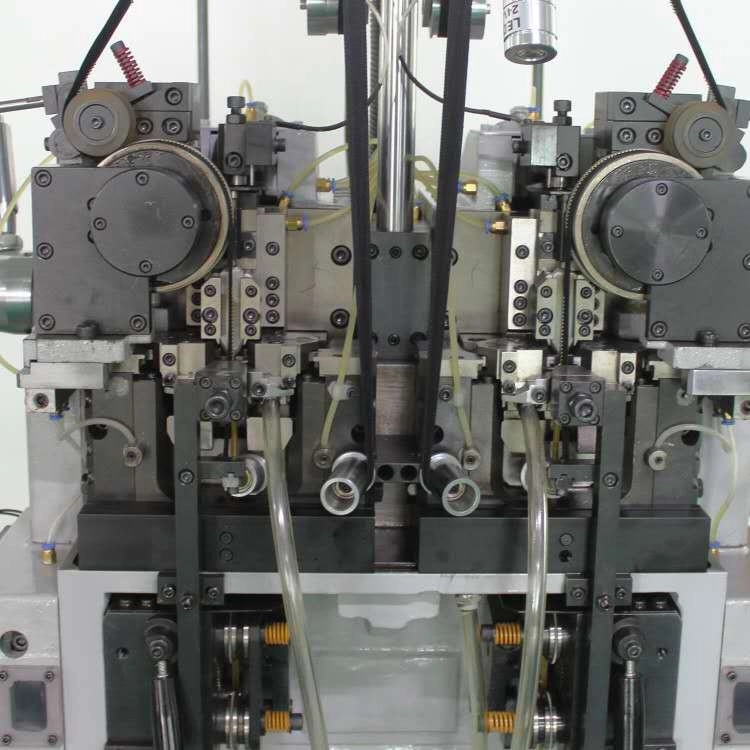
At five years, an equipment technician owns three areas: pump faults, heater and temperature faults, and rectifier faults. These are the problems an intermediate fixes alone.
This guide covers pump, heater and rectifier fault areas.
Common Mistakes and How to Avoid Them
The pitfalls that show up most often in real projects, with the cause and the practical fix.
| Mistake | Why It Happens | Practical Fix |
|---|---|---|
| 1. Lubrication skipped | Wear accelerates | Follow the schedule |
| 2. Spare parts missing | Stops stretch | Plan by risk |
| 3. Sensor drift ignored | Bath out of window | Calibrate monthly |
| 4. Electrical checks by untrained staff | Risk | Trained staff only |
| 5. No stop data | Nothing to manage | Track stops |
| 6. Maintenance deferred | Costs more | Follow the plan |
| 7. Fixing by feel | The cause stays hidden | Measure and verify before changing |
| 8. Changing two variables | Cause unclear | Change one, prove one |
| 9. No before-and-after records | Cannot judge the fix | Keep reference data |
Best Practices That Hold Up in Production
The operating disciplines that separate a reliable line from a reactive one.
- Follow the lubrication schedule
- Plan spares by risk
- Track stop data
- Calibrate instruments monthly
- Measure before changing
- Keep before-and-after records
Implementation Roadmap
A practical sequence that can be adapted to your own project.
Process Flowchart
Intermediate equipment flow
A step-by-step sequence with notes and cautions so every shift follows the same order.
- Calibration is the cheap fix.
- The log is the diagnosis tool.
- Electrical work needs lockout.
- Pumps and heaters need correct PPE.
Working Data & Formula Notes
Working data - intermediate equipment
Reference checks for finishing line equipment.
| Component / Parameter | Working Value / Role | What Changes Mean (annotation) |
|---|---|---|
| Rectifier calibration | Monthly | Ammeter honesty. |
| Sensor calibration | Monthly | Bath window honesty. |
| Heater amperage | On suspicion | Element and contactor health. |
| Pump suction | Per fault | Cavitation source. |
| Ripple | Per spec | Deposit quality. |
Reference Data
Specifications and references cited in this guide. Confirm final parameters with your line supplier.
Fault to check
| Pump noise | Cavitation | Suction and level |
| Slow heating | Element or contactor | Amperage test |
| Bath drift | Sensor | Calibrate |
| Thickness drift | Rectifier | Calibrate |
| Dull deposits | Ripple | Check output |
Implementation Cases
Case 1 - a rectifier that lied
Situation. Thickness drifted with perfect chemistry.
Approach. Calibration found the ammeter high.
Outcome. Thickness returned.
Case 2 - cavitation that killed a pump
Situation. A noisy pump was ignored.
Approach. Suction was fixed early.
Outcome. The pump survived.
Frequently Asked Questions
How do I diagnose a pump?
Check suction, level and seals. Cavitation is the first suspect.
Why calibrate monthly?
Sensors and rectifiers drift silently.
How do I test a heater?
Amperage tells element and contactor health.
What is ripple?
AC on the DC output. It dulls deposits.
Should I change two variables?
No. One change, one test.
Why keep the log?
It points to the suspect and prevents repeats.
What does an intermediate own?
Pumps, heaters and rectifiers - three areas.
When do I escalate?
When the fix is beyond the area - flag it.
What Would You Like to Solve?
Test before replacing, calibrate on schedule and log every fix. Own these three and the line keeps running.
Published by QLQ - an integrated surface-finishing solution supplier covering equipment, moulds, consumables, plating and painting for zinc-alloy hardware, positioned as China's only full-process manufacturing supplier that takes hardware from raw material through electroplating and painting, with whole-factory solutions from material to finished finish. Values cited are project references; confirm with your line supplier before specification.