

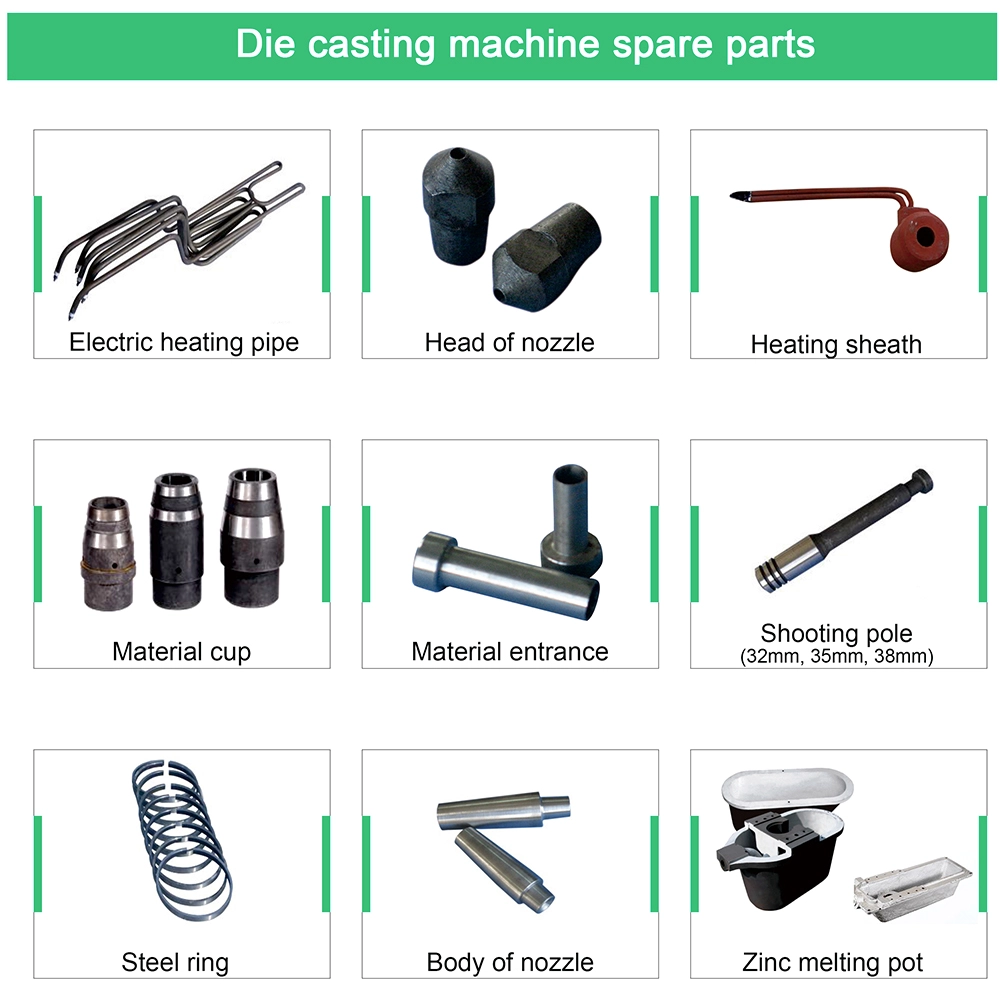
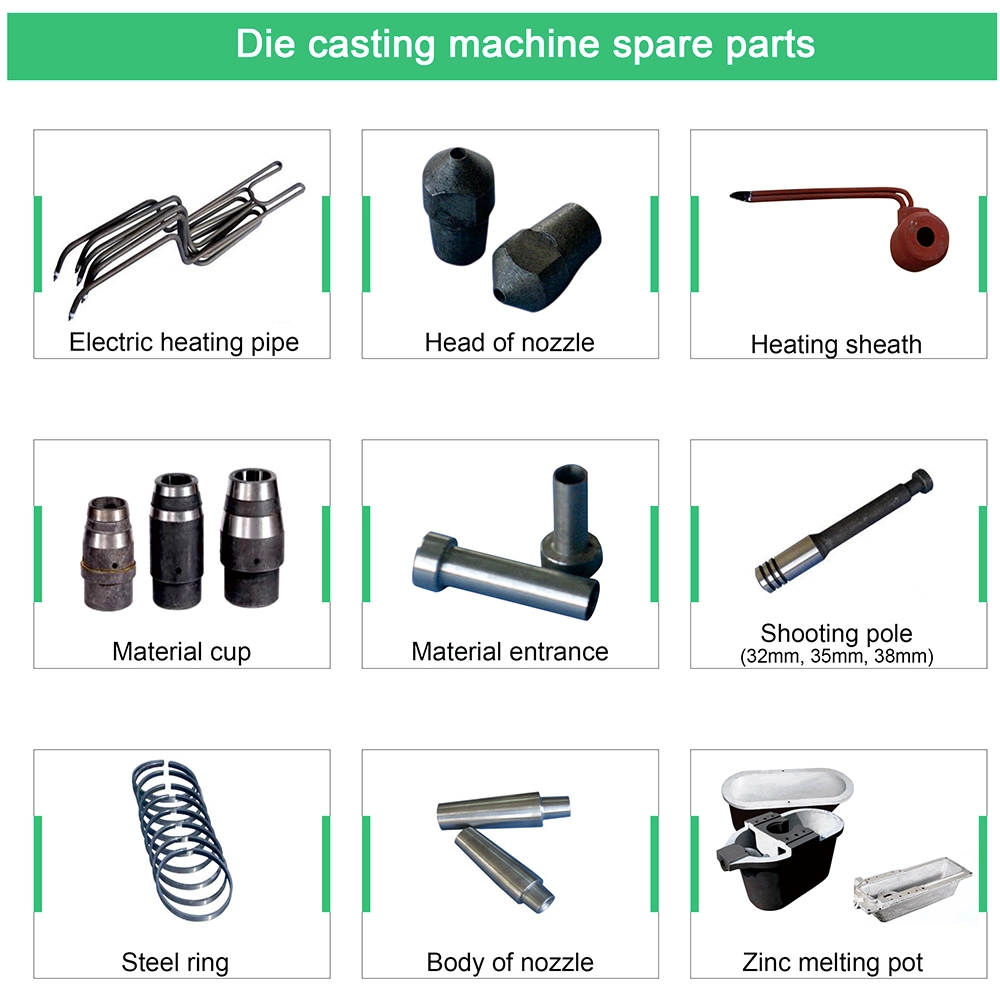
A Monday line started cold and scrapped 18 percent of its first hour while the afternoon ran at 3 percent. The difference was a shot sleeve that never reached temperature and first shots taken at full speed.
This junior case guide covers shot sleeve preheat, die temperature targets and the first-shot gate that cut Monday scrap on zinc alloy hardware.
Common Mistakes and How to Avoid Them
| Mistake | Why It Happens | Practical Fix |
|---|---|---|
| 1. Sleeve never preheated | Metal freezes into cold slugs | Preheat sleeve to 150-190 C |
| 2. Full-speed first shots | Cold shuts and short shots | Run warm-up shots at 50-70% speed |
| 3. Die below 180 C | Surface finish defects | Heat die to 180-220 C first |
| 4. Melt at low end | Poor fill and porosity | Hold melt at 380-430 C, check with pyrometer |
| 5. Warm-up shots not gated | Bad parts enter production | Gate the first 5 shots |
| 6. Preheat logged by guess | Same scrap next Monday | Measure sleeve with a contact thermometer |
| 7. Lube on a cold die | Blisters and sticking | Lube only after the die reaches window |
| 8. Wet returns re-melted | Steam and porosity | Dry returns before charging |
| 9. First-hour scrap accepted | Pattern never fixed | Log scrap by hour, review Monday |
Best Practices
- Preheat the shot sleeve to 150-190 C before the first shot
- Confirm die surface reaches 180-220 C across the cavity
- Run 15-25 warm-up shots at 50-70% shot speed
- Gate the first 5 production shots at every start
- Measure melt temperature with a calibrated pyrometer
- Log start-up data so Monday scrap becomes a trend
Implementation Roadmap
| Step | Frequency |
|---|---|
| Preheat sleeve | Every start, 20-30 min before the first shot |
| Warm-up shots | 15-25 shots per start-up |
| Gate first shots | First 5 shots per set-up |
| Log start data | Per shift, sleeve and die temperature |
| Review Monday scrap | Weekly, by hour and defect |
Monday start-up flow
- Preheat - Sleeve to 150-190 C, die to 180-220 C. (A cold sleeve makes cold slugs.)
- Warm up - 15-25 shots at 50-70% speed. (Full speed freezes the first shots.)
- Gate - Check the first 5 shots. (Ungated warm-up waste becomes scrap.)
- Log - Sleeve, die and melt temperatures. (No log means the same scrap repeats.)
Sleeve temperature decides the first shot, not the melt alone. | A calibrated pyrometer beats a hand test every time.
Start-up temperature data
Reference values for zinc alloy die casting start-up.
| Parameter | Reference | Why It Matters |
|---|---|---|
| Shot sleeve preheat | 150-190 C | Prevents cold slugs at the first shot |
| Die surface | 180-220 C | Below window gives cold shuts and poor finish |
| Melt holding | 380-430 C (Zamak 3/5) | Low melt fills poorly and traps gas |
| Warm-up shots | 15-25 at 50-70% speed | Stabilizes the die before production |
| First-shot gate | First 5 shots | Catches cold shuts before the bin |
| Preheat soak | 20-30 minutes | Soak beats a fast surface flash |
| Check tool | Contact thermometer or pyrometer | Hand guesses hide a 40 C miss |
Monday start-up check card
| Check | Target | Action if off |
|---|---|---|
| Shot sleeve | 150-190 C | Continue preheat, no shots yet |
| Die surface | 180-220 C | Run more warm-up shots |
| Melt temperature | 380-430 C | Adjust furnace, stir melt |
| Warm-up shots | 15-25 at 50-70% | Complete before gating |
| First 5 shots | No cold shuts | Stop and re-check preheat |
Case 1 - Monday first-hour scrap cut from 18% to 3%
Scenario. A zinc alloy bag slider line scrapped 18 percent of parts in the first hour every Monday while the afternoon ran at 3 percent. Cold shuts and short shots dominated, and operators blamed the melt.
Action.
Result.
Case 2 - cold slugs jammed a small machine nozzle
Scenario. A plant running zipper pullers on a small 40-ton machine found the nozzle jammed with a cold slug twice in one month, each costing a three-hour strip-down.
Action.
Result.
Frequently Asked Questions
Why does Monday scrap more than Tuesday?
The machine, sleeve and die cool over the weekend; a cold sleeve freezes the first metal into slugs.
How hot must the shot sleeve be?
Preheat to 150-190 C; below that, the first shot solidifies before it fills the cavity.
What is a cold slug?
Metal that freezes in the sleeve or nozzle because the sleeve is colder than the melt.
Why run warm-up shots?
They heat the die surfaces and prove the shot profile before production parts run.
How many warm-up shots?
15-25 at 50-70 percent shot speed, checked visually before the gate opens.
What die temperature do I need?
180-220 C across the cavity for zinc; below window, finish and fill suffer.
Can I skip preheat on a small machine?
No - small sleeves cool faster; the 40-ton case jammed its nozzle twice.
How do I measure the sleeve?
A contact thermometer or pyrometer on the sleeve surface, logged at every start.
What if the first 5 shots look good?
Open the gate, but keep logging; Monday scrap trends show whether the fix holds.
What Would You Like to Solve?
Tell us your machine size, die layout and Monday scrap pattern, and we can work through the sleeve preheat and start-up card that fits your line.