

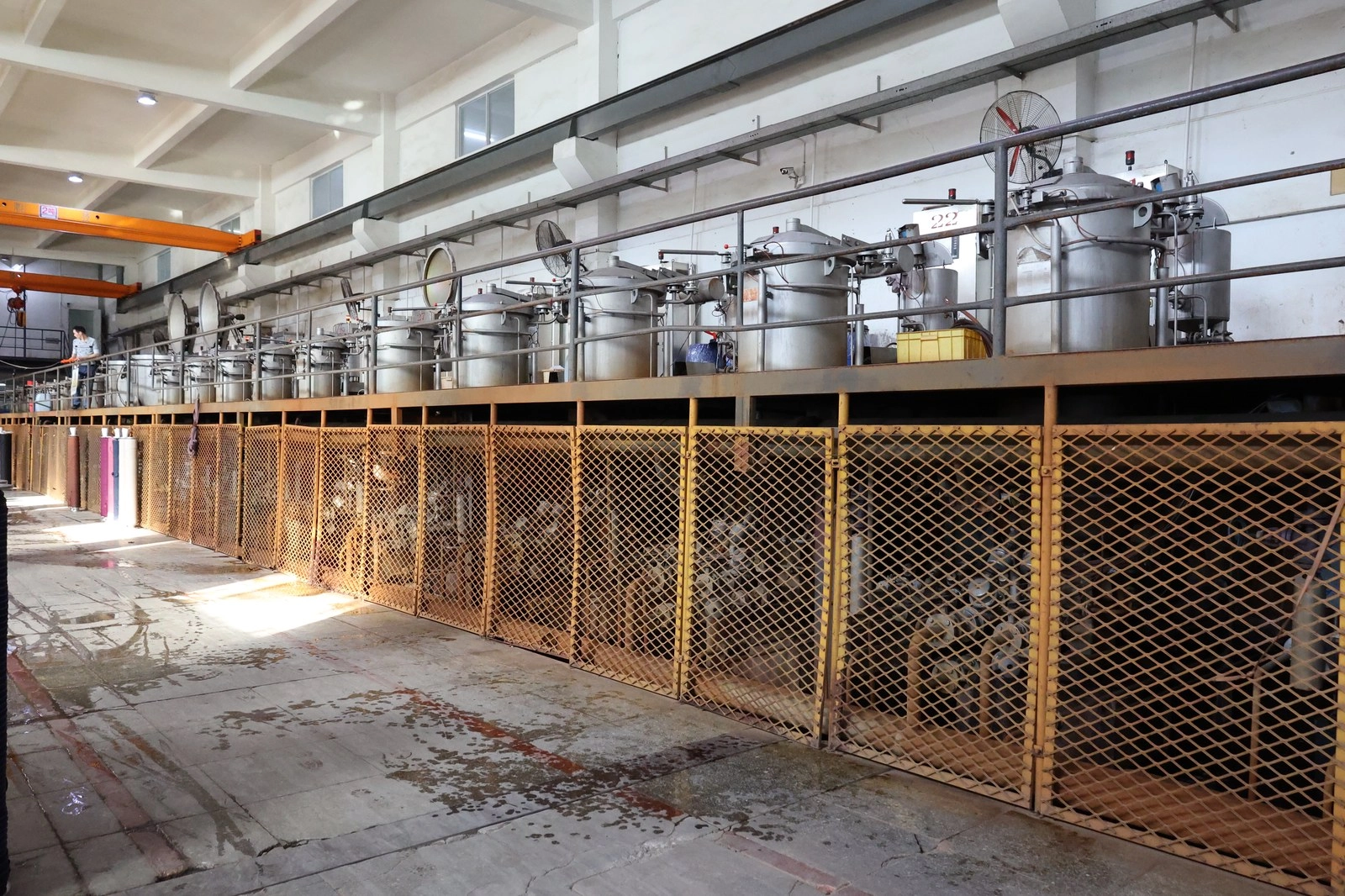
Slider bodies came out of the barrel with recesses that stayed dull and thin, measuring 2.1 microns inside against an 8 micron target. Twelve percent of the batch failed section checks until the media mix and load size were corrected in four days.
The investigation showed a barrel running at 120 percent of rating with no media, so parts locked together and screened the recesses. This case study explains the load factor, media share and current calculation that restored coverage without changing the bath.


Common Mistakes and How to Avoid Them
| Mistake | Why It Happens | Practical Fix |
|---|---|---|
| 1. Barrel at 120% of rating | Parts lock and screen recesses | Return load factor to 90% |
| 2. No media in the load | Parts stay together and shadow | Add ball media at 10-20% of volume |
| 3. Recesses never sectioned | Thin deposit hidden by surface look | Section sample parts per batch |
| 4. Current fixed per load | Same current, different area | Calculate current density per load area |
| 5. Media size wrong | Jams perforation or fails to separate | Match media to part and barrel |
| 6. Barrel speed too slow | Rotation does not mix the load | Raise speed to 8-12 rpm |
| 7. Coverage blamed on bath | Load cause missed for days | Check load and media first |
| 8. No load-area record | Coverage trends invisible | Log area estimate per load |
| 9. Media incompatible with bath | Contamination and rough deposit | Confirm media chemical resistance |
Best Practices
- Keep the load factor inside the barrel window, near 90 percent
- Add media at 10-20 percent of load volume to separate parts
- Section recess samples from every batch to verify coverage
- Recalculate current density whenever load area changes
- Log load area, media share and section result per batch
- Tune one variable per trial and measure the section result
Implementation Roadmap
| Step | Frequency |
|---|---|
| Check load factor and media | Per batch |
| Calculate current per load area | Per batch |
| Section recess samples | Per batch |
| Adjust one variable | Per trial run |
| Review coverage trend | Weekly |
Coverage recovery flow
- Measure - Section recesses; record thickness. (Surface look hides a thin recess deposit.)
- Correct load - 90% factor plus 15% media. (Overload locks parts and shadows.)
- Recalculate - Current density per load area. (Fixed current misses area changes.)
- Verify - Section again and log the result. (Unlogged trials repeat faults.)
Media separates parts so every surface sees current and solution. | Recess coverage is proven by section measurement, never by eye.
Coverage tuning data
Reference values for barrel coverage improvement on zinc alloy hardware.
| Parameter | Reference | Why It Matters |
|---|---|---|
| Load factor | 70-90% of barrel rating | Overload locks parts and shadows |
| Media share | 10-20% of load volume | Separates parts and opens recesses |
| Current density | 0.5-2 A/dm² for zinc | Fixed current misses area changes |
| Barrel speed | 8-12 rpm for small parts | Rotation drives mixing |
| Recess check | Section sample per batch | Look hides thin deposit |
| A·h per load | Track per batch for thickness | Links current to deposit |
| Trial rule | One variable per run | Multi-change results are unprovable |
Media selection guide
| Part type | Media | Purpose |
|---|---|---|
| Small sliders | Small balls | Separation and mixing |
| Cups and recesses | Shaped media | Open the recess |
| Heavy frames | Larger balls | Separation without jamming |
| Fine threads | Small shaped media | Protect thread crests |
Coverage fault map
| Symptom | Cause | First fix |
|---|---|---|
| Dull recesses | Parts locked together | Add media, cut load |
| Patchy surface | Load factor too high | Weigh to 90% |
| Thin inside cup | Recess screened | Shaped media, slower speed |
| Rough deposit | Media contamination | Check media resistance |
Case 1 - dull recesses fixed by load factor and media in four days
Scenario. A line plating zinc alloy slider bodies rejected 12 percent of batches because cup recesses measured 2.1 microns against an 8 micron target, while the visible surface looked normal.
Action. Section samples started on day one; the load factor was cut from 120 to 90 percent, ball media added at 15 percent of volume, and current density recalculated to 0.8 A/dm² per load area.
Result.
Case 2 - die-cast lock housings jammed in a smaller barrel
Scenario. A plant in Turkey switched aluminum die-cast lock housings to a smaller barrel and recesses turned dull; the new perforation was too small for the media, which jammed and blocked solution flow.
Action. Media size was matched to the perforation, shaped media replaced balls in the load, and a perforation check was added to barrel changeover.
Result.
Frequently Asked Questions
Why do recesses stay dull in barrel plating?
Parts lock together and screen recesses from current and solution, so the deposit thins inside.
What load factor should I run?
Near 90 percent of the barrel rating; 120 percent locks parts and worsens shadow.
How much media do I add?
About 10-20 percent of load volume, tuned to part geometry and barrel perforation.
What media suits cups and recesses?
Shaped media opens recesses; balls mainly separate flat parts.
How do I verify recess coverage?
Section sample parts and measure the recess deposit; the surface look lies.
Why recalculate current?
The same current on a different load area changes coverage; calculate per load area.
What barrel speed is best?
Fast enough to rotate the load fully, slow enough to protect parts; 8-12 rpm suits small hardware.
Why blame the load before the bath?
Coverage faults are usually load and geometry first; chemistry changes come after.
How do I prove a fix?
Section recesses before and after, log the result, and change one variable per trial.
What Would You Like to Solve?
Send us your barrel size, part drawings and current settings, and we can calculate the load factor, media share and current density for your recess coverage.