
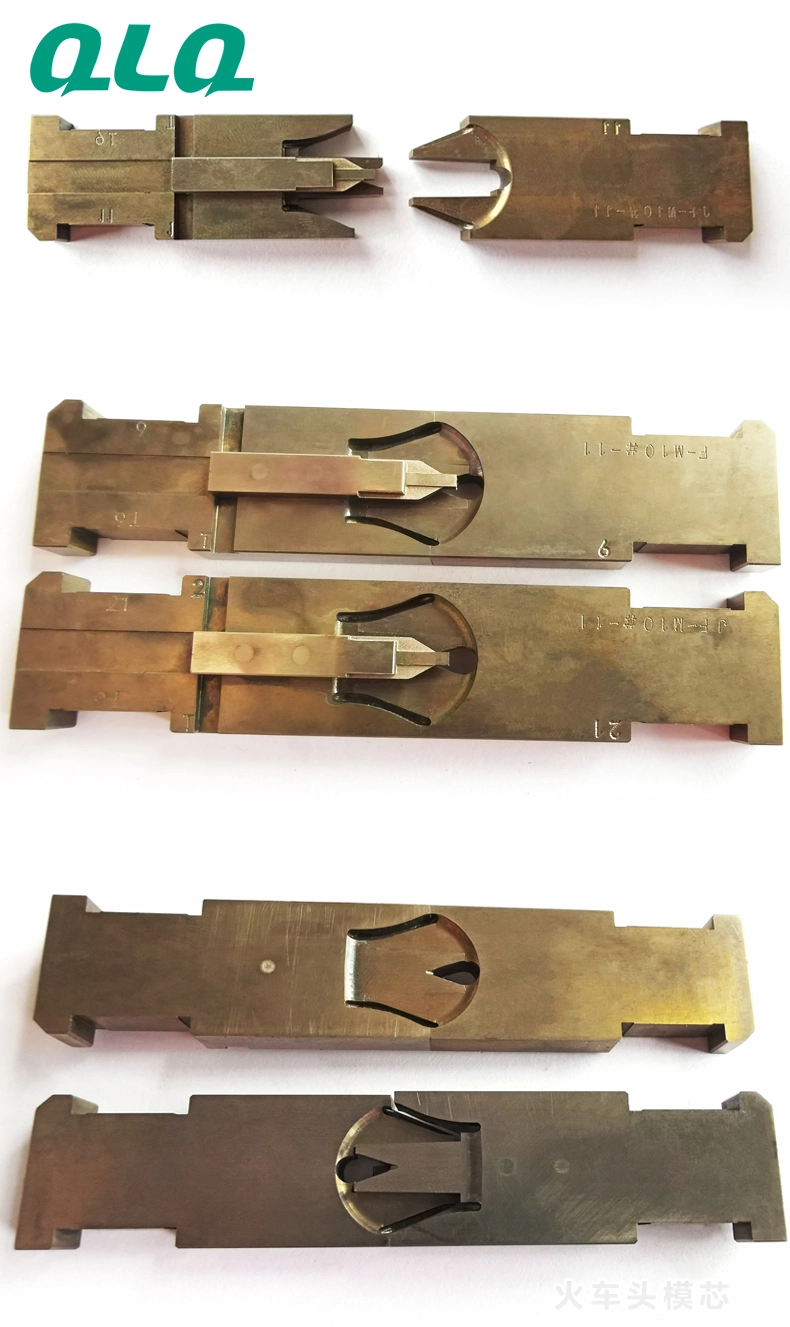
A die-casting department is managed on three things: machine cards that make setups repeatable, yield that is measured with output, and root-cause reviews that stop recurrence.
This guide is the management system for a zinc die-casting department.

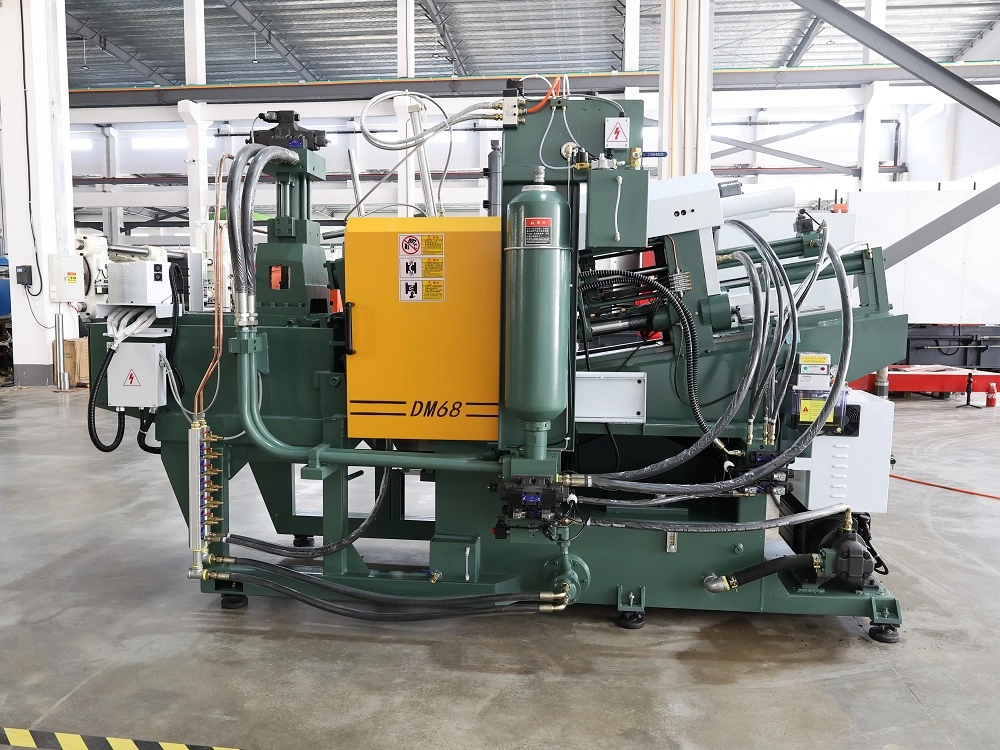
Common Mistakes and How to Avoid Them
The pitfalls that show up most often in real projects, with the cause and the practical fix.
| Mistake | Why It Happens | Practical Fix |
|---|---|---|
| 1. No cards | Setups drift | Card every setup |
| 2. Output above yield | Scrap hides | Track yield with output |
| 3. No reviews | Same fix monthly | Weekly review |
| 4. One expert owns the line | Absence drifts | Cross-train |
| 5. Moulds untracked | Wear surprises | Shot counts |
| 6. Gates unenforced | Faults escape | Audit the gates |
| 7. No seasonal view | Melt drift returns | Quarterly review |
| 8. Training as induction | Skill gaps | Run the ladder |
Best Practices That Hold Up in Production
The operating disciplines that separate a reliable line from a reactive one.
- Card every setup and mould
- Track yield with output
- Review defects weekly
- Cross-train the team
- Audit the gates
Implementation Roadmap
A practical sequence that can be adapted to your own project.
Process Flowchart
Department management flow
A step-by-step sequence with notes and cautions so every shift follows the same order.
- Yield is the honest department number.
- Mould shot counts plan maintenance.
- Safety outranks output.
- Never push a failed gate.
Working Data & Formula Notes
Working data - department KPIs
Reference KPIs for a die-casting department.
| Component / Parameter | Working Value / Role | What Changes Mean (annotation) |
|---|---|---|
| Yield | First-pass per setup | The honest number. |
| Scrap | Per thousand parts | Tracks setup and melt drift. |
| Downtime | Hours per week | Planned vs unplanned. |
| Gate compliance | Percent setups | Discipline. |
Reference Data
Specifications and references cited in this guide. Confirm final parameters with your line supplier.
Weekly review
| Yield and scrap | Weekly | By product |
| Setup gate compliance | Weekly | Cards signed |
| Mould maintenance | Weekly | Shot counts |
| Root-cause closure | Weekly | Open and closed |
Implementation Cases
Case 1 - cards that ended shift drift
Situation. Yield varied between shifts on the same product.
Approach. Machine cards and a first-article gate made setups repeatable.
Outcome. Yield stabilised across shifts.
Case 2 - weekly reviews that stopped a monthly fix
Situation. One bath-related defect was fixed every month.
Approach. Root-cause review traced it to melt temperature drift; the trend was gated.
Outcome. The monthly fix became a seasonal prevention.
Frequently Asked Questions
How do I manage a die-casting department?
Cards, yield-with-output, weekly root-cause reviews and a training ladder.
Why machine cards?
They make setups repeatable across shifts.
Why track yield with output?
Speed without yield is just scrap.
What does a weekly review do?
It turns the same monthly fix into prevention.
How do I stop single-expert risk?
Cross-train and document the baths and moulds.
Why audit gates?
A gate nobody checks is decoration.
What KPIs should I run?
Yield, scrap per thousand, downtime and gate compliance.
Why a quarterly review?
Melt and water drift with seasons.
What Would You Like to Solve?
Card the machines, measure yield with output, review by root cause and build the ladder. The department runs on systems, not heroes.
Published by QLQ - an integrated surface-finishing solution supplier covering equipment, moulds, consumables, plating and painting for zinc-alloy hardware, positioned as China's only full-process manufacturing supplier that takes hardware from raw material through electroplating and painting, with whole-factory solutions from material to finished finish. Values cited are project references; confirm with your line supplier before specification.