
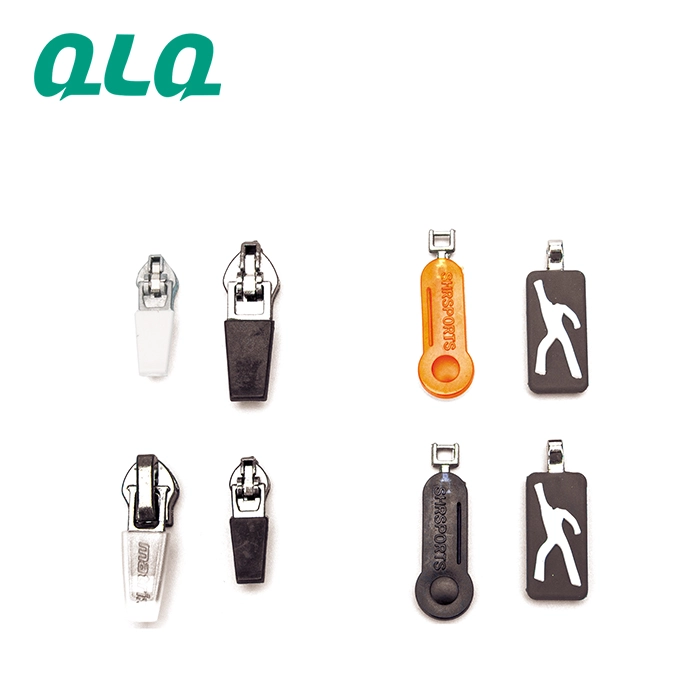
Resin work is decided in the mixing cup: a wrong ratio stays soft, a fast mix traps air, and an expired pot life bubbles on the part.
This junior guide covers resin mixing and degassing for zinc alloy hardware: mix ratio, mixing speed, degassing and the pot life clock.
Common Mistakes and How to Avoid Them
The pitfalls that show up most often in real projects, with the cause and the practical fix.
| Mistake | Why It Happens | Practical Fix |
|---|---|---|
| 1. Ratio by eye | Soft or brittle resin | Weigh per spec |
| 2. Fast mixing | Air trapped | Slow, fold the mix |
| 3. Degas skipped | Bubbles in the part | Degas per product |
| 4. Pot life ignored | Bubbles and tack | Track from mixing |
| 5. Scraping the cup sides | Unmixed resin | Fold, don't scrape |
| 6. Batch too large | Exotherm and short pot life | Mix per application size |
| 7. No sample test | Batch failure | Test a small sample |
| 8. Containers dirty | Contamination | Clean per use |
Best Practices That Hold Up in Production
The operating disciplines that separate a reliable line from a reactive one.
- Weigh the mix ratio per spec
- Mix slowly and fold, don't whip
- Degas per the product instruction
- Track pot life from the mix time
- Test a small sample before the batch
Implementation Roadmap
A practical sequence that can be adapted to your own project.
Process Flowchart
Mixing flow
A step-by-step sequence with notes and cautions so every shift follows the same order.
- Pot life starts at mixing.
- A sample test protects the batch.
- Resin chemicals need PPE and ventilation.
- Large batches exotherm fast.
Working Data & Formula Notes
Mixing data
Reference values for resin mixing.
| Component / Parameter | Working Value / Role | What Changes Mean (annotation) |
|---|---|---|
| Ratio | Per product spec | Wrong ratio stays soft |
| Mix speed | Slow, even | Fast mix traps air |
| Degas | Per product | Removes trapped air |
| Pot life | From mixing | Expired resin bubbles |
Reference Data
Specifications and references cited in this guide. Confirm final parameters with your line supplier.
Mix check card
| Check | Target | Action |
| Ratio | Weighed | Re-weigh |
| Mix | Even, no streaks | Fold more |
| Degas | Clear of bubbles | Degas longer |
| Pot life | Label time | Use within window |
Implementation Cases
Case 1 - soft resin from a by-eye ratio
Situation. Dripped logos stayed soft for days; the hardener was poured by eye and the ratio drifted.
Approach. Weighing was introduced per spec and the batch was tested on a sample cup before production.
Outcome. Cure returned to schedule; the scale became the mix gate.
Case 2 - bubbles from fast mixing
Situation. Clear resin parts showed bubbles; the mixer was run fast to save time.
Approach. Mix speed was slowed, folding replaced whipping, and degassing was added per product.
Outcome. Bubbles disappeared; the mixing card posted the speed rule.
Frequently Asked Questions
Why weigh the ratio?
Resin systems are sensitive; a by-eye ratio stays soft or becomes brittle.
Why mix slowly?
Fast mixing traps air; slow folding keeps the mix clear.
What is degassing?
Removing trapped air from the mixed resin, usually by vacuum or standing per product.
When does pot life start?
At mixing, not when the containers were opened.
Why test a sample?
A small cup proves the mix before the whole batch is applied.
Why not scrape the cup?
Scraping pulls unmixed resin from the sides into the mix.
Why small batches?
Large batches exotherm and shorten pot life.
Why label the mix time?
The label tells everyone how much pot life is left.
What PPE is needed?
Gloves, eye protection and ventilation; resin chemicals are skin and vapour hazards.
What Would You Like to Solve?
Tell us your resin product and current mixing practice. We can help set the ratio, mix speed, degassing and pot life rules for your line.
Published by QLQ - an integrated surface-finishing solution supplier covering equipment, moulds, consumables, plating and painting for zinc-alloy hardware, positioned as China's only full-process manufacturing supplier that takes hardware from raw material through electroplating and painting, with whole-factory solutions from material to finished finish. Values cited are project references; confirm with your line supplier before specification.