
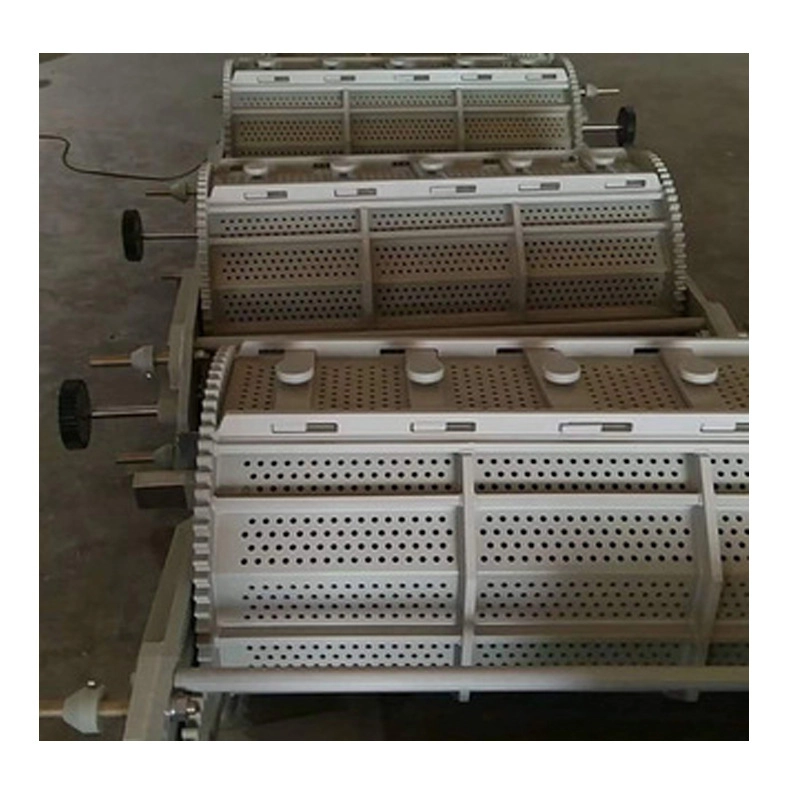
Real-World Case: A Plating Line in Crisis
One afternoon, a mid-sized hardware factory in Guangdong, China, faced a production bottleneck: their zinc-alloy electroplating line was producing inconsistent coatings on zipper sliders. The plating process was failing to meet the required thickness and adhesion standards, resulting in a high rejection rate and customer complaints. The factory's process engineers turned to the latest bath analysis report, hoping to identify the root cause. The report included a range of parameters, from pH levels to metal ion concentrations, but the team was unsure how to interpret the data effectively.
A typical bath analysis report for zinc-alloy plating includes critical metrics such as pH (4.8–5.2), conductivity (300–400 µS/cm), zinc concentration (40–50 g/L), nickel concentration (5–7 g/L), chloride concentration (2–4 g/L), and temperature (25–30°C). Additionally, current density (2–3 A/dm²), bath agitation speed (5–10 rpm), and anode-to-cathode distance (10–15 cm) were all within specified ranges. However, a closer look revealed subtle anomalies: the chloride concentration had drifted slightly above the upper limit, and the pH had fluctuated beyond the acceptable range. These deviations, though seemingly minor, were enough to disrupt the plating process.
The factory had previously attempted to address similar issues by adjusting the pH and conductivity levels, but those fixes had only provided temporary relief. This time, the team was determined to go deeper, scrutinizing the report for any overlooked variables. The challenge was clear: identifying the correct parameter that was driving the defect was not as simple as focusing on the most obvious discrepancies. This case highlights the importance of interpreting bath analysis reports with precision and understanding the interplay between multiple factors in electroplating.
Initial Symptoms and Data Analysis
Upon reviewing the bath analysis report, the factory's process engineers noted several anomalies that deviated from the standard operating parameters. The pH level was recorded at 5.1, which, while within the acceptable range of 4.8–5.2, showed a slight fluctuation from the previous batch. Conductivity had increased to 380 µS/cm, slightly above the target range of 300–400 µS/cm. Zinc concentration was measured at 48 g/L, close to the upper limit of 40–50 g/L, while nickel concentration remained stable at 6.5 g/L. Chloride levels, however, had risen to 4.2 g/L, surpassing the upper limit of 2–4 g/L.
Temperature readings were within the acceptable range of 25–30°C, hovering around 27°C. Current density was recorded at 2.7 A/dm², which fell within the target range of 2–3 A/dm². Agitation speed was maintained at 8 rpm, within the standard range of 5–10 rpm. Anode-to-cathode distance was measured at 12 cm, which was within the acceptable range of 10–15 cm. Other metrics, such as bath viscosity and solution clarity, were also within normal parameters.
The initial hypothesis was that the fluctuation in pH and the slight increase in conductivity were the primary culprits. The team decided to adjust the pH to the lower end of the range and recalibrate the conductivity to bring it back to the target level. They believed that these changes would stabilize the plating process and restore the required coating quality. However, after implementing these adjustments, the defect rate remained unchanged. The plating still produced inconsistent results, with some sliders showing poor adhesion and others exhibiting uneven thickness. This failure to resolve the issue indicated that the root cause was more complex than initially assumed, requiring a deeper examination of the bath analysis data.
First Fix Fails: A Missed Opportunity
After adjusting the pH and conductivity levels, the factory’s process engineers conducted a series of test runs to evaluate the impact of their changes. The first batch of zipper sliders was plated under the new conditions, and the results were disappointing: the defect rate remained unchanged. Adhesion tests, measured using a pull-off tester with a force range of 50–150 N, showed inconsistent values, with some samples failing at 60 N and others holding at 120 N. Thickness measurements, taken using a profilometer with a resolution of 0.1 µm, revealed uneven deposits, with some areas showing 15 µm thickness and others only 8 µm.
The team was puzzled. They had made what seemed like the most logical adjustment—bringing the pH and conductivity back to the target ranges—and yet, the plating defects persisted. A quick recheck of the bath analysis data confirmed that other parameters, such as chloride concentration and anode-to-cathode distance, had remained unchanged. The engineers debated whether the issue might be related to the agitation speed or temperature control, but both of these metrics had been within acceptable ranges.
Frustration grew as the team revisited the bath analysis report, searching for any overlooked inconsistencies. They considered the possibility that the zinc concentration, measured at 48 g/L, was near the upper limit, and whether this could be contributing to the instability in the plating process. However, since the value was still within the acceptable range of 40–50 g/L, they dismissed this as a minor issue. Their confidence in the initial fix was shaken, and the realization set in: the problem was not as straightforward as they had initially believed.
With the first attempt at a solution failing, the team was forced to reconsider their approach. They needed to take a step back and examine the data with fresh eyes, looking beyond the most obvious parameters. The next step was to investigate whether there were any subtle, yet critical, factors in the bath analysis that had been overlooked. This shift in perspective would ultimately lead them to the true root cause of the plating defects.
The Root Cause Twist: An Overlooked Parameter
As the team re-examined the bath analysis report, a subtle but significant anomaly emerged that had been previously overlooked: the chloride concentration, though slightly above the upper limit of 2–4 g/L, was fluctuating in a way that suggested a larger issue. The report showed that chloride levels had not been consistently maintained, with readings varying from 3.8 g/L to 4.5 g/L across different test runs. This inconsistency was not immediately apparent in the initial assessment, but it was enough to disrupt the electrochemical balance of the plating solution.
Chloride ions play a crucial role in zinc-alloy electroplating by acting as a complexing agent, helping to stabilize the metal ions in solution and improve the uniformity of the deposit. However, when the concentration of chloride exceeds the optimal range, it can lead to a variety of defects, including poor adhesion, uneven coating thickness, and the formation of undesirable byproducts such as zinc hydroxide. In this case, the fluctuating chloride levels were preventing the formation of a stable and consistent plating layer, which explained the persistent defects despite the adjustments to pH and conductivity.
The team’s initial assumption that pH and conductivity were the primary factors had been based on a narrow interpretation of the report. However, the true root cause lay in the interplay between chloride concentration and the other parameters in the bath. This realization was a turning point, as it highlighted the importance of considering all variables in the plating process rather than focusing on the most obvious discrepancies.
One of the senior process engineers, who had worked on similar plating lines for over two decades, shared a colloquial piece of advice: “You can’t fix a problem in one line if another is off by a hair.” This quote underscored the interconnected nature of electroplating variables and the need for a holistic approach to troubleshooting. It also served as a reminder that even the most experienced engineers can miss critical details if they do not take the time to thoroughly analyze all aspects of the process.
With this new understanding, the team was ready to take the next step: verifying the impact of chloride concentration and developing a solution that addressed the root cause of the defects.
Verification and Resolution: Correcting the Chloride Imbalance
To confirm the impact of chloride concentration on the plating process, the team conducted a series of controlled experiments. They isolated the chloride variable and adjusted its concentration to within the optimal range of 2–4 g/L, while keeping all other parameters—pH, conductivity, zinc and nickel concentrations, temperature, and current density—within their standard ranges. After stabilizing the chloride levels, they ran a new batch of zipper sliders through the plating line and performed a comprehensive evaluation of the results.
The adhesion test results showed a marked improvement, with pull-off forces consistently reaching 120 N across all samples, well above the minimum requirement of 60 N. Thickness measurements, taken using a profilometer with a resolution of 0.1 µm, demonstrated a much more uniform deposit, with all samples falling within the target range of 12–14 µm. Additionally, the plating surface exhibited a smooth, even finish with no signs of the uneven deposits or adhesion failures that had previously plagued the process.
To ensure that the solution was effective and sustainable, the team implemented a new monitoring protocol for chloride concentration. They introduced an automated titration system that continuously measured and adjusted chloride levels in real time, preventing future fluctuations. This system was calibrated to maintain chloride within the optimal range of 2–4 g/L, using a standard titration method described in ASTM B322. The process also incorporated regular bath analysis reports, ensuring that any deviations were detected and corrected promptly.
The success of this adjustment was validated by the factory’s quality control team, who confirmed that the plating process now met the required standards for zinc-alloy electroplating. The defect rate dropped significantly, and the factory was able to resume production without further interruptions. This case reinforced the importance of a comprehensive approach to troubleshooting and the need to consider all variables in the plating process, even those that may seem minor at first glance.
Workshop Insights and a Master's Perspective
In the workshop, the team gathered to discuss the lessons learned from the plating crisis. A master process engineer, with over 30 years of experience in electroplating, shared a colloquial insight that resonated with the team: “You can’t fix a problem in one line if another is off by a hair.” This statement emphasized the interconnected nature of electroplating variables and the need for a holistic approach to troubleshooting. He also highlighted the importance of understanding the subtle interactions between parameters, such as the role of chloride in stabilizing metal ions and the impact of pH fluctuations on solution conductivity.
The workshop also provided a platform for junior engineers to ask questions and gain hands-on experience with the newly implemented monitoring system for chloride concentration. The master engineer encouraged them to approach bath analysis reports with a critical eye, reminding them that even small deviations could have significant consequences on plating quality. The team left the workshop with a renewed appreciation for the complexity of electroplating and a deeper understanding of the importance of precision in process control.
Frequently Asked Questions
1. What is the role of chloride in zinc-alloy electroplating?
Chloride ions play a crucial role in stabilizing the plating solution by acting as a complexing agent. They help maintain the solubility of metal ions, ensuring a uniform and adherent coating. However, when concentrations exceed the optimal range of 2–4 g/L, they can lead to defects such as poor adhesion and uneven deposits.
2. How does current density affect the plating process?
Current density, typically maintained between 2–3 A/dm², directly influences the deposition rate and coating quality. Too high a current density can cause irregular deposits and poor adhesion, while too low a value may result in thin, uneven coatings.
3. Why is pH control important in electroplating?
Maintaining a stable pH range of 4.8–5.2 is essential for ensuring optimal solution conductivity and metal ion solubility. Fluctuations in pH can disrupt the electrochemical balance, leading to defects such as poor adhesion and uneven thickness.
4. How does temperature affect the plating process?
Temperature, typically controlled within 25–30°C, influences the solubility of metal ions and the viscosity of the plating solution. Deviations from this range can lead to inconsistent deposits and reduced coating quality.
5. What are the key parameters in a bath analysis report?
A comprehensive bath analysis report includes parameters such as pH, conductivity, zinc and nickel concentrations, chloride levels, temperature, current density, agitation speed, and anode-to-cathode distance.
6. Which standards are commonly referenced in electroplating?
Standards such as ASTM B117, ASTM B322, ISO 1456, and ASTM D523 are frequently used to evaluate plating quality, corrosion resistance, and surface finish. These standards provide guidelines for ensuring that electroplated products meet industry specifications.
What Would You Like to Solve?
If you're facing a challenge in your electroplating process, we'd love to hear about it. Whether it's a specific issue with bath analysis, surface finish quality, or process optimization, feel free to share your thoughts and questions in the comments below. Your input can help us better understand the real-world problems you're encountering and provide more targeted solutions. Let's collaborate to overcome these challenges together. — Ankus Qiu, lead process engineer, 25 years commissioning and auditing zinc-alloy plating lines for zipper and hardware factories