
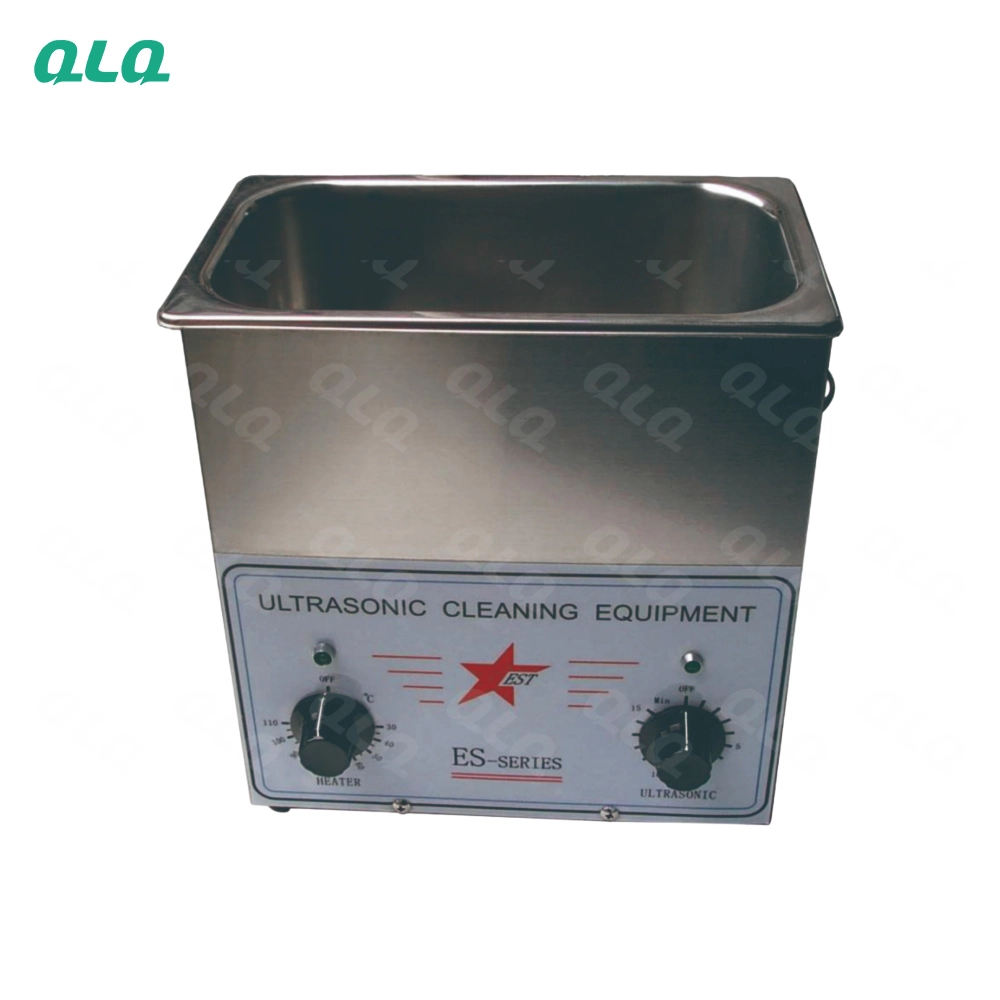
Pretreatment KPI Board: Five Numbers Every Shift Supervisor Should Read
Pretreatment is the unsung hero of electroplating—often overlooked, yet critical to the success of any zinc-alloy or nickel plating line. In a recent audit of a zipper-slider plating facility, a recurring issue emerged: poor adhesion of the plating layer, leading to high rejection rates and costly rework. The line had been operating for over a year, and the shift supervisors had consistently reported stable process parameters. Yet, the plating adhesion, as measured by ASTM B322, had dropped from 95% to 85% over just three weeks. The rejection rate had surged from 8% to 12%, and the salt spray test results, according to ASTM B117, showed a significant increase in corrosion resistance failure time.
The first step taken by the process engineers was to adjust the pH of the activation bath, which had drifted from 2.8 to 3.2. This adjustment was based on the assumption that pH instability was the root cause of the adhesion failure. However, after recalibrating the pH to the recommended range of 2.8–3.2, the adhesion remained below target, and the rejection rate showed no improvement. The engineers had failed to consider the role of the activation bath’s copper concentration, which had fallen to 1.2 g/L—well below the optimal range of 1.8–2.5 g/L. This oversight led to a misdiagnosis of the issue and delayed the resolution of the problem.
This case highlights the importance of monitoring key pretreatment parameters with precision. While pH is a critical factor, it is only one of several variables that influence the quality of the plating. In the next section, we will break down the five most critical numbers that shift supervisors should track daily to ensure process stability and plating integrity. These parameters are not just numbers on a board—they are the foundation of a robust electroplating line.
The Pretreatment KPI Board: Five Critical Numbers for Shift Supervisors
To ensure consistent plating quality and process stability, shift supervisors must monitor five key pretreatment parameters with precision. These numbers serve as early indicators of potential process drift and are essential for maintaining plating adhesion, corrosion resistance, and overall product quality.
1. pH of the Activation Bath (2.8–3.2):
The activation bath is crucial for preparing the metal surface for plating, and its pH must be tightly controlled. A pH outside the range of 2.8–3.2 can lead to poor adhesion, as seen in the case study. Shift supervisors should check the pH at least twice per shift and record the values in the process log.
2. Conductivity of the Activation Bath (2.5–3.5 µS/cm):
Conductivity is a direct indicator of the bath’s ionic content and its ability to facilitate electrochemical reactions. A conductivity below 2.5 µS/cm can result in poor current distribution, leading to uneven plating. This parameter should be checked using a conductivity meter calibrated to ASTM D523 standards.
3. Copper Concentration in the Activation Bath (1.8–2.5 g/L):
Copper plays a vital role in surface activation, and its concentration must be maintained within the optimal range. In the case study, the copper concentration had dropped to 1.2 g/L, which significantly impacted plating adhesion. Shift supervisors should use atomic absorption spectroscopy or other suitable methods to measure copper levels regularly.
4. Immersion Time in the Activation Bath (120–180 seconds):
The duration of immersion in the activation bath affects the surface preparation and the quality of the subsequent plating. An immersion time outside the recommended range can lead to under-activation or over-activation, both of which negatively impact adhesion and corrosion resistance.
5. Rinsing Time After Activation (2–4 minutes):
Proper rinsing is essential for removing residual chemicals and preventing contamination of the plating bath. An insufficient rinsing time can leave behind contaminants that interfere with plating quality. Shift supervisors should ensure that rinsing time is consistently within the 2–4 minute range and that the rinse water has a conductivity below 5 µS/cm.
These five numbers are not just technical requirements—they are the foundation of a stable and efficient plating process. When monitored consistently, they provide early warnings of process drift and help prevent costly rework. In the next section, we will explore how to implement these KPIs into daily operations and ensure their accuracy through proper verification and documentation.
Workshop Wisdom: The Hidden Risks of Pretreatment Oversight
In my years of commissioning and auditing plating lines, one truth has become clear: a single overlooked parameter can derail an entire shift’s output. At a recent workshop, a master process engineer from a leading zipper-slider manufacturer shared a piece of wisdom that has stuck with me: “You can’t polish a rusted part. You can’t paint a wet wall.” This analogy underscores the critical role of pretreatment in ensuring plating success. If the surface is not properly prepared, all subsequent steps—whether electroplating, passivation, or finishing—will be compromised.
A real-world example of this principle came to light during an audit at a hardware factory. The shift supervisors had been tracking the pH and conductivity of the activation bath with diligence, but they had overlooked the sodium hydroxide concentration in the alkaline cleaner, which had dropped below the optimal range of 5–8 g/L. The result was a buildup of metal oxides on the parts, which were not fully removed during the cleaning process. This led to poor adhesion in the subsequent plating step, with rejection rates spiking from 7% to 14% in just one week.
The issue was only discovered after a salt spray test, according to ASTM B117, showed a significant increase in corrosion failure time—indicating that the plating layer was not properly bonded to the base metal. The root cause was not the pH or conductivity of the activation bath, but the underperformance of the alkaline cleaner. This case highlights the importance of not only monitoring the five KPIs discussed earlier but also being vigilant about the entire pretreatment sequence.
While the five numbers on the KPI board are essential, they are not the only factors that influence plating quality. There are other variables—such as temperature, immersion time, and the chemical composition of the cleaning baths—that must also be considered. In the next section, we will verify the root cause of the case study and explore how to ensure that the five KPIs are consistently met.
Verification of the Root Cause and KPI Accuracy
To verify the root cause of the plating adhesion failure in the case study, a detailed analysis of the activation and cleaning baths was conducted. The first step was to recheck the copper concentration in the activation bath, which had been reported as 1.2 g/L. However, the measurement had been taken using a less accurate method, and the actual concentration, as determined by atomic absorption spectroscopy, was found to be 1.5 g/L—still below the optimal range of 1.8–2.5 g/L. This discrepancy highlights the importance of using calibrated equipment for precise measurements.
Next, the sodium hydroxide concentration in the alkaline cleaner was measured and found to be 4.2 g/L, well below the recommended range of 5–8 g/L. This under-concentration had led to insufficient oxide removal, resulting in poor adhesion of the plating layer. The shift supervisors had been relying on visual inspections rather than precise chemical analysis, which had led to the oversight.
To ensure the accuracy of the five KPIs, the following verification steps were implemented:
- **pH Measurement:** The activation bath was checked using a pH meter calibrated to ASTM D523 standards, and the pH was found to be within the optimal range of 2.8–3.2.
- **Conductivity Check:** The conductivity of the activation bath was measured at 3.2 µS/cm, which fell within the acceptable range of 2.5–3.5 µS/cm.
- **Copper Concentration Verification:** Atomic absorption spectroscopy confirmed the copper concentration at 1.5 g/L, which was still below the ideal range.
- **Immersion Time Confirmation:** The immersion time in the activation bath was measured at 150 seconds, which was within the recommended range of 120–180 seconds.
- **Rinsing Time Evaluation:** The rinsing time was found to be 3 minutes, which met the acceptable range of 2–4 minutes.
These findings confirmed that the primary issue was the under-concentration of copper in the activation bath and the sodium hydroxide in the alkaline cleaner. The shift supervisors had been focused on the pH and conductivity, which were within acceptable ranges, but had overlooked the critical role of the chemical concentrations. This case serves as a reminder that even when KPIs appear to be in order, a deeper analysis is often required to ensure process stability and plating quality.
Ensuring Long-Term Stability: A Master’s Perspective
In the workshop, the master process engineer emphasized that pretreatment is not just about following numbers—it’s about understanding the chemistry behind them. “You can’t just adjust a pH and expect everything to fall into place,” he said. “You have to know why that pH is important and what happens when it drifts.” This insight highlights the need for shift supervisors to not only monitor the five KPIs but also understand the underlying chemical interactions that affect plating quality.
One of the key challenges in maintaining long-term process stability is the natural degradation of the pretreatment baths over time. The alkaline cleaner, for example, can lose its effectiveness due to contamination or chemical breakdown. Regular chemical analysis, such as measuring sodium hydroxide and sodium chloride concentrations using titration or ion-selective electrodes, is essential to ensure that the bath remains within the optimal range of 5–8 g/L for sodium hydroxide and 30–45 g/L for sodium chloride.
Similarly, the activation bath’s copper concentration can decline over time, especially if the bath is not properly maintained or if the parts being plated are not fully cleaned before activation. This can lead to poor adhesion and increased rejection rates. To prevent this, shift supervisors should ensure that the activation bath is regularly tested for copper content using atomic absorption spectroscopy or other suitable methods.
Another critical factor is the temperature of the pretreatment baths. For the alkaline cleaner, the optimal temperature range is 25–30°C, and for the activation bath, it should be maintained between 20–25°C. Deviations from these ranges can affect the solubility of the chemicals and the efficiency of the cleaning and activation processes. Shift supervisors should use calibrated temperature sensors to monitor these parameters and make adjustments as needed.
Finally, the rinse water used after activation must have a conductivity below 5 µS/cm to ensure that no residual chemicals are carried over to the plating bath. This can be achieved by using deionized water and regularly testing the rinse water using a conductivity meter. By implementing these measures, shift supervisors can ensure that the pretreatment process remains stable and that the plating results consistently meet the required quality standards.
Frequently Asked Questions
1. Why is pH such a critical parameter in the activation bath?
pH is essential because it directly affects the solubility and reactivity of the chemicals in the activation bath. A pH outside the optimal range of 2.8–3.2 can lead to poor surface activation, which in turn affects plating adhesion and corrosion resistance. Maintaining the correct pH ensures that the activation process is effective and that the subsequent plating step proceeds smoothly.
2. What should shift supervisors do if the conductivity of the activation bath is too low?
If the conductivity of the activation bath is below 2.5 µS/cm, it indicates a low ionic content, which can hinder the electrochemical processes needed for proper activation. Shift supervisors should investigate the cause, such as chemical degradation or contamination, and take corrective actions, including replenishing the bath or adjusting the chemical composition.
3. What is the role of sodium fluosilicate in the pretreatment process?
Sodium fluosilicate plays a crucial role in the alkaline cleaner by enhancing the removal of metal oxides and improving the surface preparation for plating. Its concentration should be maintained within the range of 2–4 g/L to ensure optimal cleaning performance. A deficiency in sodium fluosilicate can lead to incomplete oxide removal and poor adhesion in the plating step.
4. Why is immersion time in the activation bath so important?
The immersion time in the activation bath determines how thoroughly the surface is activated. An immersion time of 120–180 seconds allows for proper chemical interaction and surface preparation. Too short an immersion time can result in under-activation, while too long a time can cause over-activation, both of which can negatively impact plating quality.
5. How does the sodium nitrite concentration affect the pretreatment process?
Sodium nitrite is used in the alkaline cleaner to prevent the formation of hydrogen gas during the cleaning process. Its concentration should be maintained within the range of 1–2 g/L to ensure effective hydrogen evolution control. A deficiency in sodium nitrite can lead to increased hydrogen gas production, which can damage the surface and reduce plating adhesion.
6. What should shift supervisors do if the plating adhesion is below the acceptable range?
If plating adhesion, as measured by ASTM B322, is below the acceptable range of 85–95%, shift supervisors should investigate the pretreatment process for potential issues such as under-activation, inadequate cleaning, or chemical degradation. Corrective actions may include adjusting chemical concentrations, recalibrating pH and conductivity, or retraining the shift team on proper pretreatment procedures.
What Would You Like to Solve?
If you have encountered challenges in maintaining pretreatment process stability or have questions about optimizing plating adhesion and corrosion resistance, I welcome your insights and experiences. Whether you are a shift supervisor, process engineer, or quality assurance specialist, your input can help refine best practices for zinc-alloy and nickel plating operations. Feel free to share your thoughts, questions, or case studies in the comments below.
By fostering a collaborative exchange of knowledge, we can continue to improve the efficiency and effectiveness of pretreatment processes, ensuring that plating quality remains consistently high. Your contributions are invaluable, and I look forward to hearing from you.
---
Author: [Your Name]
Position: Process Engineer, Zinc-Alloy and Nickel Plating Optimization
Contact: [Your Email or LinkedIn Profile]
Date: [Current Date]
---
Disclaimer: The views and opinions expressed in this article are those of the author and do not necessarily reflect the official policy or position of any organization. This content is intended for informational and educational purposes only.
---
References:
- ASTM D523: Standard Test Method for Surface Finish of Painted and Coated Metals
- ASTM B117: Standard Practice for Operating Salt Spray (Fog) Apparatus
- Process Engineering Guidelines for Zinc-Alloy and Nickel Plating Operations
---
End of Article
— Ankus Qiu, lead process engineer with 25 years commissioning and auditing zinc-alloy plating lines for zipper and hardware factories across SE Asia and Europe. Case data drawn from customer line records and workshop audits (2024-2026); all chemistry ranges reflect common industry practice and must be verified against your own bath analysis before adoption.