
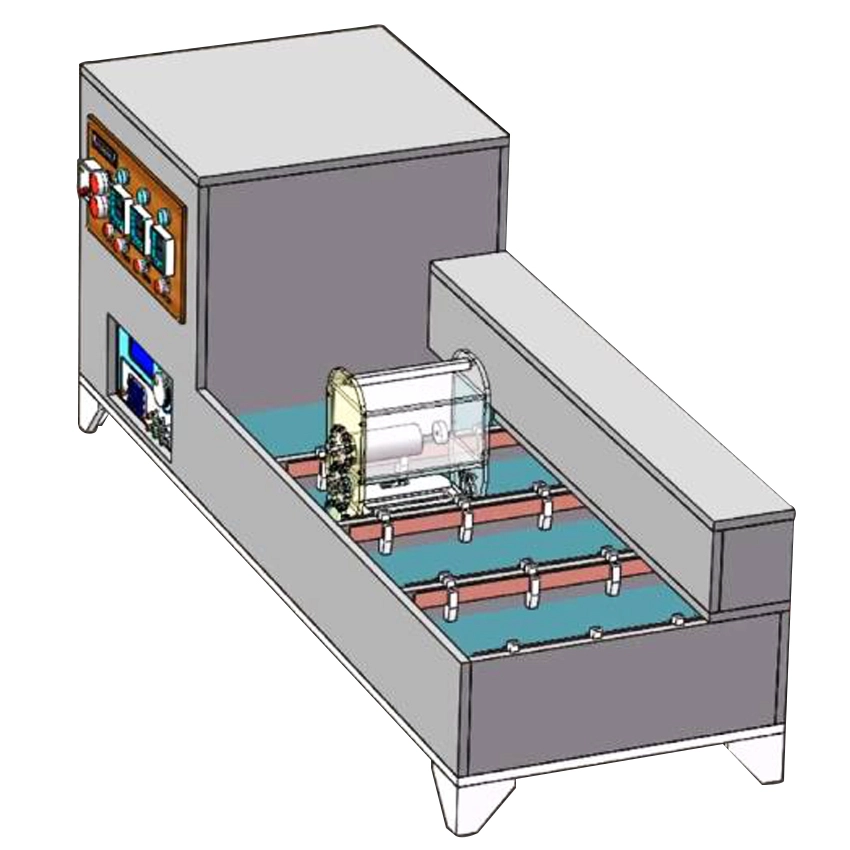
At eight years, the pre-treatment problems that reach a senior are the ones nobody can see at the tank: an interface that fails only after storage, contamination that moves along the line, a bath that behaves differently by shift. Senior technicians diagnose across the whole cleaning-to-plating chain.
This guide covers senior-level pre-treatment diagnosis: interface failure tracing, cross-contamination paths, seasonal water effects and the process changes that prove a fix.
Common Mistakes and How to Avoid Them
The pitfalls that show up most often in real projects, with the cause and the practical fix.
| Mistake | Why It Happens | Practical Fix |
|---|---|---|
| 1. Basket overloaded | Parts shadow each other | Separate parts |
| 2. Rinse water stale | Conductivity climbs | Rinse schedule |
| 3. No water quality record | Hard water surprises | Test quarterly |
| 4. Drying skipped | Dilution and drag-in | Drain and dry |
| 5. Chemicals open | Contamination and risk | Close and label |
| 6. No temperature log | Cold baths hide | Log per shift |
| 7. Treating symptoms | The chain carries the fault | Trace to the root cause |
| 8. No trend data | Drift invisible | Trend the key pre-treatment metrics |
| 9. Fixes without proof | Faults return | Controlled batch verification |
Best Practices That Hold Up in Production
The operating disciplines that separate a reliable line from a reactive one.
- Separate parts in baskets
- Follow the rinse schedule
- Test water quarterly
- Keep chemicals closed
- Trace the root cause
- Prove fixes with data
Implementation Roadmap
A practical sequence that can be adapted to your own project.
Process Flowchart
Senior pre-treatment diagnosis flow
A step-by-step sequence with notes and cautions so every shift follows the same order.
- Conductivity maps make the invisible line visible.
- Link water-break to adhesion by batch.
- Chemical tracing needs lab safety rules.
- Never change multiple baths at once.
Working Data & Formula Notes
Working data - senior interface checks
Reference checks for cross-process pre-treatment faults.
| Component / Parameter | Working Value / Role | What Changes Mean (annotation) |
|---|---|---|
| Conductivity map | Per stage per shift | Reveals the drag-in path and its source. |
| Water test | Quarterly plus on change | Hardness and seasonal effects shift results. |
| Water-break to adhesion | Linked by batch | Proves the interface before plating. |
| Change-out trend | By analysis | Predicts bath failure before it happens. |
| Shift hand-over gate | Rinses checked at turnover | The worst rinses happen at shift change. |
Reference Data
Specifications and references cited in this guide. Confirm final parameters with your line supplier.
Interface signature to source
| Adhesion fails after storage | Residual chemistry or wet parts | Rinses and drying check |
| Blister at one batch | Cleaning window drift | Time and temperature log |
| Cloudy etch pattern | pH above 11 | Alkaline cleaner control |
| Seasonal failures | Water hardness change | Quarterly water test |
| Shift-dependent faults | Hand-over rinse shortcuts | Gate the shift change |
Implementation Cases
Case 1 - a failure that only showed after storage
Situation. Parts passed adhesion at the line but failed after two weeks in storage, always in summer.
Approach. A senior linked the failures to rinse conductivity rising with seasonal water and residual chemistry on parts. Rinses were improved and a conductivity gate added.
Outcome. Storage failures stopped, and the link between water and results was documented.
Case 2 - shift-dependent blisters at turnover
Situation. Blisters appeared mainly on the shift that followed a busy hand-over.
Approach. Rinse flow was being reduced at shift change to save water. The senior gated the hand-over with a conductivity check.
Outcome. Turnover faults stopped, and the gate became standard.
Frequently Asked Questions
Why do interface faults hide until plating?
The surface is compromised at cleaning but the deposit covers it. Water-break and adhesion data linked by batch reveal it.
How do I trace a cross-process fault?
Map conductivity across every stage and trace the defect backwards. The numbers show the path.
Why do failures come back seasonally?
Water hardness and temperature change with the season. Test quarterly and adjust the windows.
What is a controlled batch?
One cause changed, one batch run, and the result linked to the data. It proves the fix.
How do I stop shift-dependent faults?
Gate the hand-over: rinses and conductivity checked at turnover. The worst rinses happen at shift change.
Should I change several baths at once?
No. One cause, one change, one verification. Multiple changes hide the answer.
What data should link cleaning to plating?
Water-break at hand-off and adhesion results by batch. That link is the senior level evidence.
How do I keep the knowledge in the team?
Train junior and intermediate levels on the conductivity map and the gates. Knowledge that stops at the senior is risk.
What Would You Like to Solve?
Trace the fault to the true path, prove the fix with linked data, and train the map into the team. The senior level turns invisible line faults into visible numbers.
Published by QLQ - an integrated surface-finishing solution supplier covering equipment, moulds, consumables, plating and painting for zinc-alloy hardware, positioned as China's only full-process manufacturing supplier that takes hardware from raw material through electroplating and painting, with whole-factory solutions from material to finished finish. Values cited are project references; confirm with your line supplier before specification.